

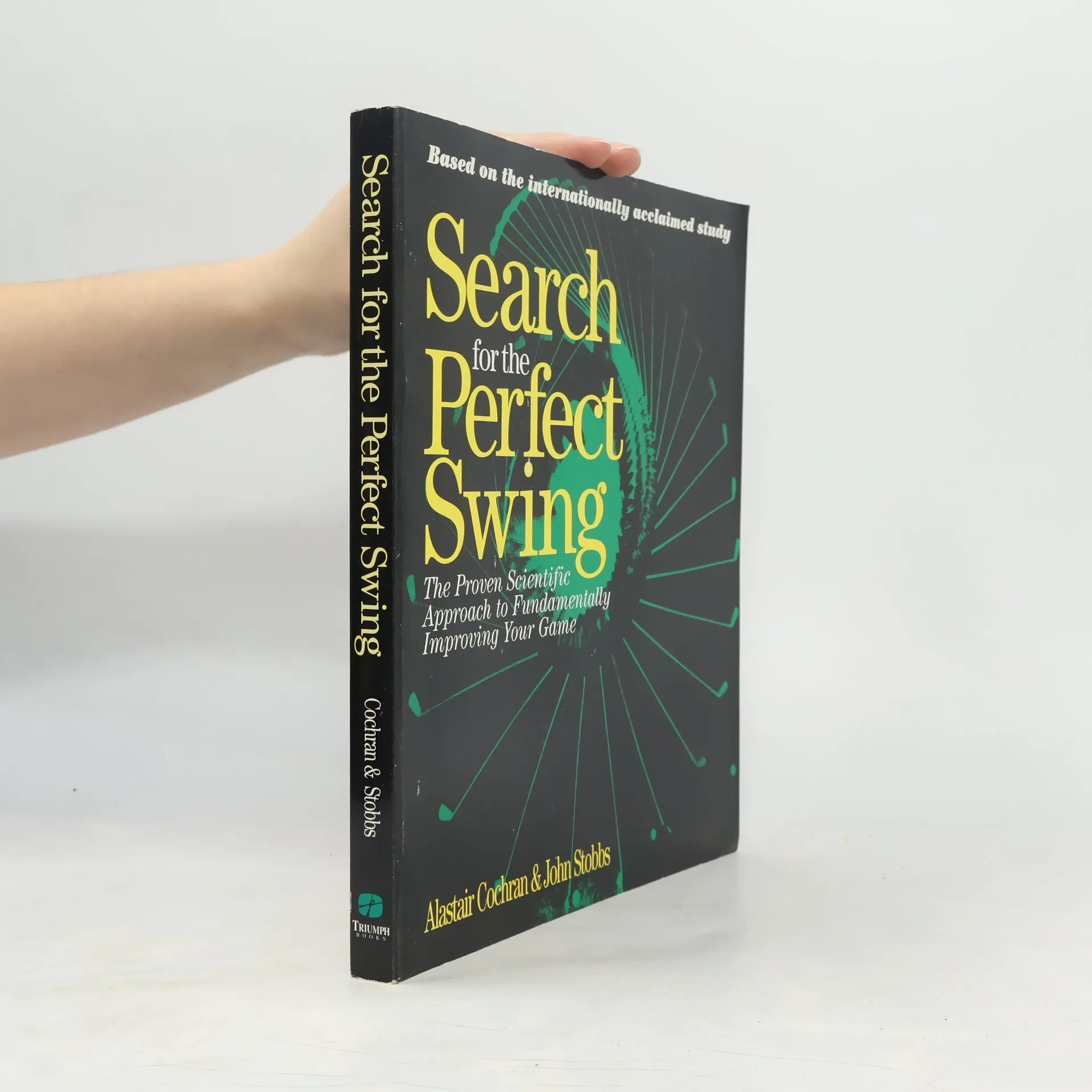
Search for the Perfect Swing
The Proven Scientific Approach to Fundamentally Improving Your Game
Mehr zum Buch
This new translation of Laozi's Daodejing (Tao Te Ching) attempts to present a fairly literal rendering of the ancient Classical Chinese text. The version of the Daodejing used here is the standard "received" text included in the young scholar Wang Bi's third century commentary. The entire Classical Chinese text is presented line by line, from right to left, on pages facing the lines of English translation. This translation differs from the dozens of previous translations (and hundreds of adaptations) in that it does not project later cultural or religious beliefs back onto the text. Instead, it includes only the earlier cultural and religious beliefs that Laozi and his contemporaries would have been familiar with. The Daodejing was originally compiled over 2500 years ago in what is now northwestern central China. The book's 81 poems offer glimpses into the beliefs and customs of ancient feudal China during the Warring States Period. According to legend, Laozi served as chief astrologer and archivist in the royal household of the Zhou kings. Disheartened by the ongoing wars of attrition being waged among the many warring kingdoms, his poems look back to an earlier, more peaceful Golden Age that existed before man's ingenuity enabled him to invent the many tools and weapons then used to attack all under Heaven. Almost all of the book's poems are concerned with the mystical life force Laozi calls the "Way" or a related, resonating inner force he calls "Virtue." The poems have a personal tone to them, as if they might originally have been fragments of conversations. They play out like a long monologue delivered by Laozi as he and the reader make their way along a road winding through the ancient estates and villages nestled in the valleys below the steep terraced foothills of the western highlands. The poems touch on many of the concerns of the day: There are myriad universal gods to be honored, and spirits in nature to be considered. There are the friendly spirits of ancestors to be cared for, and the unfriendly ghosts of ancestors to be avoided. There are farmers, craftsman, soldiers, and aristocrats to be dealt with, and robbers, madmen, and itinerant philosophers to be on the alert for. There are treaties to be made, and battles to be fought. Laozi good-naturedly instructs the reader on how the Way gives rise to Heaven, Earth, mankind, and the "ten thousand things." Through the poems, he attempts to describe the indescribable: the Way's mysterious action-without-action and its effect on those who trust in it enough to let it guide their lives.
Buchkauf
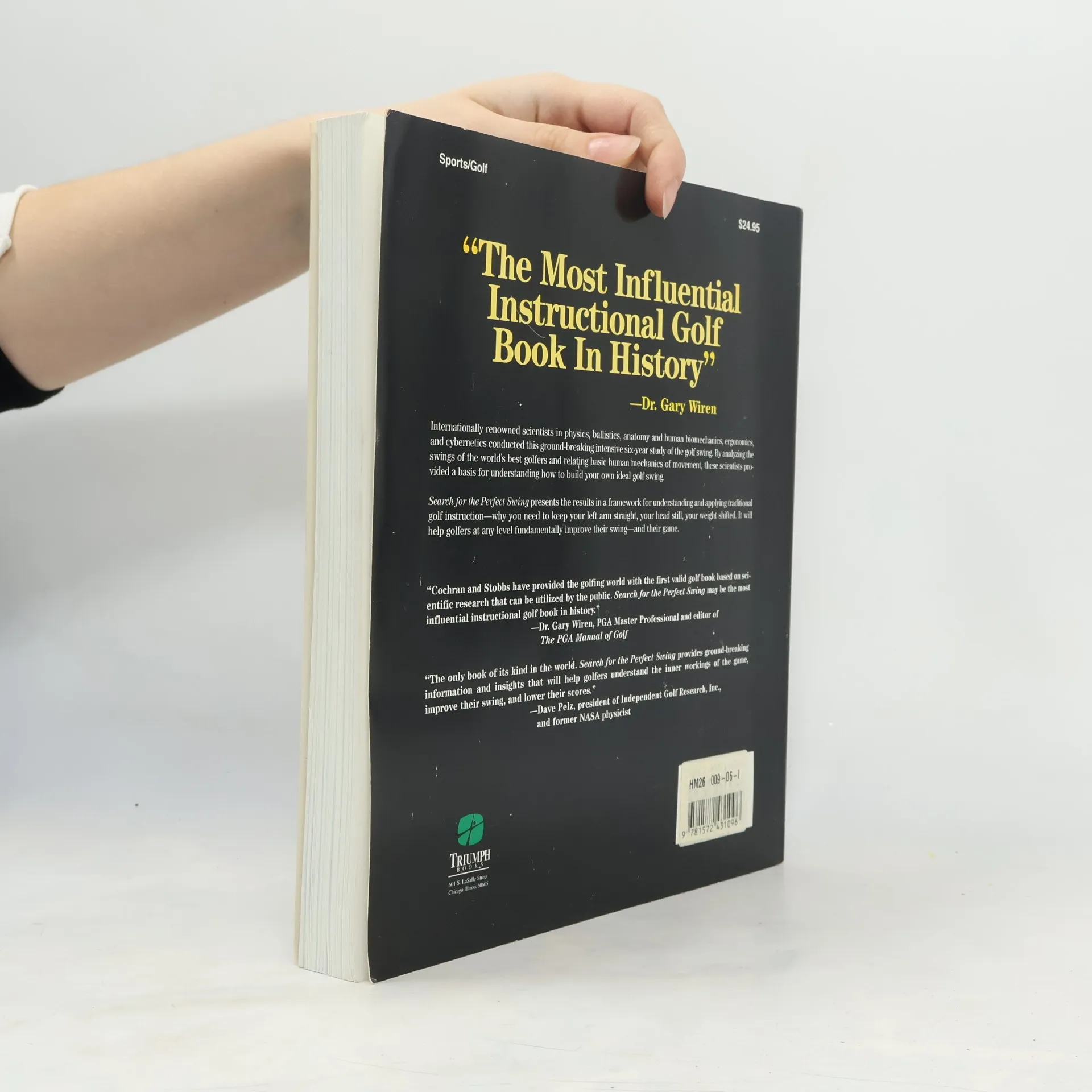
Search for the Perfect Swing, Alastair J. Cochran, John Stobbs, Golf Society of Great Britain
- Sprache

- Erscheinungsdatum
- 1996
- Einband
- (Paperback),
- Buchzustand
- Gebraucht - Gut
- Preis
- € 20,49
Keiner hat bisher bewertet.
- Titel
- Search for the Perfect Swing
- Untertitel
- The Proven Scientific Approach to Fundamentally Improving Your Game
- Sprache
- Englisch
- Autor*innen
- Alastair J. Cochran, John Stobbs, Golf Society of Great Britain
- Verlag
- Triumph Books
- Erscheinungsdatum
- 1996
- Einband
- Paperback
- Seitenzahl
- 242
- ISBN10
- 1572431091
- ISBN13
- 9781572431096
- Reihe
- Kategorien
- Beschreibung
- This new translation of Laozi's Daodejing (Tao Te Ching) attempts to present a fairly literal rendering of the ancient Classical Chinese text. The version of the Daodejing used here is the standard "received" text included in the young scholar Wang Bi's third century commentary. The entire Classical Chinese text is presented line by line, from right to left, on pages facing the lines of English translation. This translation differs from the dozens of previous translations (and hundreds of adaptations) in that it does not project later cultural or religious beliefs back onto the text. Instead, it includes only the earlier cultural and religious beliefs that Laozi and his contemporaries would have been familiar with. The Daodejing was originally compiled over 2500 years ago in what is now northwestern central China. The book's 81 poems offer glimpses into the beliefs and customs of ancient feudal China during the Warring States Period. According to legend, Laozi served as chief astrologer and archivist in the royal household of the Zhou kings. Disheartened by the ongoing wars of attrition being waged among the many warring kingdoms, his poems look back to an earlier, more peaceful Golden Age that existed before man's ingenuity enabled him to invent the many tools and weapons then used to attack all under Heaven. Almost all of the book's poems are concerned with the mystical life force Laozi calls the "Way" or a related, resonating inner force he calls "Virtue." The poems have a personal tone to them, as if they might originally have been fragments of conversations. They play out like a long monologue delivered by Laozi as he and the reader make their way along a road winding through the ancient estates and villages nestled in the valleys below the steep terraced foothills of the western highlands. The poems touch on many of the concerns of the day: There are myriad universal gods to be honored, and spirits in nature to be considered. There are the friendly spirits of ancestors to be cared for, and the unfriendly ghosts of ancestors to be avoided. There are farmers, craftsman, soldiers, and aristocrats to be dealt with, and robbers, madmen, and itinerant philosophers to be on the alert for. There are treaties to be made, and battles to be fought. Laozi good-naturedly instructs the reader on how the Way gives rise to Heaven, Earth, mankind, and the "ten thousand things." Through the poems, he attempts to describe the indescribable: the Way's mysterious action-without-action and its effect on those who trust in it enough to let it guide their lives.