

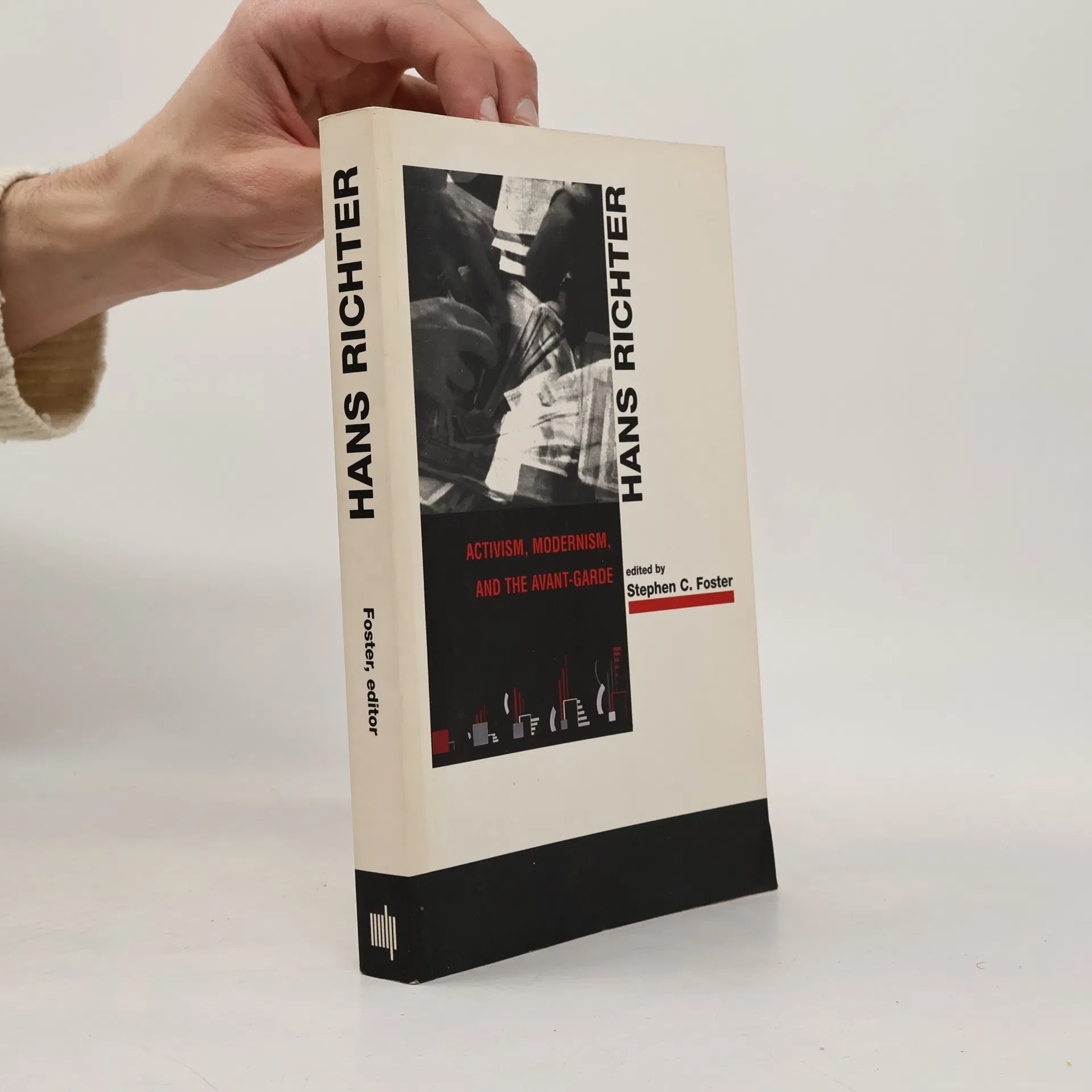

Hans Richter
Activism, Modernism, and the Avant-Garde
Autor*innen
Mehr zum Buch
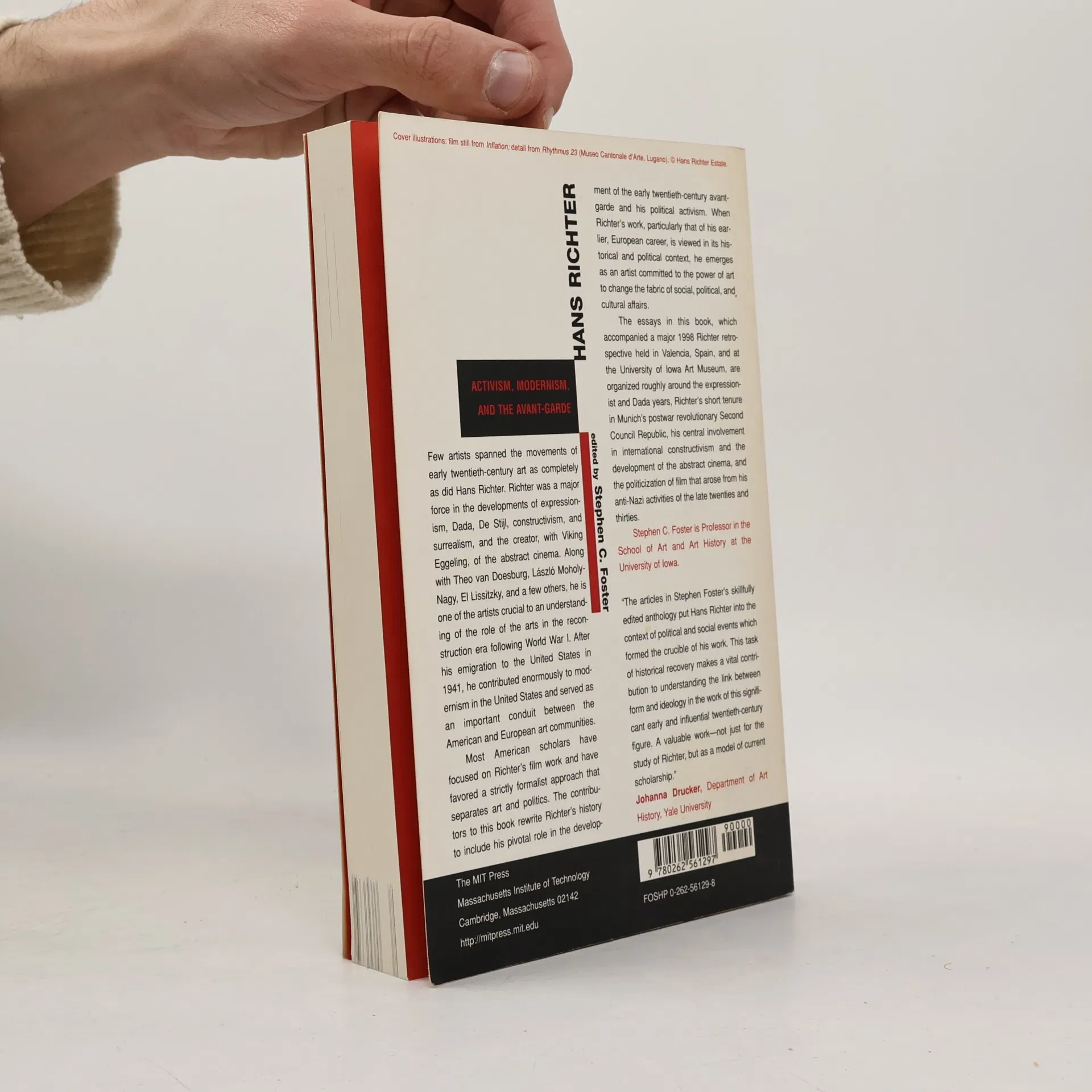
Few artists spanned the movements of early twentieth-century art as completely as didHans Richter. Richter was a major force in the developments of expressionism, Dada, De Stijl,constructivism, and Surrealism, and the creator, with Viking Eggeling, of the abstract cinema. Alongwith Theo van Doesburg, László Moholy-Nagy, El Lissitzky, and a few others, he is one of the artistscrucial to an understanding of the role of the arts in the reconstruction era following World WarI.Most American scholars have focused on Richter's film work and have favored a strictly formalistapproach that separates art and politics. The contributors to this book rewrite Richter's history toinclude his pivotal role in the development of the early twentieth-century avant-garde and hispolitical activism. When Richter's work, particularly that of his earlier, European career, isviewed in its historical and political context, he emerges as an artist committed to the power ofart to change the fabric of social, political, and cultural affairs.
Buchkauf
Hans Richter, Hans Richter, Stephen C. Foster
- Sprache

- Erscheinungsdatum
- 2000
- Einband
- (Paperback),
- Buchzustand
- Gebraucht - Gut
- Preis
- € 10,49
Keiner hat bisher bewertet.
- Titel
- Hans Richter
- Untertitel
- Activism, Modernism, and the Avant-Garde
- Sprache
- Englisch
- Autor*innen
- Hans Richter, Stephen C. Foster
- Verlag
- The MIT press
- Erscheinungsdatum
- 2000
- Einband
- Paperback
- Seitenzahl
- 341
- ISBN10
- 0262561298
- ISBN13
- 9780262561297
- Reihe
- Kategorien
- Schlagwörter
- Historisches Thema, Kunst, USA, Deutschland, Kunstgeschichte, Westeuropa, Dadaismus
- Beschreibung
- Few artists spanned the movements of early twentieth-century art as completely as didHans Richter. Richter was a major force in the developments of expressionism, Dada, De Stijl,constructivism, and Surrealism, and the creator, with Viking Eggeling, of the abstract cinema. Alongwith Theo van Doesburg, László Moholy-Nagy, El Lissitzky, and a few others, he is one of the artistscrucial to an understanding of the role of the arts in the reconstruction era following World WarI.Most American scholars have focused on Richter's film work and have favored a strictly formalistapproach that separates art and politics. The contributors to this book rewrite Richter's history toinclude his pivotal role in the development of the early twentieth-century avant-garde and hispolitical activism. When Richter's work, particularly that of his earlier, European career, isviewed in its historical and political context, he emerges as an artist committed to the power ofart to change the fabric of social, political, and cultural affairs.