


Mehr zum Buch
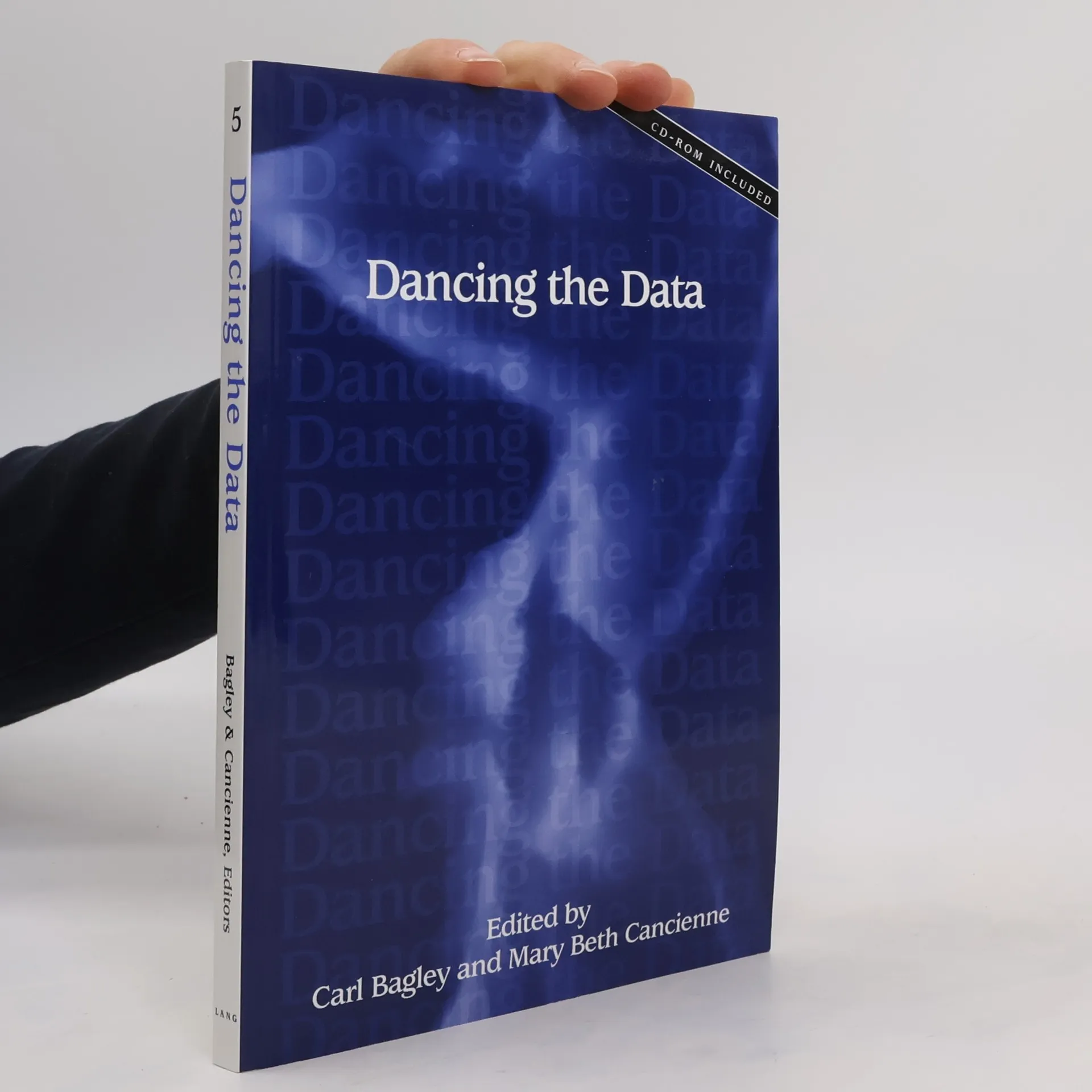
Dancing the Data shows the ways in which educational research and the visual and performing arts can embrace each other to engender a culture of feeling and meaning and in so doing evoke new ways of knowing, learning, and teaching. It draws on the artistic mediums of dance, collage, poetry, music, and drama and invites the reader to engage with the educational research endeavors of the contributors as they seek to move beyond the traditions of established approaches to represent and reflect on their work in artistic forms. Dancing the Data seeks to open up conversational beginnings with teachers, researchers, and students, and to tempt them to discuss and reflect on the ways in which established methodological and pedagogical boundaries might be crossed and new ways of seeing and doing valued and explored.
Buchkauf
Dancing The Data, Carl Bagley
- Sprache

- Erscheinungsdatum
- 2002
- Einband
- (Paperback)
Keiner hat bisher bewertet.
- Titel
- Dancing The Data
- Sprache
- Englisch
- Autor*innen
- Carl Bagley
- Verlag
- Lang
- Erscheinungsdatum
- 2002
- Einband
- Paperback
- Seitenzahl
- 202
- ISBN10
- 0820455253
- ISBN13
- 9780820455259
- Reihe
- Schlagwörter
- Bildung
- Beschreibung
- Dancing the Data shows the ways in which educational research and the visual and performing arts can embrace each other to engender a culture of feeling and meaning and in so doing evoke new ways of knowing, learning, and teaching. It draws on the artistic mediums of dance, collage, poetry, music, and drama and invites the reader to engage with the educational research endeavors of the contributors as they seek to move beyond the traditions of established approaches to represent and reflect on their work in artistic forms. Dancing the Data seeks to open up conversational beginnings with teachers, researchers, and students, and to tempt them to discuss and reflect on the ways in which established methodological and pedagogical boundaries might be crossed and new ways of seeing and doing valued and explored.