

Mehr zum Buch
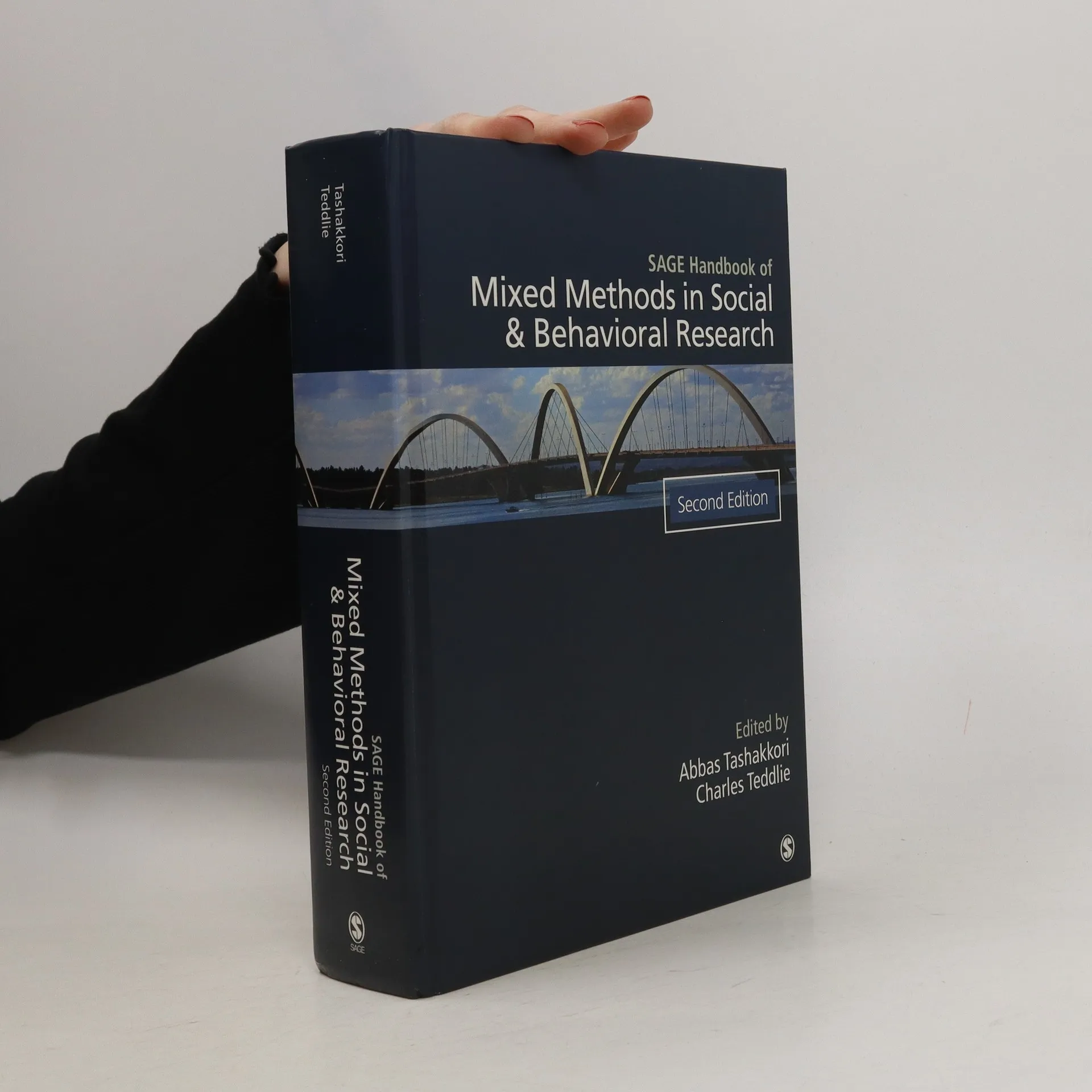
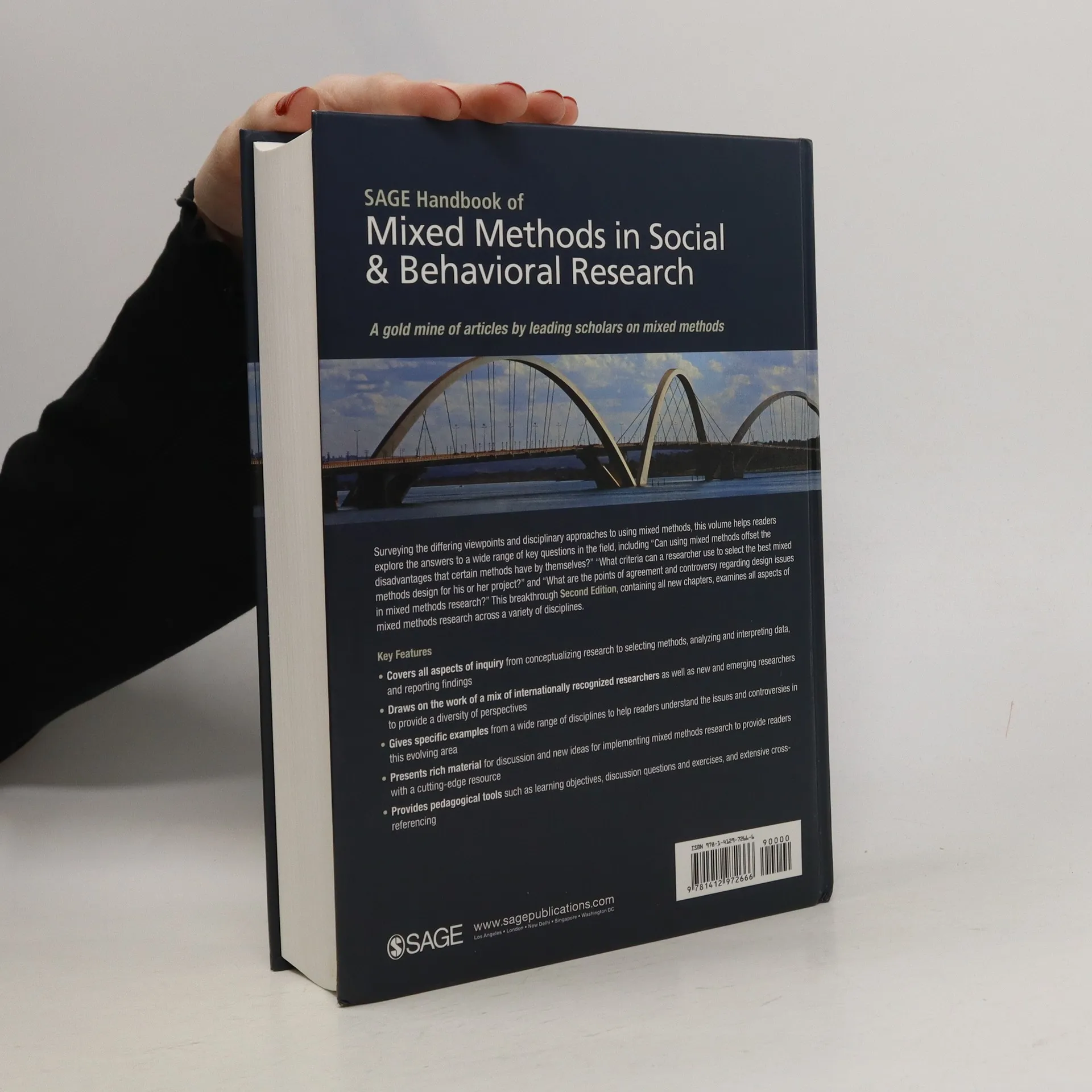
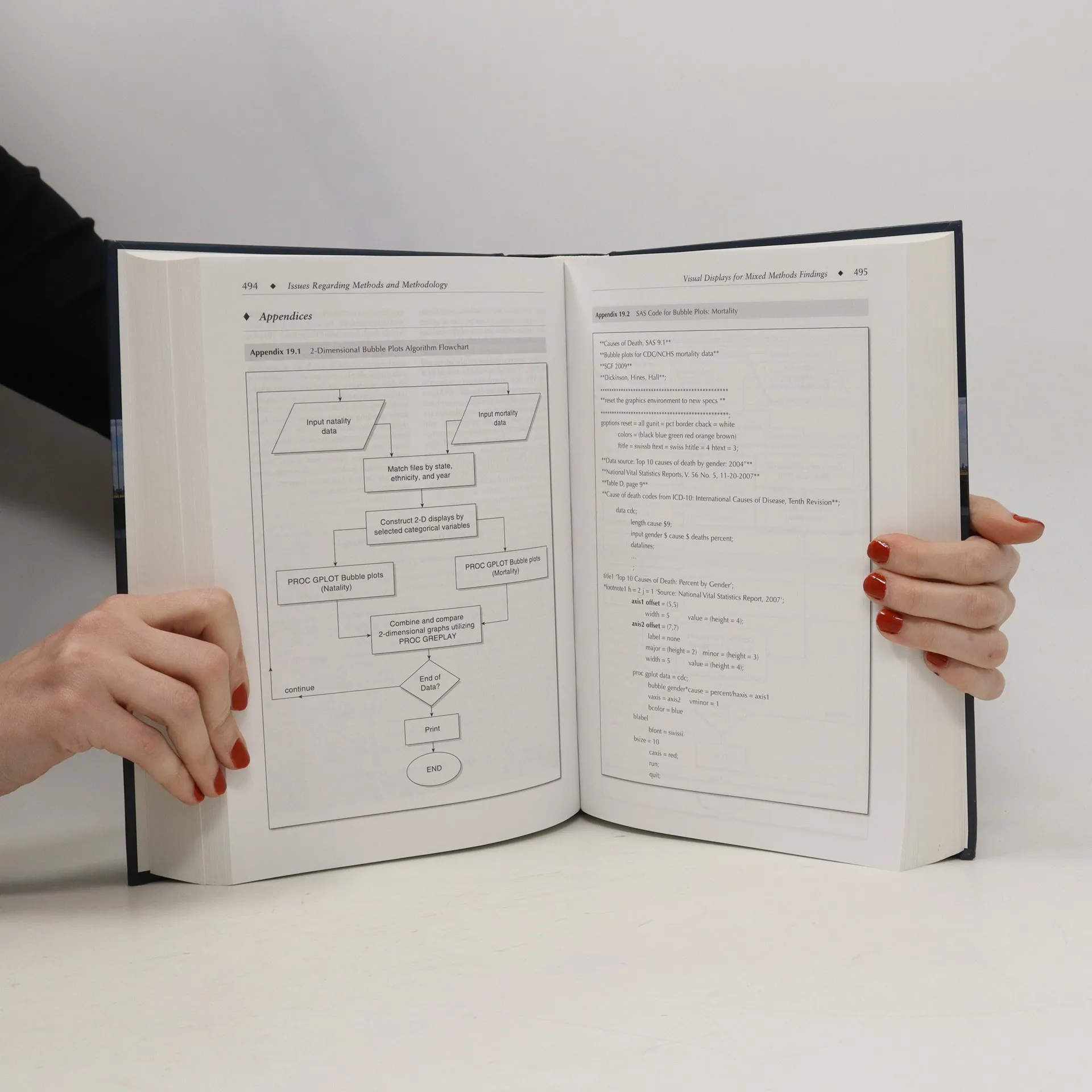
The Handbook of Mixed Methods in Social & Behavioral Research contains a gold mine of articles by leading scholars on what has come to be known as the third methodological movement in social research. Aimed at surveying the differing viewpoints and disciplinary approaches of mixed methods, this breakthrough book examines mixed methods from the research enterprise to paradigmatic issues to application. The book also discusses the strengths and weaknesses of mixed methods designs, and provides an array of specific examples in a variety of disciplines, from psychology to nursing. The book closes with a brief section on how to teach and perform collaborative research using a mixed methods research design. Written so that it can be used either as a pedagogical tool or as a reference for researchers, the book is rich in examples and includes a glossary, easy-to-follow diagrams, and tables to help readers become more familiar with the language and controversies in this evolving area.
Buchkauf
SAGE Handbook of Mixed Methods in Social & Behavioral Research, Charles Teddlie, Abbas Tashakkori
- Sprache

- Erscheinungsdatum
- 2010
- Einband
- (Hardcover)
Hier könnte deine Bewertung stehen.
- Titel
- SAGE Handbook of Mixed Methods in Social & Behavioral Research
- Sprache
- Englisch
- Autor*innen
- Charles Teddlie, Abbas Tashakkori
- Verlag
- Sage
- Erscheinungsdatum
- 2010
- Einband
- Hardcover
- Seitenzahl
- 912
- ISBN10
- 1412972663
- ISBN13
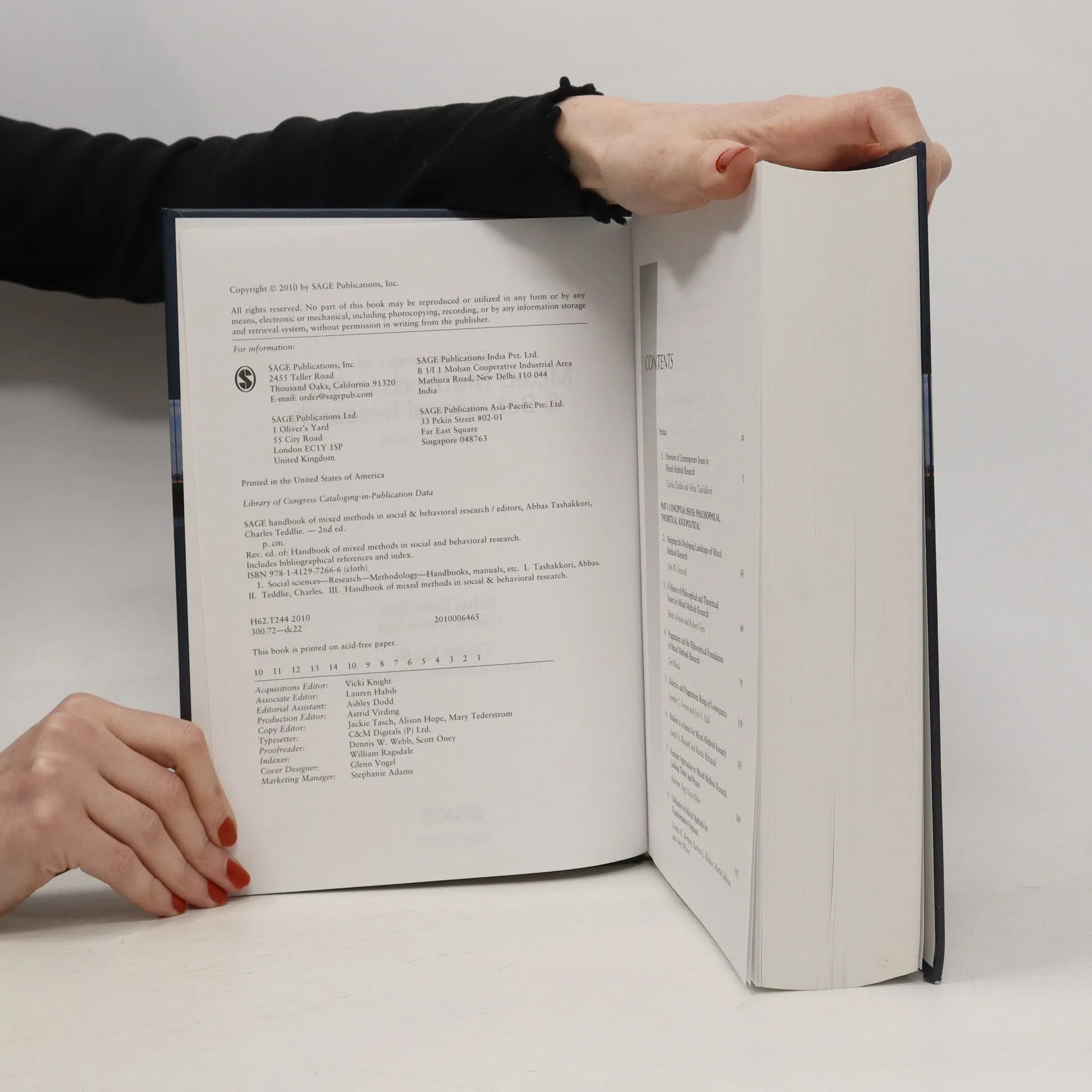
- 9781412972666
- Reihe
- Kategorien
- Schlagwörter
- Forschung
- Bewertung
- 4,3 von 5 Sternen
- Beschreibung
- The Handbook of Mixed Methods in Social & Behavioral Research contains a gold mine of articles by leading scholars on what has come to be known as the third methodological movement in social research. Aimed at surveying the differing viewpoints and disciplinary approaches of mixed methods, this breakthrough book examines mixed methods from the research enterprise to paradigmatic issues to application. The book also discusses the strengths and weaknesses of mixed methods designs, and provides an array of specific examples in a variety of disciplines, from psychology to nursing. The book closes with a brief section on how to teach and perform collaborative research using a mixed methods research design. Written so that it can be used either as a pedagogical tool or as a reference for researchers, the book is rich in examples and includes a glossary, easy-to-follow diagrams, and tables to help readers become more familiar with the language and controversies in this evolving area.