

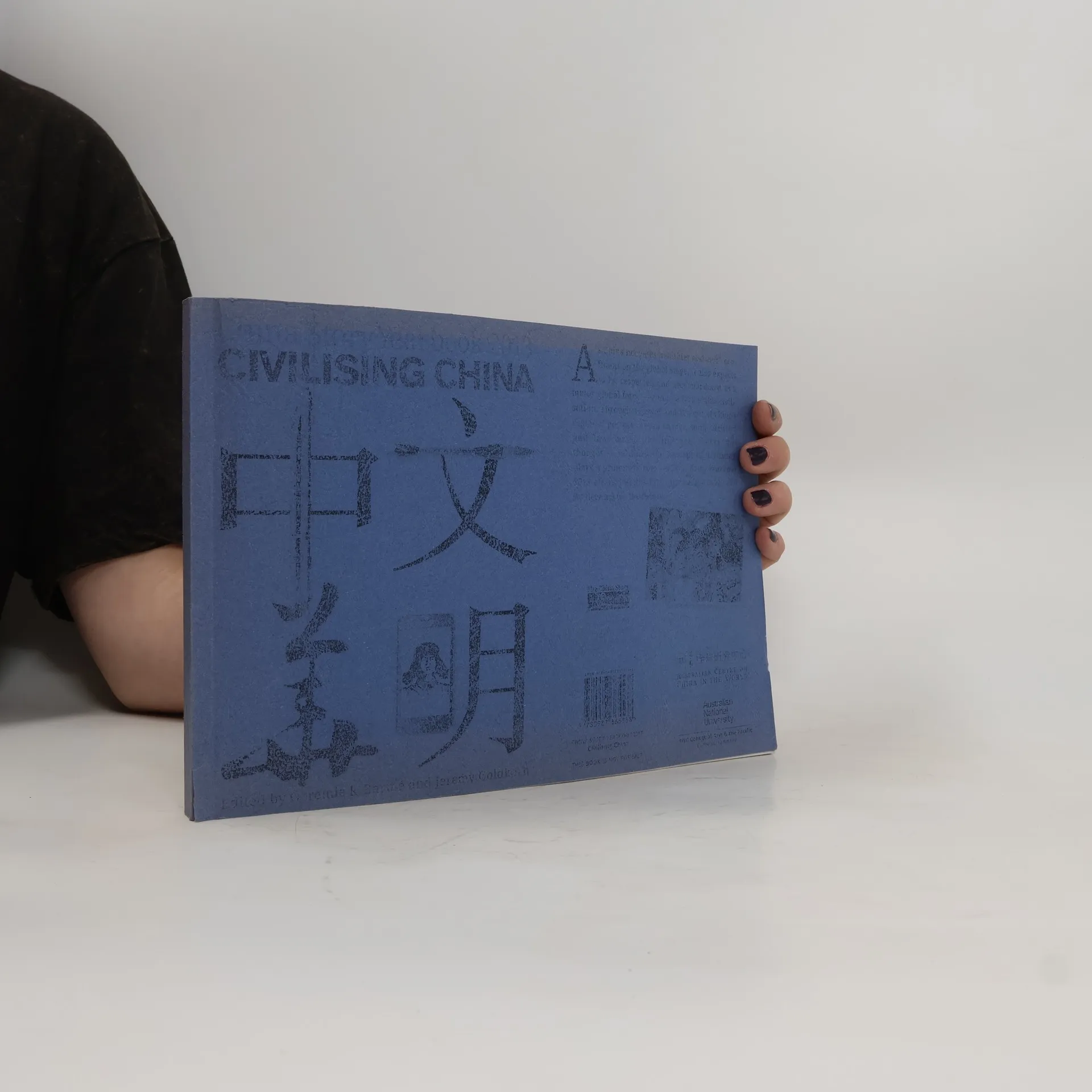

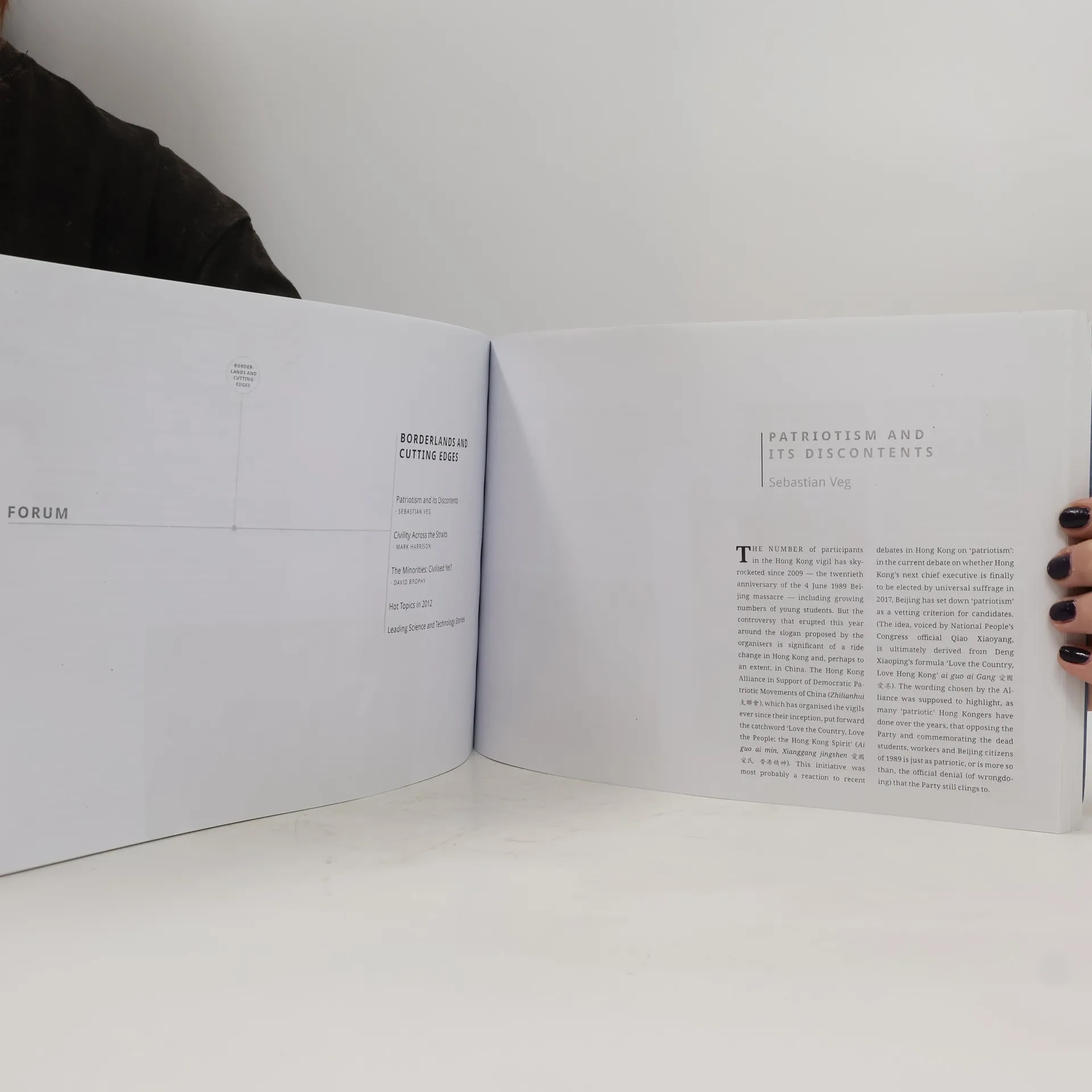
Civilising China
Autor*innen
Mehr zum Buch
As China becomes more wealthy and confident on the global stage, it also expects to be respected and accommodated as a major global force - and a formidable civilisation. This second edition of China Story Yearbook surveys China's regional posture, urban change, social activism and law, the Internet, history and thought that resonate beyond the year 2013-2014. Since the late-nineteenth century, efforts to create modern societies in East Asia have involved redefining ancient civilisations and integrating new ideas into old cultures. The project of 'civilising' is not unique to the region. Worldwide, governments, businesses and educators have long tried to mould the economic, social and political behaviours of their citizens (or consumers, sometimes blending the two concepts). The Chinese Communist Party uses the expression 'civilisation' (wenming 文明) within China to improve civic standards, promote patriotism, evoke pliable cultural and political traditions and limit dissent. As China becomes more wealthy and confident on the global stage, it also expects to be respected and accommodated as a major global force - and a formidable civilisation.
Buchkauf
Civilising China, Jeremy Goldkorn, Geremie Barmé
- Sprache

- Erscheinungsdatum
- 2013
- Einband
- (Paperback)
Keiner hat bisher bewertet.
- Titel
- Civilising China
- Sprache
- Englisch
- Autor*innen
- Jeremy Goldkorn, Geremie Barmé
- Erscheinungsdatum
- 2013
- Einband
- Paperback
- Seitenzahl
- 459
- ISBN10
- 0987365533
- ISBN13
- 9780987365538
- Reihe
- Kategorien
- Schlagwörter
- Beschreibung
- As China becomes more wealthy and confident on the global stage, it also expects to be respected and accommodated as a major global force - and a formidable civilisation. This second edition of China Story Yearbook surveys China's regional posture, urban change, social activism and law, the Internet, history and thought that resonate beyond the year 2013-2014. Since the late-nineteenth century, efforts to create modern societies in East Asia have involved redefining ancient civilisations and integrating new ideas into old cultures. The project of 'civilising' is not unique to the region. Worldwide, governments, businesses and educators have long tried to mould the economic, social and political behaviours of their citizens (or consumers, sometimes blending the two concepts). The Chinese Communist Party uses the expression 'civilisation' (wenming 文明) within China to improve civic standards, promote patriotism, evoke pliable cultural and political traditions and limit dissent. As China becomes more wealthy and confident on the global stage, it also expects to be respected and accommodated as a major global force - and a formidable civilisation.