


Mehr zum Buch
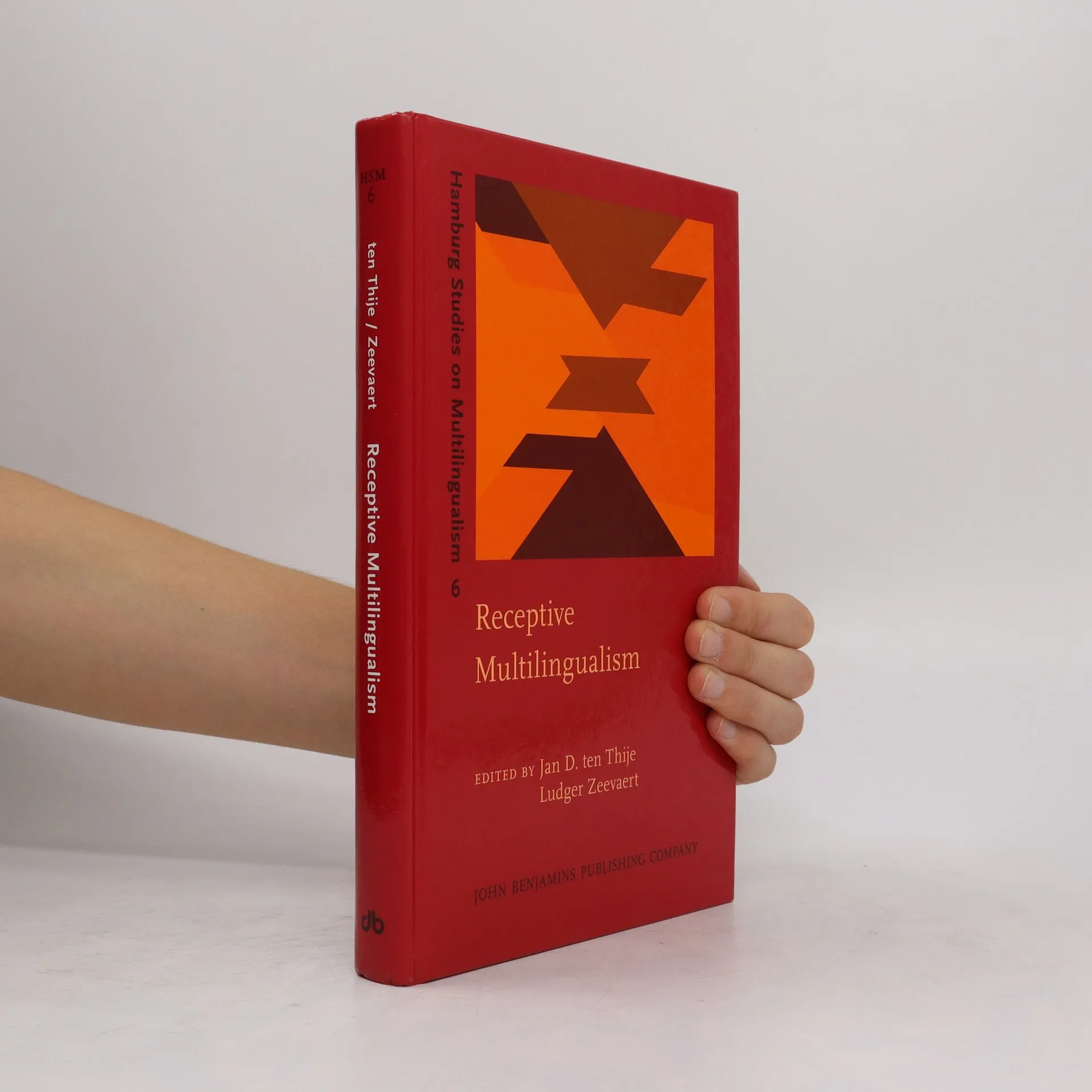
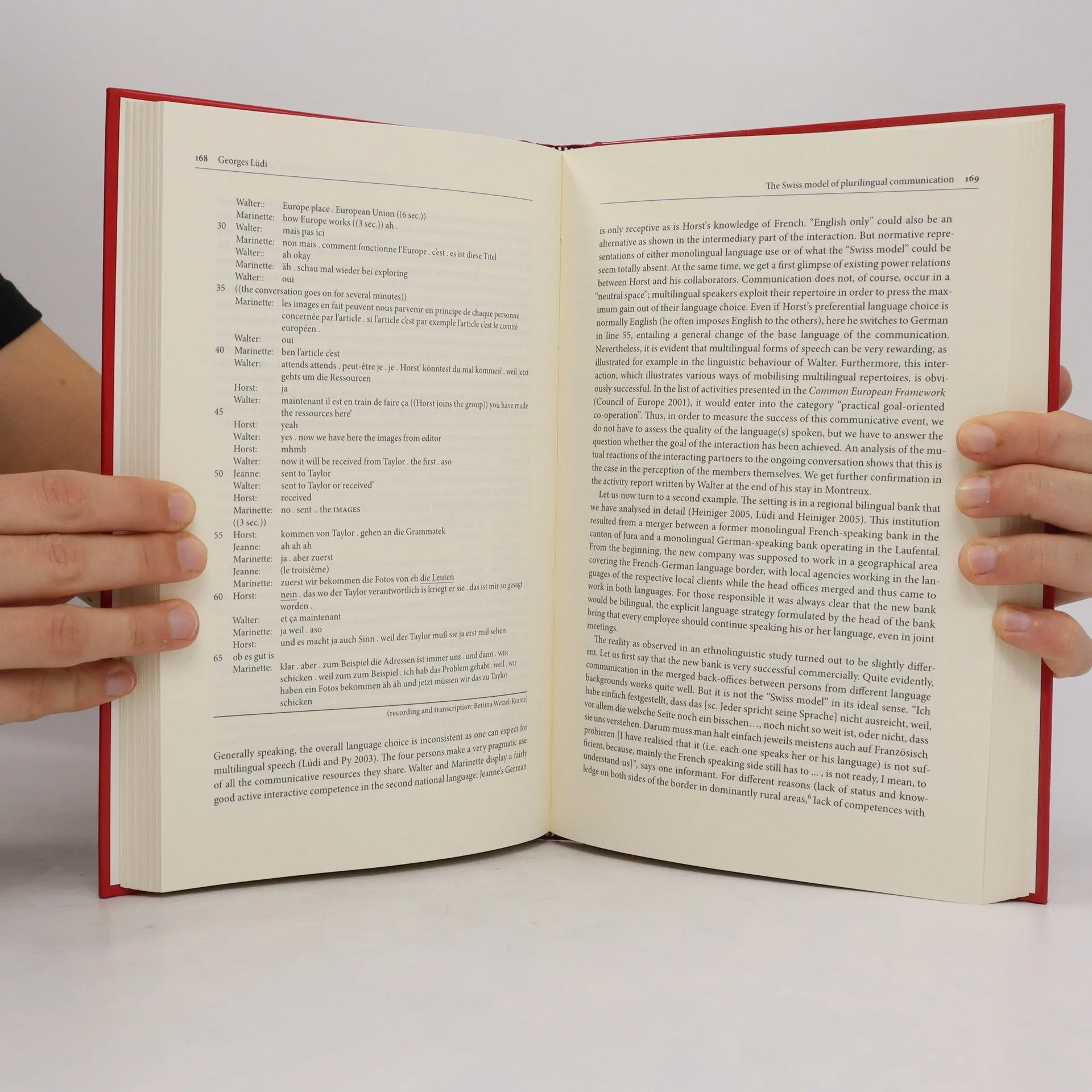
Receptive multilingualism refers to the language constellation in which interlocutors use their respective mother tongue while speaking to each other. Since the mid-nineties receptive multilingualism is promoted by the European commission on par with other possibilities of increasing the mobility of the European citizens. Throughout the last ten years a marked increase in the research on this topic has been observable. This volume reveals new perspectives from different theoretical frameworks on linguistic analyses of receptive multilingualism in Europe. Case studies are presented from contemporary settings, along with analyses of historical examples, theoretical considerations and, finally, descriptions of didactical concepts established in order to transfer and disseminate receptive multilingual competence. The book contains results from research carried out at the Research Center on Multilingualism at the University of Hamburg as well as contributions by various international scholars working in the field of receptive multilingualism.
Buchkauf
Receptive Multilingualism, Ludger Zeevaert, Jan D ten Thije
- Sprache

- Erscheinungsdatum
- 2007
- Einband
- (Hardcover)
Keiner hat bisher bewertet.
- Titel
- Receptive Multilingualism
- Sprache
- Englisch
- Autor*innen
- Ludger Zeevaert, Jan D ten Thije
- Erscheinungsdatum
- 2007
- Einband
- Hardcover
- Seitenzahl
- 328
- ISBN10
- 9027219265
- ISBN13
- 9789027219268
- Reihe
- Kategorien
- Schlagwörter
- Sprachbücher & -lexika
- Beschreibung
- Receptive multilingualism refers to the language constellation in which interlocutors use their respective mother tongue while speaking to each other. Since the mid-nineties receptive multilingualism is promoted by the European commission on par with other possibilities of increasing the mobility of the European citizens. Throughout the last ten years a marked increase in the research on this topic has been observable. This volume reveals new perspectives from different theoretical frameworks on linguistic analyses of receptive multilingualism in Europe. Case studies are presented from contemporary settings, along with analyses of historical examples, theoretical considerations and, finally, descriptions of didactical concepts established in order to transfer and disseminate receptive multilingual competence. The book contains results from research carried out at the Research Center on Multilingualism at the University of Hamburg as well as contributions by various international scholars working in the field of receptive multilingualism.