

Buchbewertung
Reihen
Mehr zum Buch
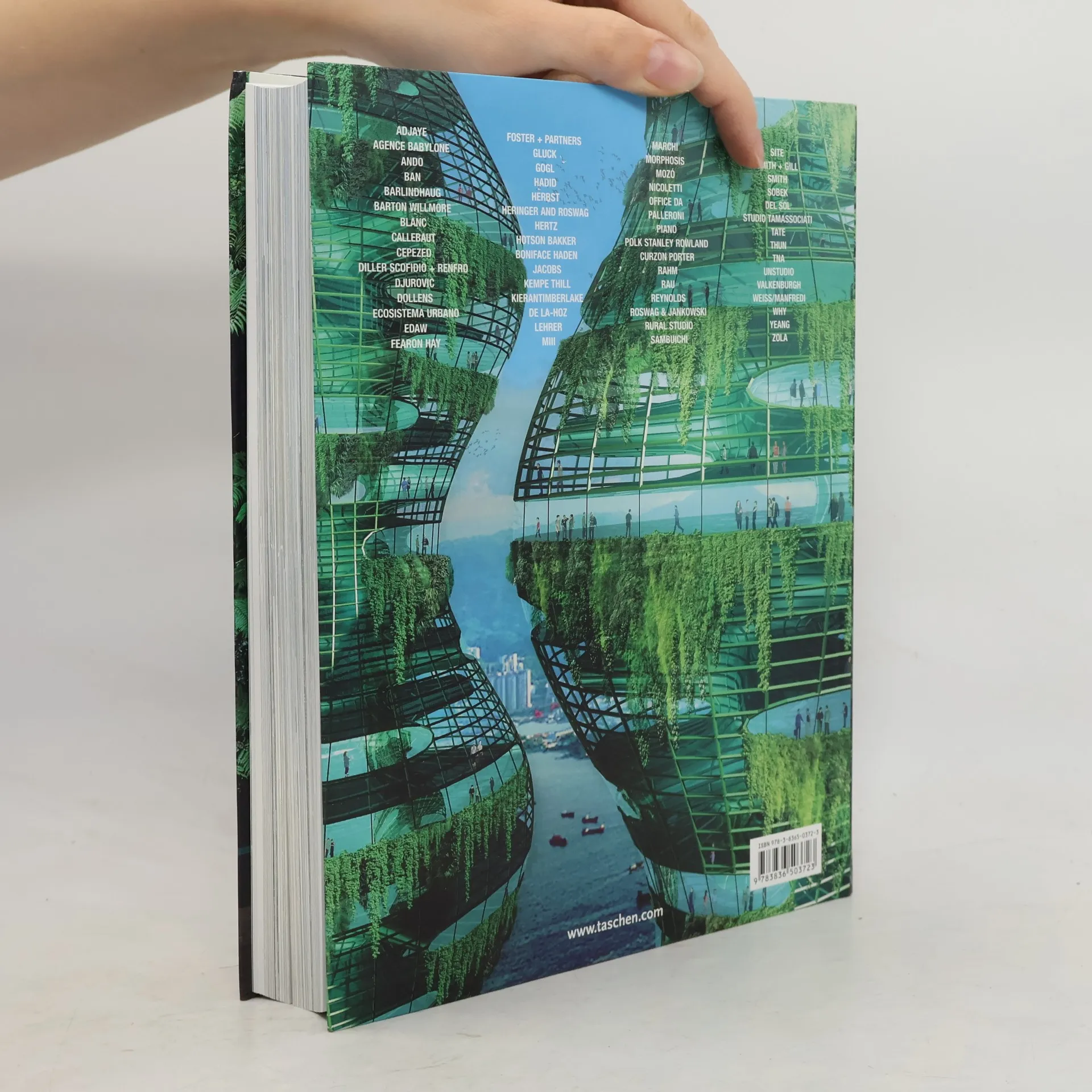
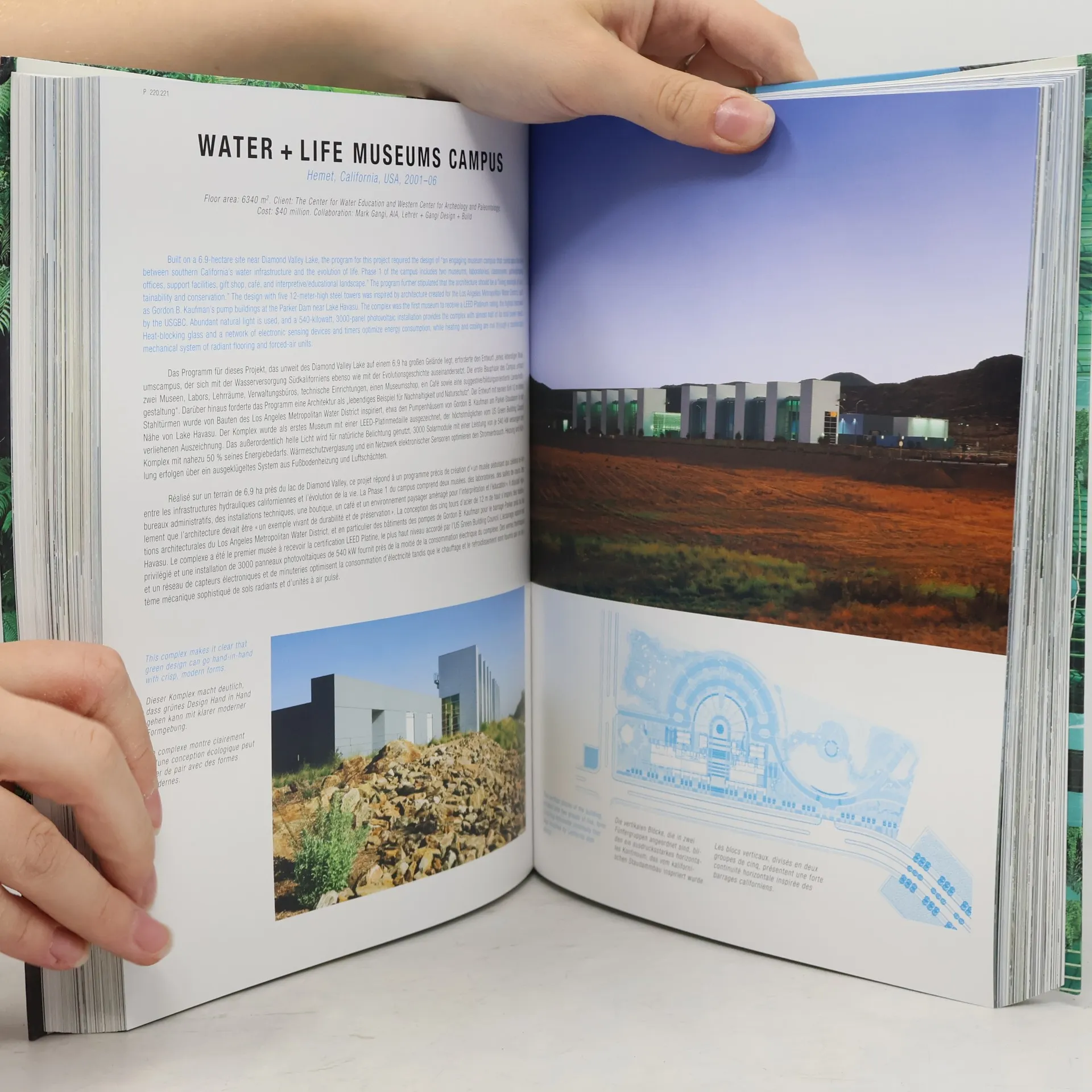
These days, green is the name of the game. There has never been so much interest in the ecological impact of buildings as there is today. This is not a negligible fact in the struggle to control pollution and in the search for responsible sustainable methods of construction. Buildings are among the heaviest consumers of natural resources and account for a significant portion of the greenhouse gas emissions that affect climate change. At a certain time, green buildings were ugly and complicated affairs, usually multicolored as though an entire rainbow in one building might be sufficient to prove a concern for ecology. This is surely no longer the case as buildings published in this volume demonstrate. However, it may be that green architecture is not so much about architecture as it is about survival; the aesthetics of the architecture are secondary considerations when it comes to finally stopping the war with nature that has resulted in the creation of the asphalt jungle.
Buchkauf
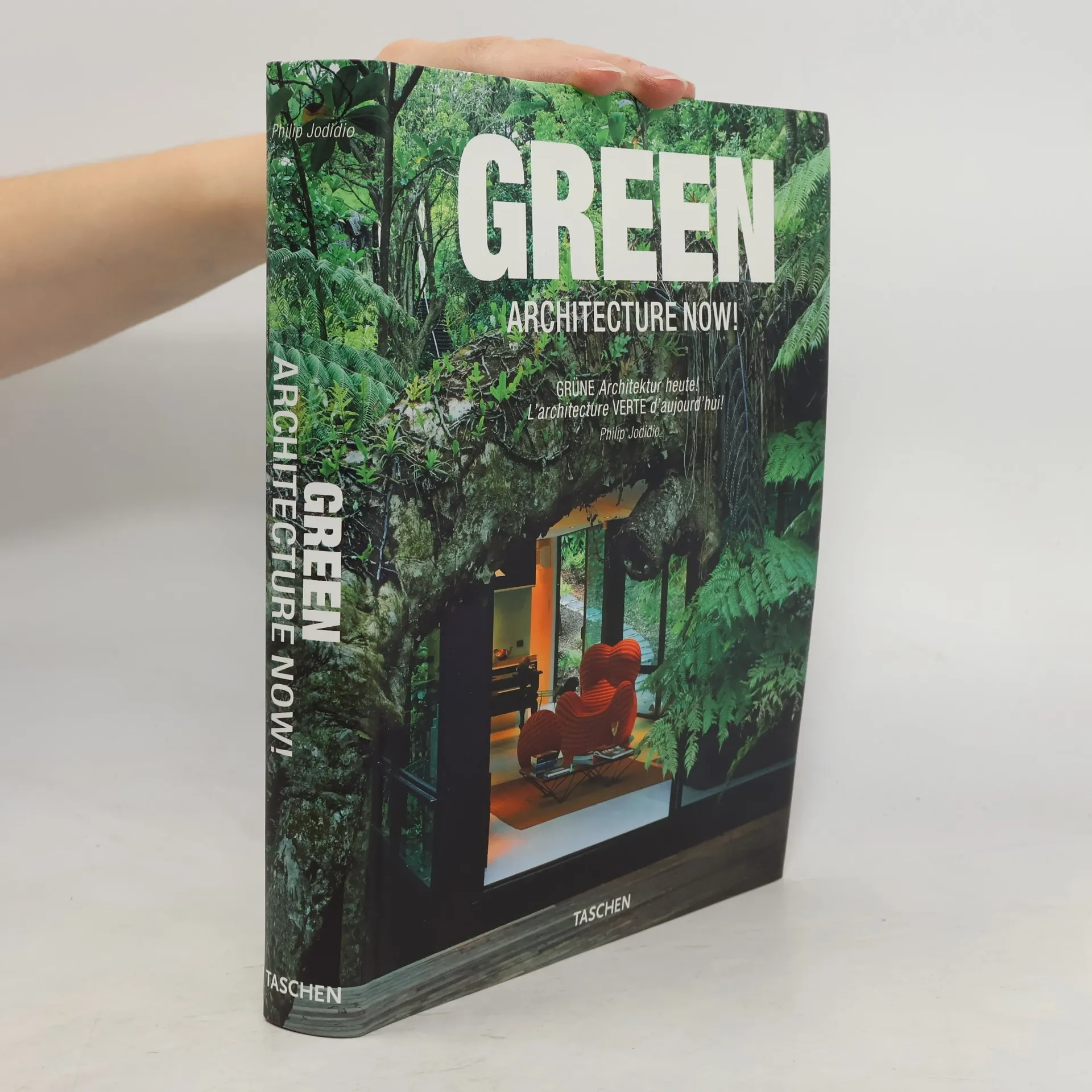
Green architecture now! Grüne Architektur heute! L'architecture verte d'aujourd'hui!, Philip Jodidio
- Sprache



- Erscheinungsdatum
- 2009
- Einband
- (Hardcover)
Hier könnte deine Bewertung stehen.
- Titel
- Green architecture now! Grüne Architektur heute! L'architecture verte d'aujourd'hui!
- Sprache
- Englisch, Deutsch, Französisch
- Autor*innen
- Philip Jodidio
- Verlag
- Taschen
- Erscheinungsdatum
- 2009
- Einband
- Hardcover
- Seitenzahl
- 416
- ISBN10
- 3836503727
- ISBN13
- 9783836503723
- Reihe
- Architektur, jetzt!
- Schlagwörter
- Architektur
- Bewertung
- 4,15 von 5 Sternen
- Beschreibung
- These days, green is the name of the game. There has never been so much interest in the ecological impact of buildings as there is today. This is not a negligible fact in the struggle to control pollution and in the search for responsible sustainable methods of construction. Buildings are among the heaviest consumers of natural resources and account for a significant portion of the greenhouse gas emissions that affect climate change. At a certain time, green buildings were ugly and complicated affairs, usually multicolored as though an entire rainbow in one building might be sufficient to prove a concern for ecology. This is surely no longer the case as buildings published in this volume demonstrate. However, it may be that green architecture is not so much about architecture as it is about survival; the aesthetics of the architecture are secondary considerations when it comes to finally stopping the war with nature that has resulted in the creation of the asphalt jungle.