

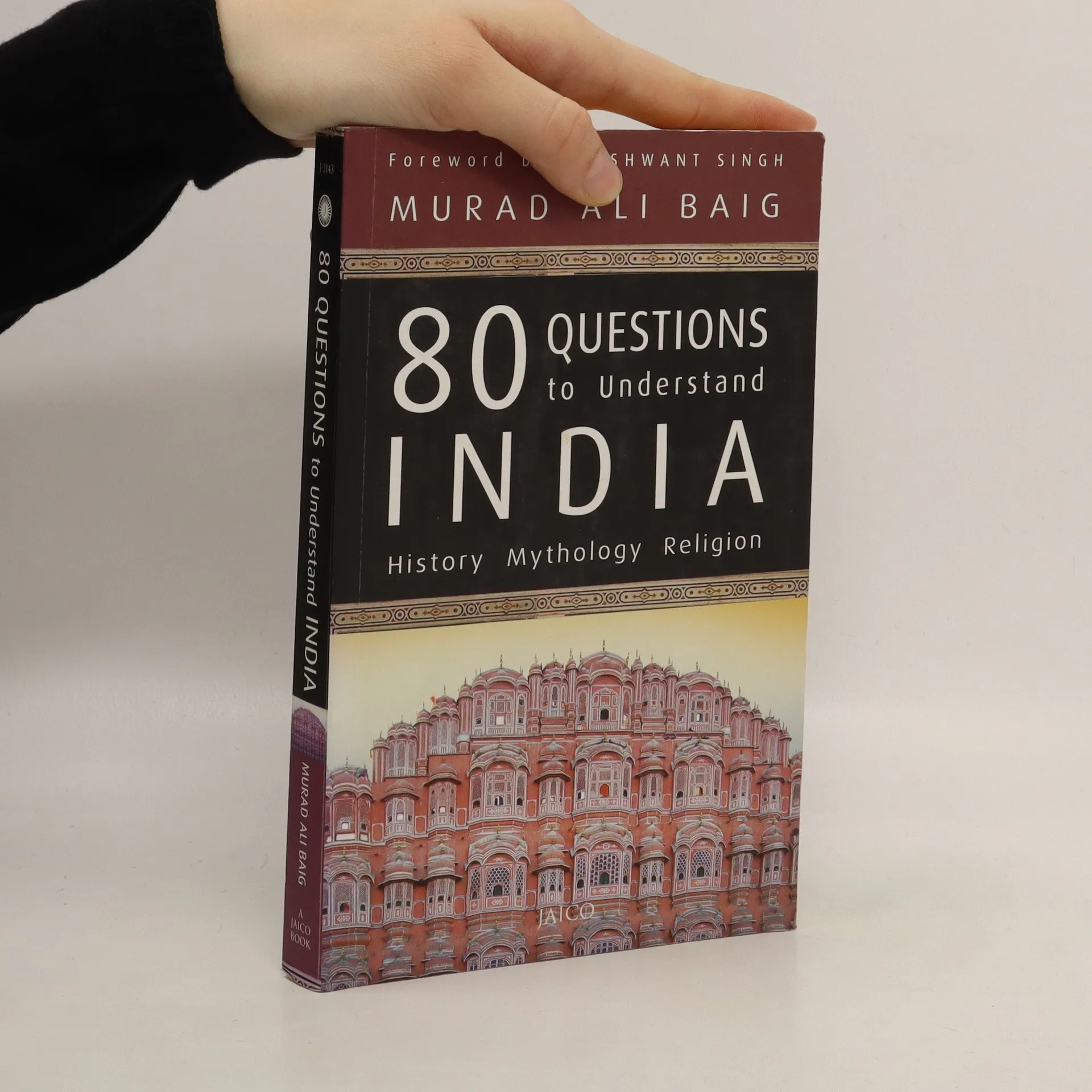

80 Questions to Understand India
Autor*innen
Mehr zum Buch
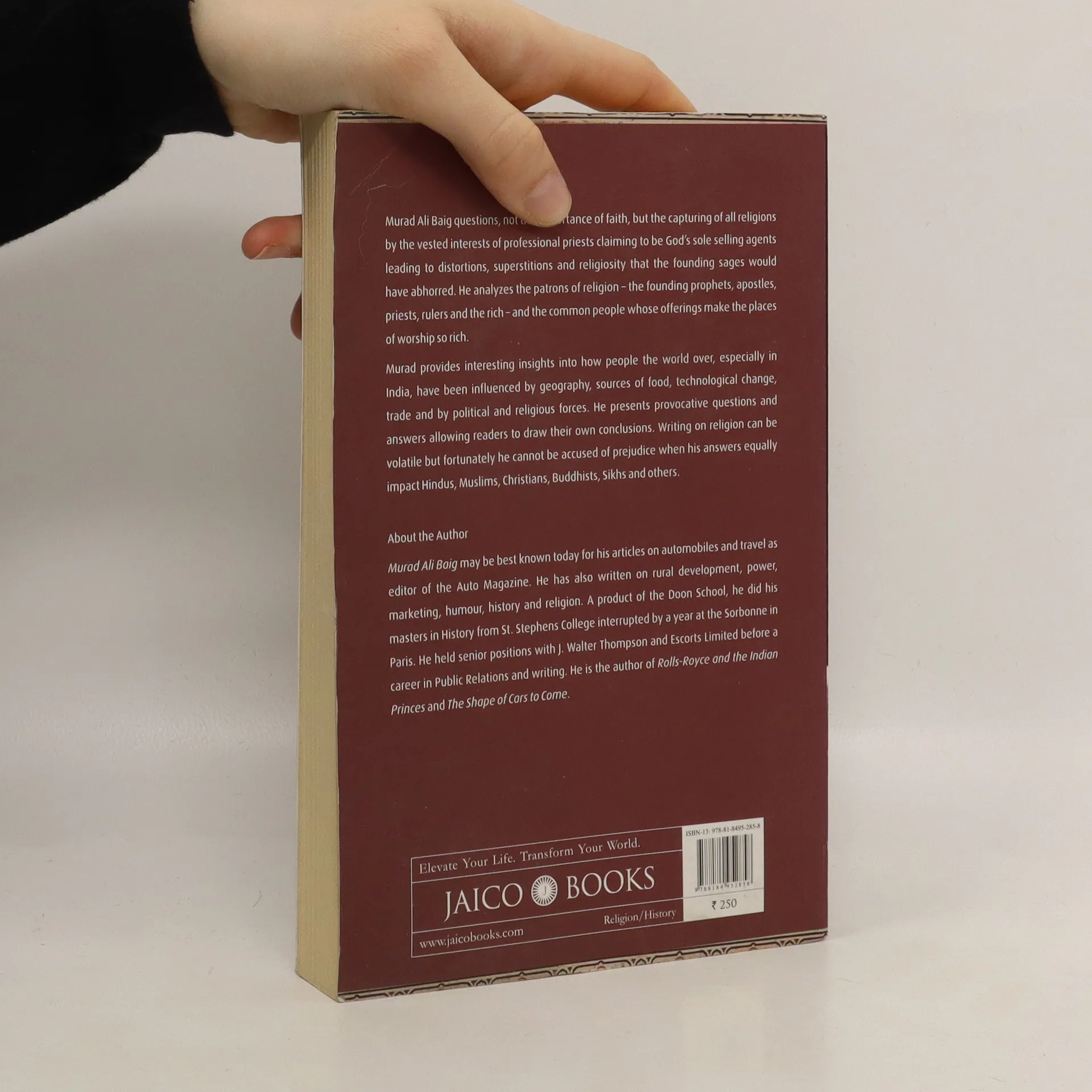
Murad Ali Baig questions, not the importance of faith, but the capturing of all religions by the vested interests of professional priests claiming to be God’s sole selling agents leading to distortions, superstitions and religiosity that the founding sages would have abhorred. He analyzes the patrons of religion – the founding prophets, apostles, priests, rulers and the rich – and the common people whose offerings make the places of worship so rich. Murad provides interesting insights into how people the world over, especially in India, have been influenced by geography, sources of food, technological change, trade and by political and religious forces. He presents provocative questions and answers allowing readers to draw their own conclusions. Writing on religion can be volatile but fortunately he cannot be accused of prejudice when his answers equally impact Hindus, Muslims, Christians, Buddhists, Sikhs and others.
Buchkauf
80 Questions to Understand India, Murad Ali Baig
- Sprache

- Erscheinungsdatum
- 2011
- Einband
- (Paperback)
Keiner hat bisher bewertet.
- Titel
- 80 Questions to Understand India
- Sprache
- Englisch
- Autor*innen
- Murad Ali Baig
- Verlag
- Jaico Publishing House
- Erscheinungsdatum
- 2011
- Einband
- Paperback
- ISBN10
- 8184952856
- ISBN13
- 9788184952858
- Reihe
- Schlagwörter
- Sikhismus
- Beschreibung
- Murad Ali Baig questions, not the importance of faith, but the capturing of all religions by the vested interests of professional priests claiming to be God’s sole selling agents leading to distortions, superstitions and religiosity that the founding sages would have abhorred. He analyzes the patrons of religion – the founding prophets, apostles, priests, rulers and the rich – and the common people whose offerings make the places of worship so rich. Murad provides interesting insights into how people the world over, especially in India, have been influenced by geography, sources of food, technological change, trade and by political and religious forces. He presents provocative questions and answers allowing readers to draw their own conclusions. Writing on religion can be volatile but fortunately he cannot be accused of prejudice when his answers equally impact Hindus, Muslims, Christians, Buddhists, Sikhs and others.