

Mehr zum Buch
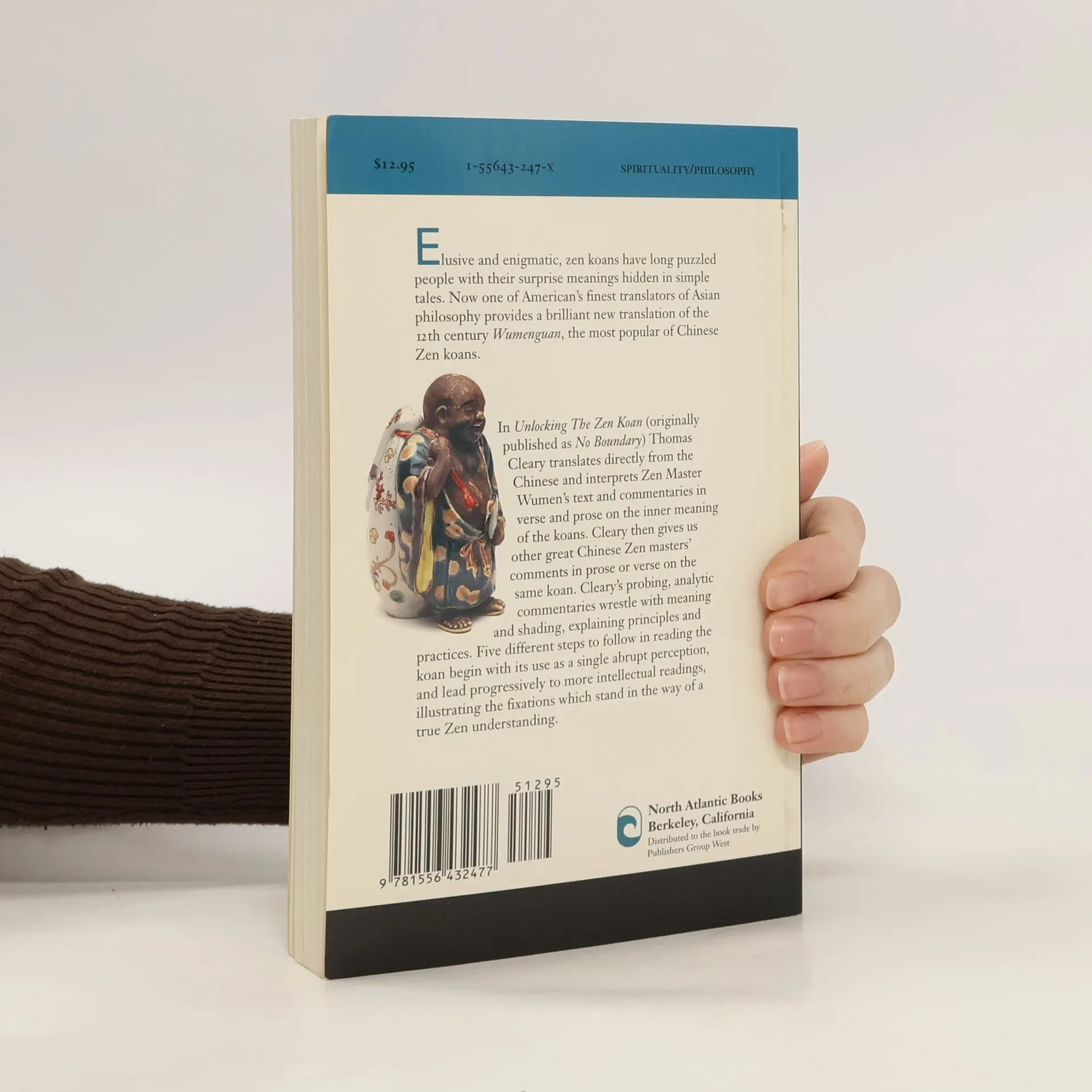
Elusive and enigmatic, zen koans have long puzzled people with their surprise meanings hidden in simple tales. Now one of America's finest translators of Asian philosophy provides a brillian new translation of the 12th century Wumenguan, the most popular of Chinese Zen koans. In Unlocking the Zen Koan (originally published as No Boundary), Thomas Cleary translates directly from the Chinese and interprets Zen Master Wumen's text and commentaries in verse and prose on the inner meaning of the koans. Cleary then gives us other great Chinese Zen masters' comments in prose or verse on the same koan. Cleary's probing, analytic commentaries wrestle with meaning and shading, explaining principles and practices. Five different steps to follow in reading the koan being with its use as a single abrupt perception, and lead progressively to more intellectual readings, illustrating the fixations which stand in the way of a true Zen understanding.
Buchkauf
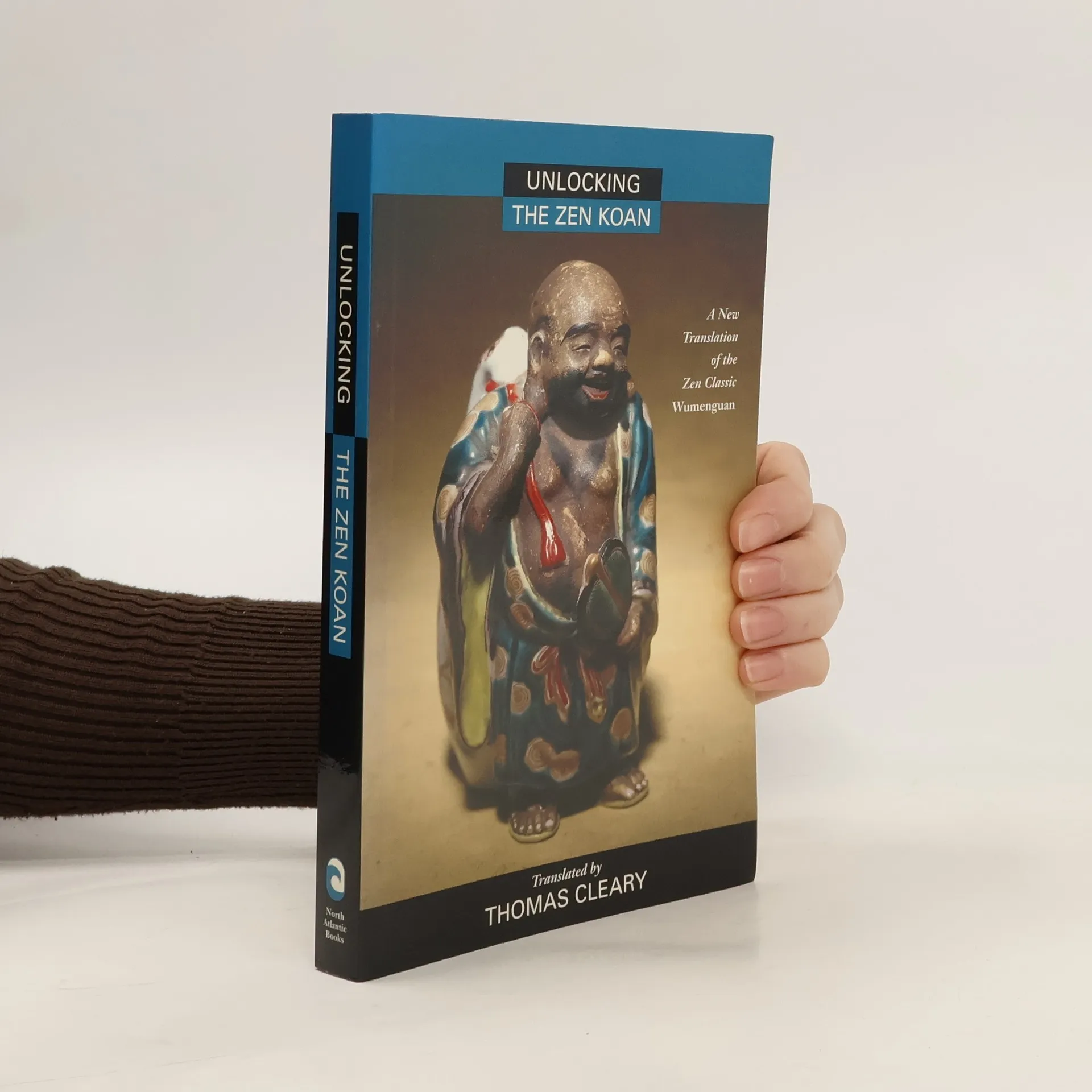
Unlocking The Zen Koan, Thomas Cleary
- Sprache

- Erscheinungsdatum
- 1997
- Einband
- (Paperback)
Hier könnte deine Bewertung stehen.
- Titel
- Unlocking The Zen Koan
- Sprache
- Englisch
- Autor*innen
- Thomas Cleary
- Verlag
- North Atlantic Books
- Erscheinungsdatum
- 1997
- Einband
- Paperback
- Seitenzahl
- 213
- ISBN10
- 155643247X
- ISBN13
- 9781556432477
- Reihe
- Schlagwörter
- Religiöse Themen, Philosophisches Thema, Spiritualität, Zen
- Bewertung
- 4,15 von 5 Sternen
- Beschreibung
- Elusive and enigmatic, zen koans have long puzzled people with their surprise meanings hidden in simple tales. Now one of America's finest translators of Asian philosophy provides a brillian new translation of the 12th century Wumenguan, the most popular of Chinese Zen koans. In Unlocking the Zen Koan (originally published as No Boundary), Thomas Cleary translates directly from the Chinese and interprets Zen Master Wumen's text and commentaries in verse and prose on the inner meaning of the koans. Cleary then gives us other great Chinese Zen masters' comments in prose or verse on the same koan. Cleary's probing, analytic commentaries wrestle with meaning and shading, explaining principles and practices. Five different steps to follow in reading the koan being with its use as a single abrupt perception, and lead progressively to more intellectual readings, illustrating the fixations which stand in the way of a true Zen understanding.