


Parameter
Mehr zum Buch
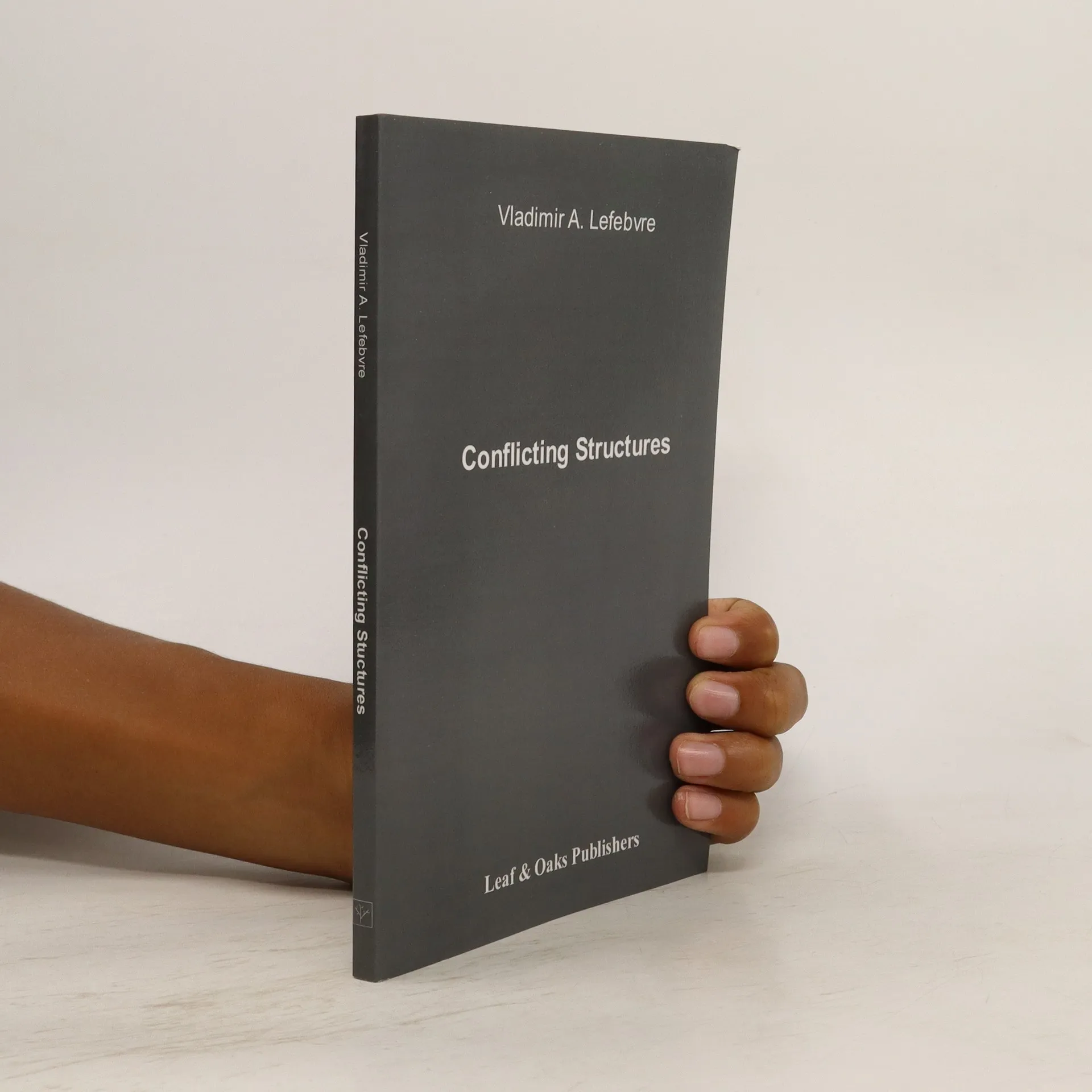
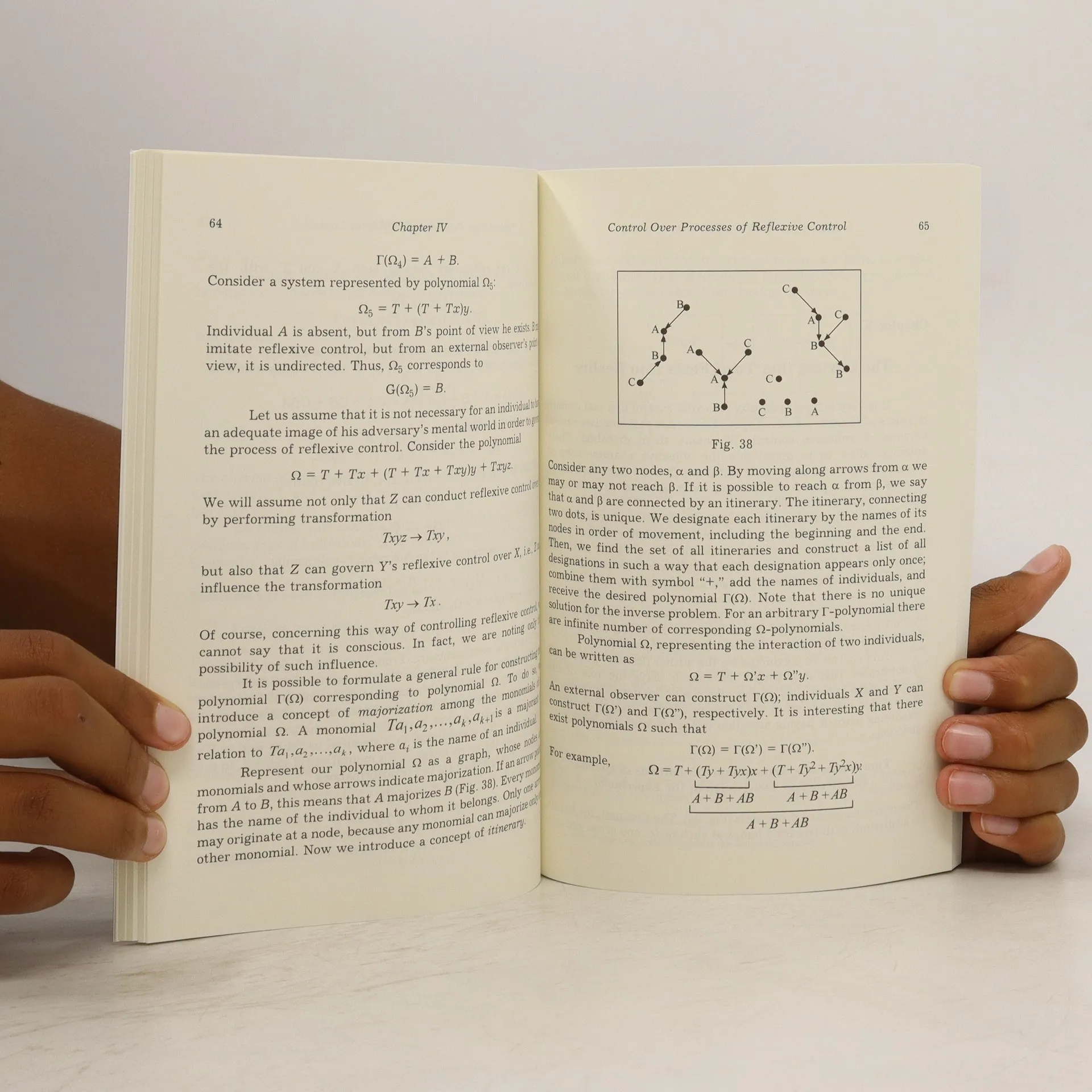
The first edition of this book appeared in 1967 (in Russian). In that edition, the author introduced two completely new concepts: that of a reflexive system (a system that has an image of the self) and that of reflexive control (conveying a basis for making the decision that is advantageous to the side conducting the reflexive control); both concepts have since become firmly established in modern theories of decision-making. The book contains the author's model of the Universe as a reflexive system (Janus-Cosmology) as well as the description of a device that turns fears into reality through reflexive control, constructed by the author for the purpose of experimental study. In addition, the author also explains how to use reflexive control over processes of reflexive control.
Buchkauf
Conflicting Structures, Vladimir Lefebvre
- Sprache

- Erscheinungsdatum
- 2015
- Einband
- (Paperback)
Hier könnte deine Bewertung stehen.
- Titel
- Conflicting Structures
- Sprache
- Englisch
- Autor*innen
- Vladimir Lefebvre
- Verlag
- Lulu.com
- Erscheinungsdatum
- 2015
- Einband
- Paperback
- ISBN10
- 0578157691
- ISBN13
- 9780578157696
- Reihe
- Kategorien
- Schlagwörter
- Naturwissenschaften
- Bewertung
- 5 von 5 Sternen
- Beschreibung
- The first edition of this book appeared in 1967 (in Russian). In that edition, the author introduced two completely new concepts: that of a reflexive system (a system that has an image of the self) and that of reflexive control (conveying a basis for making the decision that is advantageous to the side conducting the reflexive control); both concepts have since become firmly established in modern theories of decision-making. The book contains the author's model of the Universe as a reflexive system (Janus-Cosmology) as well as the description of a device that turns fears into reality through reflexive control, constructed by the author for the purpose of experimental study. In addition, the author also explains how to use reflexive control over processes of reflexive control.