

Mehr zum Buch
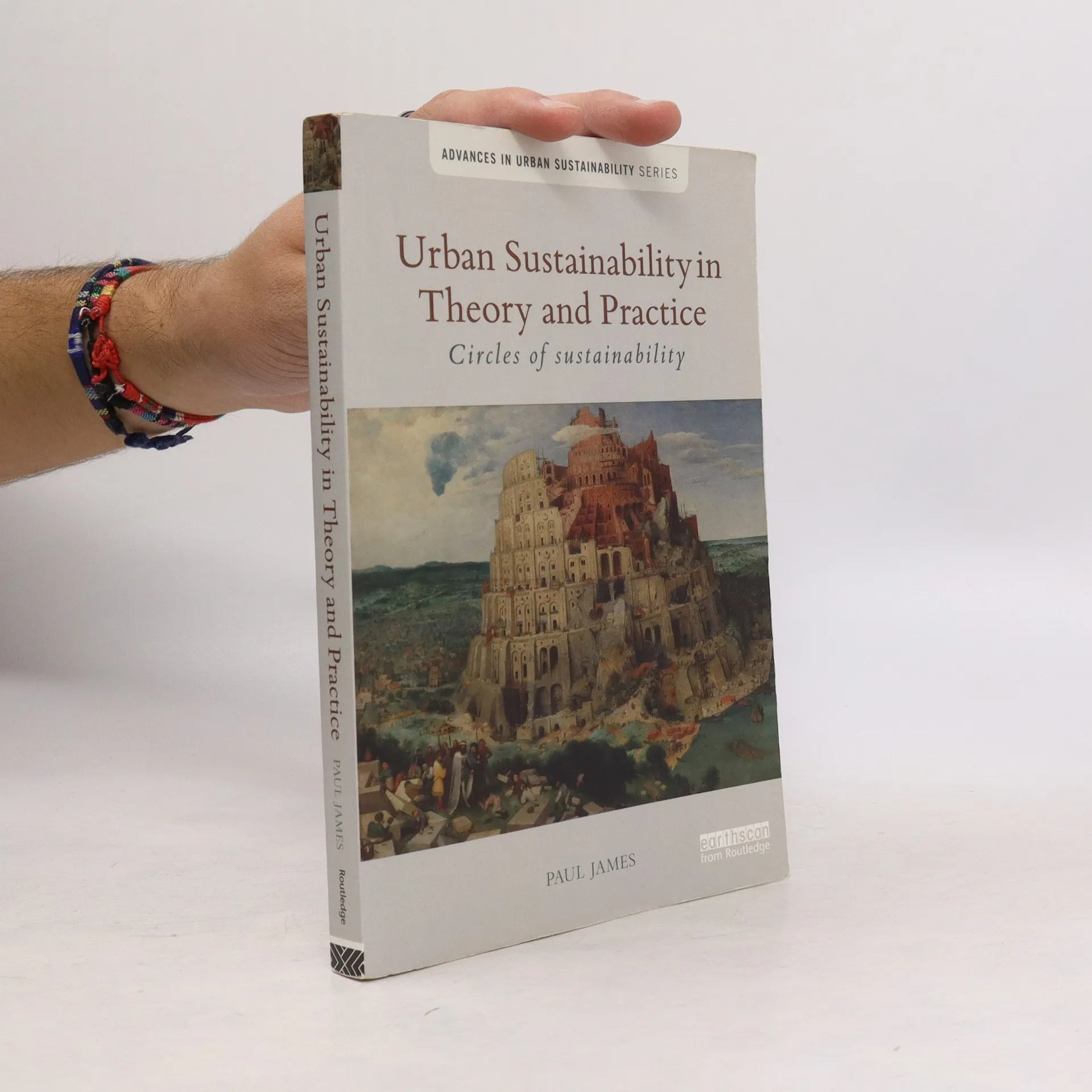
This book responds to the crises of sustainability in the world today by going back to basics. It makes four major contributions to thinking about and acting upon cities. It provides a means of reflexivity learning about urban sustainability in the process of working practically for positive social development and projected change. It challenges the usually taken-for-granted nature of sustainability practices while providing tools for modifying those practices. It emphasizes the necessity of a holistic and integrated understanding of urban life. Finally it rewrites existing dominant understandings of the social whole such as the triple-bottom line approach that reduce environmental questions to externalities and social questions to background issues. The book is a practical and conceptual guide for rethinking urban engagement.
Buchkauf
Urban Sustainability in Theory and Practice, Paul James
- Sprache

- Erscheinungsdatum
- 2015
- Einband
- (Paperback)
Hier könnte deine Bewertung stehen.
- Titel
- Urban Sustainability in Theory and Practice
- Untertitel
- Circles of sustainability
- Sprache
- Englisch
- Autor*innen
- Paul James
- Verlag
- Routledge
- Erscheinungsdatum
- 2015
- Einband
- Paperback
- Seitenzahl
- 260
- ISBN10
- 1138025739
- ISBN13
- 9781138025738
- Reihe
- Schlagwörter
- Bewertung
- 4 von 5 Sternen
- Beschreibung
- This book responds to the crises of sustainability in the world today by going back to basics. It makes four major contributions to thinking about and acting upon cities. It provides a means of reflexivity learning about urban sustainability in the process of working practically for positive social development and projected change. It challenges the usually taken-for-granted nature of sustainability practices while providing tools for modifying those practices. It emphasizes the necessity of a holistic and integrated understanding of urban life. Finally it rewrites existing dominant understandings of the social whole such as the triple-bottom line approach that reduce environmental questions to externalities and social questions to background issues. The book is a practical and conceptual guide for rethinking urban engagement.