

Parameter
Mehr zum Buch
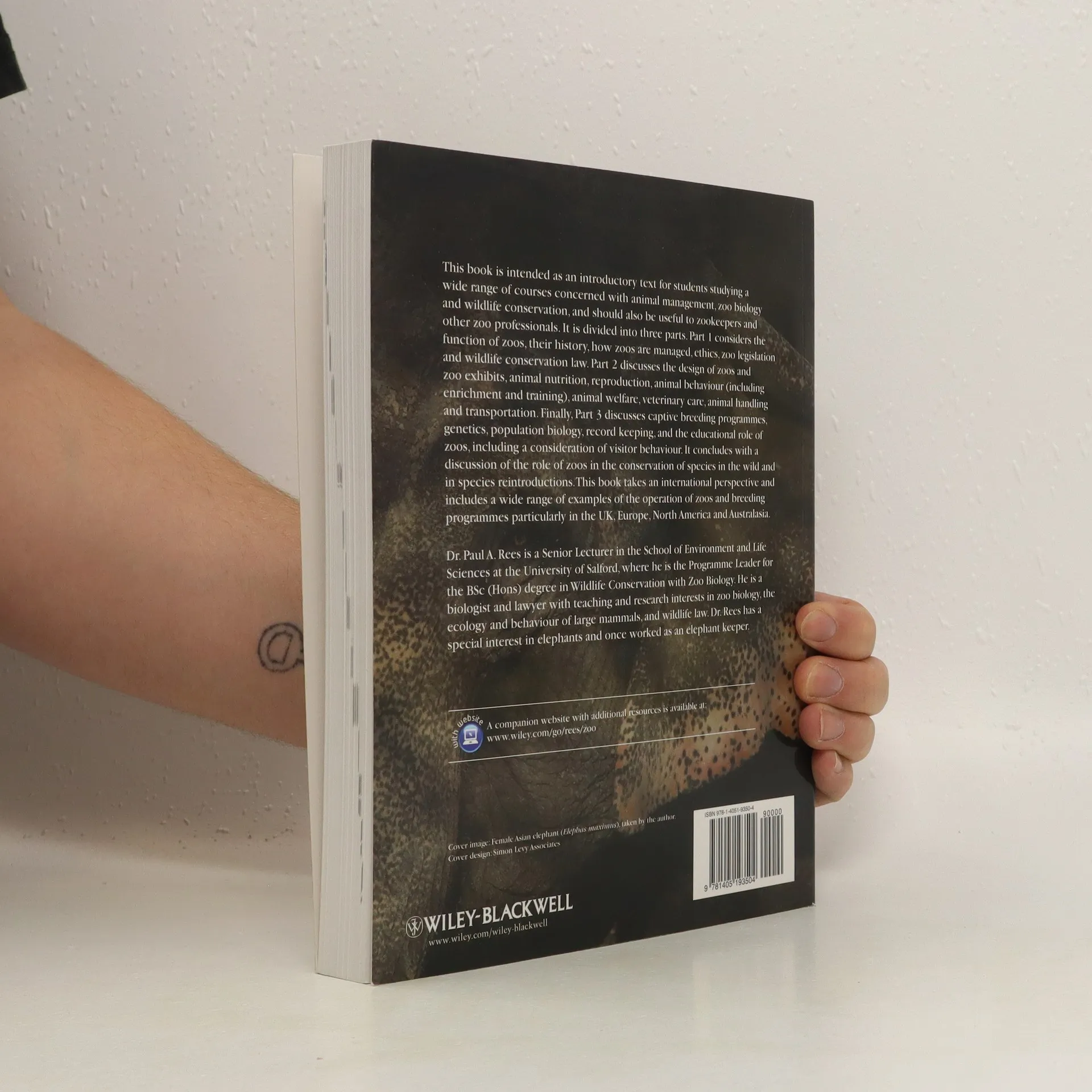
This book is intended as an introductory text for students studying a wide range of courses concerned with animal management, zoo biology and wildlife conservation, and should also be useful to zookeepers and other zoo professionals. It is divided into three parts. Part 1 considers the function of zoos, their history, how zoos are managed, ethics, zoo legislation and wildlife conservation law. Part 2 discusses the design of zoos and zoo exhibits, animal nutrition, reproduction, animal behaviour (including enrichment and training), animal welfare, veterinary care, animal handling and transportation. Finally, Part 3 discusses captive breeding programmes, genetics, population biology, record keeping, and the educational role of zoos, including a consideration of visitor behaviour. It concludes with a discussion of the role of zoos in the conservation of species in the wild and in species reintroductions. This book takes an international perspective and includes a wide range of examples of the operation of zoos and breeding programmes particularly in the UK, Europe, North America and Australasia.
Buchkauf
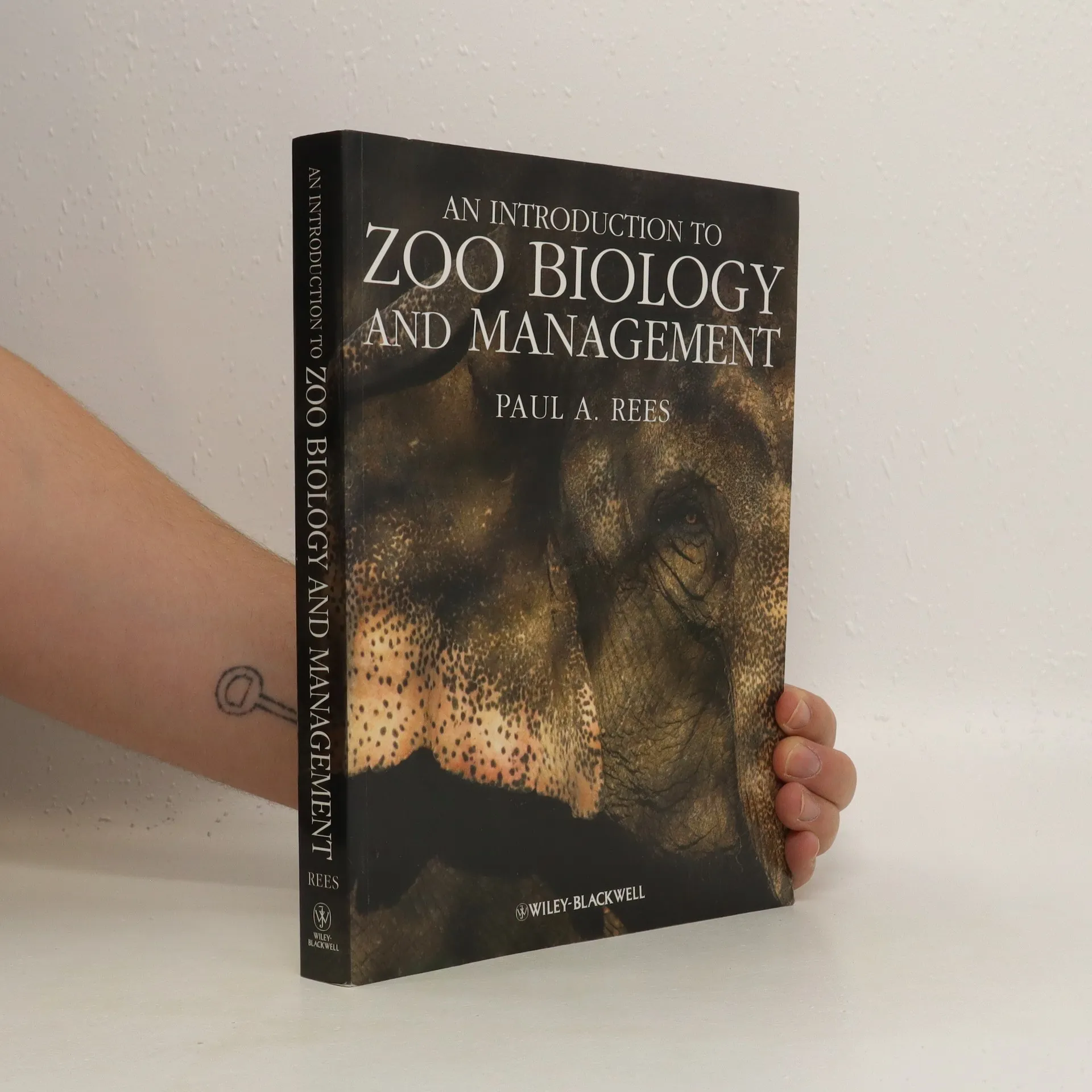
An introduction to zoo biology and management, Paul A. Rees
- Sprache

- Erscheinungsdatum
- 2011
- Einband
- (Paperback)
Hier könnte deine Bewertung stehen.
- Titel
- An introduction to zoo biology and management
- Sprache
- Englisch
- Autor*innen
- Paul A. Rees
- Verlag
- Wiley-Blackwell
- Erscheinungsdatum
- 2011
- Einband
- Paperback
- ISBN10
- 1405193506
- ISBN13
- 9781405193504
- Reihe
- Kategorien
- Bewertung
- 4,1 von 5 Sternen
- Beschreibung
- This book is intended as an introductory text for students studying a wide range of courses concerned with animal management, zoo biology and wildlife conservation, and should also be useful to zookeepers and other zoo professionals. It is divided into three parts. Part 1 considers the function of zoos, their history, how zoos are managed, ethics, zoo legislation and wildlife conservation law. Part 2 discusses the design of zoos and zoo exhibits, animal nutrition, reproduction, animal behaviour (including enrichment and training), animal welfare, veterinary care, animal handling and transportation. Finally, Part 3 discusses captive breeding programmes, genetics, population biology, record keeping, and the educational role of zoos, including a consideration of visitor behaviour. It concludes with a discussion of the role of zoos in the conservation of species in the wild and in species reintroductions. This book takes an international perspective and includes a wide range of examples of the operation of zoos and breeding programmes particularly in the UK, Europe, North America and Australasia.