


Mehr zum Buch
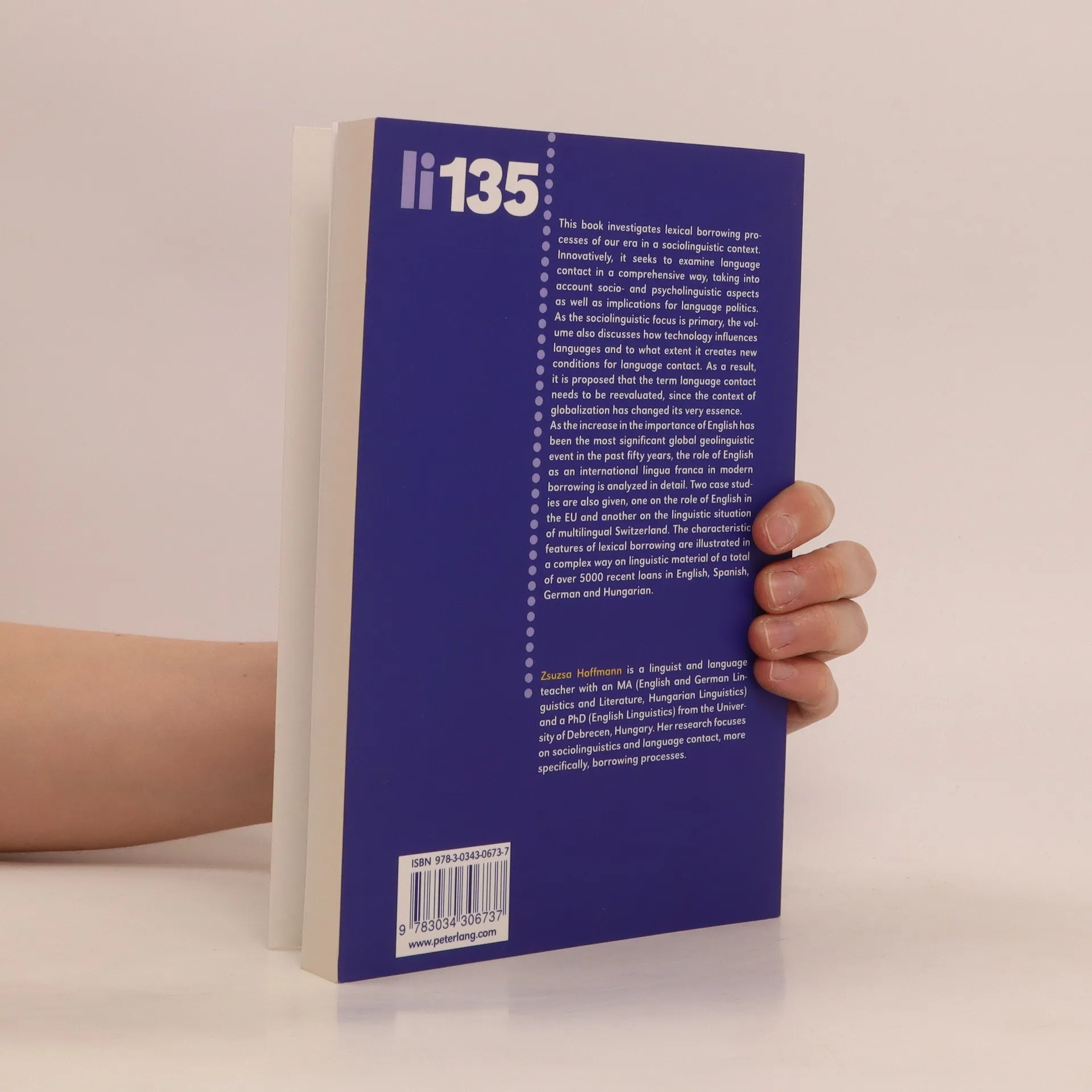
This book investigates lexical borrowing processes of our era in a sociolinguistic context. Innovatively, it seeks to examine language contact in a comprehensive way, taking into account socio- and psycholinguistic aspects as well as implications for language politics. As the sociolinguistic focus is primary, the volume also discusses how technology influences languages and to what extent it creates new conditions for language contact. As a result, it is proposed that the term language contact needs to be reevaluated, since the context of globalization has changed its very essence. As the increase in the importance of English has been the most significant global geolinguistic event in the past fifty years, the role of English as an international lingua franca in modern borrowing is analyzed in detail. Two case studies are also given, one on the role of English in the EU and another on the linguistic situation of multilingual Switzerland. The characteristic features of lexical borrowing are illustrated in a complex way on linguistic material of a total of over 5000 recent loans in English, Spanish, German and Hungarian.
Buchkauf
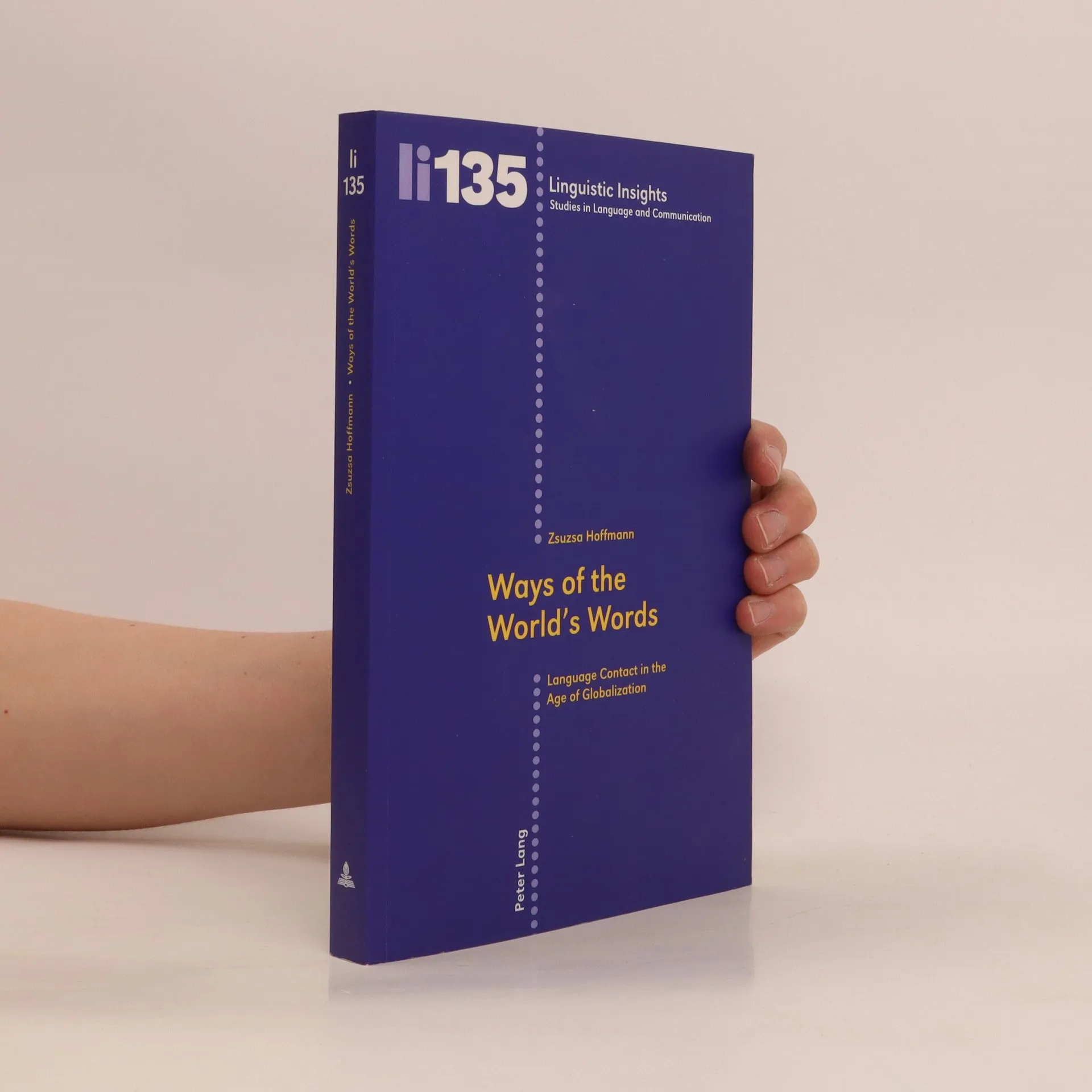
Ways of the world's words : language contact in the age of globalization, Zsuzsa Hoffmann
- Sprache

- Erscheinungsdatum
- 2011
- Einband
- (Paperback)
Keiner hat bisher bewertet.
- Titel
- Ways of the world's words : language contact in the age of globalization
- Sprache
- Englisch
- Autor*innen
- Zsuzsa Hoffmann
- Verlag
- Peter Lang
- Erscheinungsdatum
- 2011
- Einband
- Paperback
- Seitenzahl
- 334
- ISBN10
- 3034306733
- ISBN13
- 9783034306737
- Reihe
- Kuratierte Auswahl
- Linguistic insights
- Kategorien
- Schlagwörter
- Sprachbücher & -lexika
- Beschreibung
- This book investigates lexical borrowing processes of our era in a sociolinguistic context. Innovatively, it seeks to examine language contact in a comprehensive way, taking into account socio- and psycholinguistic aspects as well as implications for language politics. As the sociolinguistic focus is primary, the volume also discusses how technology influences languages and to what extent it creates new conditions for language contact. As a result, it is proposed that the term language contact needs to be reevaluated, since the context of globalization has changed its very essence. As the increase in the importance of English has been the most significant global geolinguistic event in the past fifty years, the role of English as an international lingua franca in modern borrowing is analyzed in detail. Two case studies are also given, one on the role of English in the EU and another on the linguistic situation of multilingual Switzerland. The characteristic features of lexical borrowing are illustrated in a complex way on linguistic material of a total of over 5000 recent loans in English, Spanish, German and Hungarian.