



Parameter
Mehr zum Buch
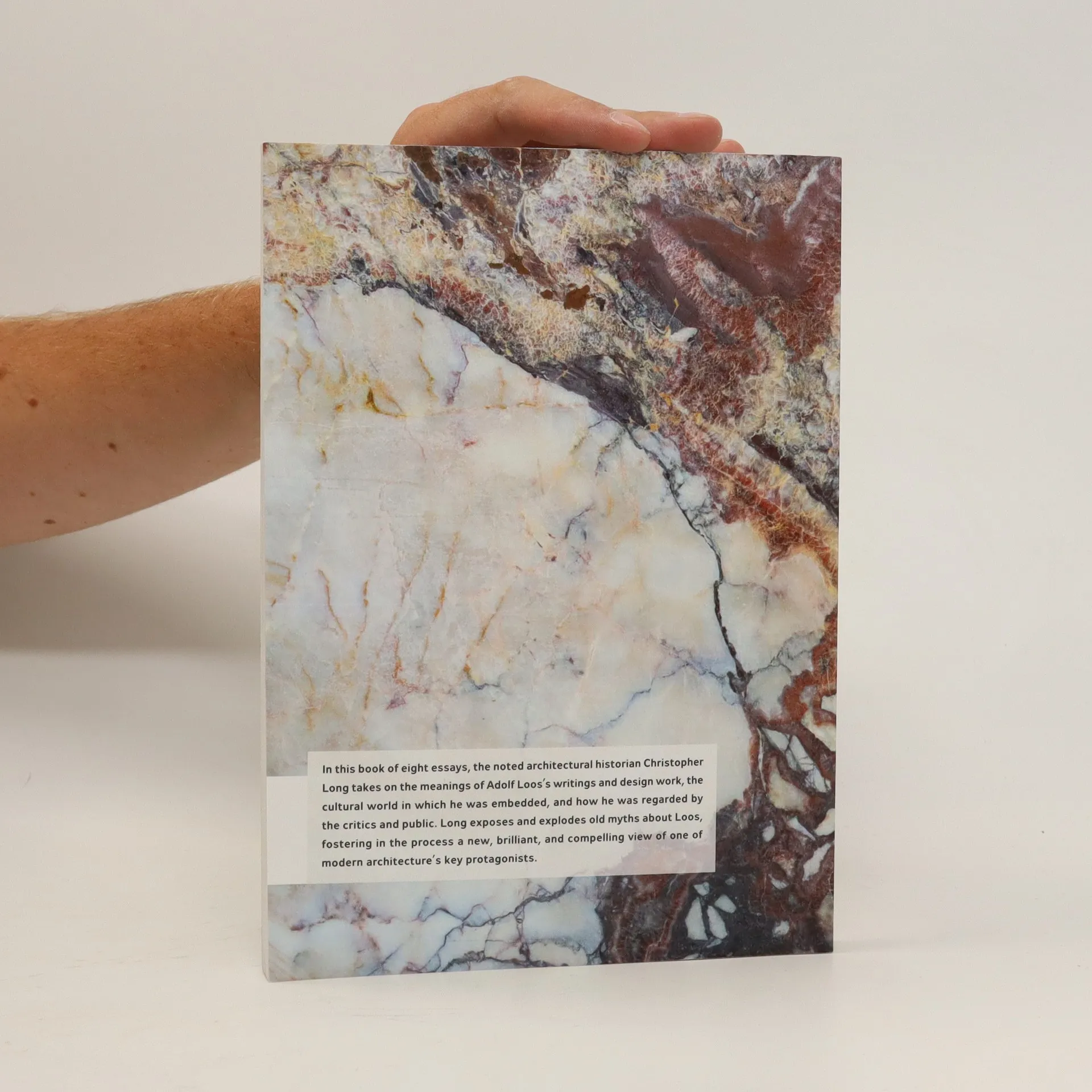
In this collection of essays, architectural historian Christopher Long examines some of the many influences that shaped the work of the architect Adolf Loos (1870-1933). Long's essays on subjects such as Loos' time in America and his famous essay "Ornament and Crime" are brief excursions into Loos' rich and complex intellectual world, and an attempt to shed light on an important time in the history of architecture and design. Long is deeply interested in Loos as an architect, but he is even more drawn to his profound and unique intellect, and to the clarity of mind with which Loos managed to probe and understand the realities of modern life. Loos saw that "the problem of modernism was not the problem of style, but the problem of understanding how the world was changing."
Buchkauf
Adolf Loos: Meaning, Context, Reception, Christopher Alan Long
- Sprache

- Erscheinungsdatum
- 2022
- Einband
- (Paperback)
Hier könnte deine Bewertung stehen.
- Titel
- Adolf Loos: Meaning, Context, Reception
- Sprache
- Englisch
- Autor*innen
- Christopher Alan Long
- Verlag
- KANT
- Erscheinungsdatum
- 2022
- Einband
- Paperback
- ISBN10
- 8074372774
- ISBN13
- 9788074372773
- Reihe
- Schlagwörter
- Bildende Kunst
- Bewertung
- 4 von 5 Sternen
- Beschreibung
- In this collection of essays, architectural historian Christopher Long examines some of the many influences that shaped the work of the architect Adolf Loos (1870-1933). Long's essays on subjects such as Loos' time in America and his famous essay "Ornament and Crime" are brief excursions into Loos' rich and complex intellectual world, and an attempt to shed light on an important time in the history of architecture and design. Long is deeply interested in Loos as an architect, but he is even more drawn to his profound and unique intellect, and to the clarity of mind with which Loos managed to probe and understand the realities of modern life. Loos saw that "the problem of modernism was not the problem of style, but the problem of understanding how the world was changing."