

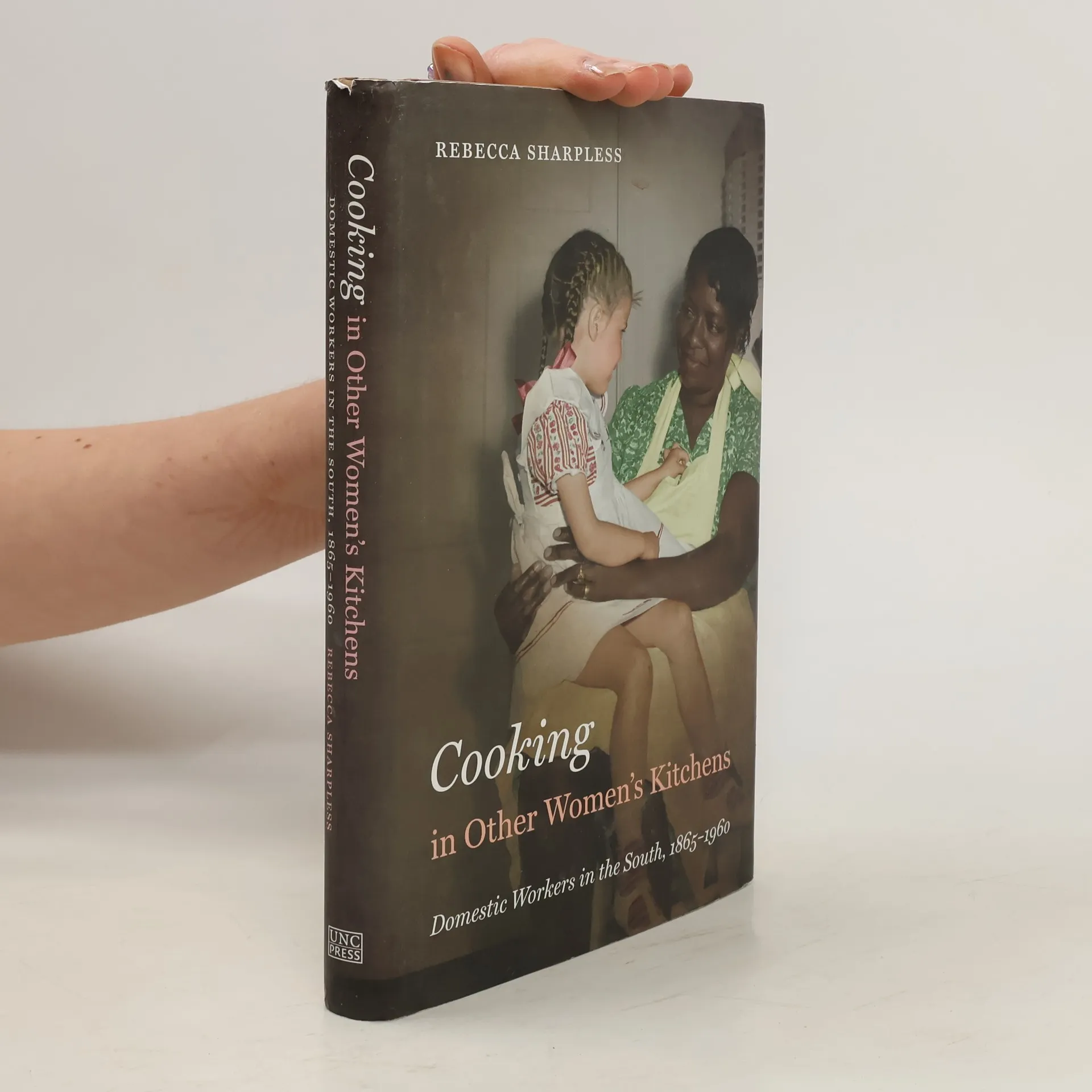
Mehr zum Buch
As African American women left slavery and the plantation economy behind, many entered domestic service in southern cities and towns. Cooking was one of the primary jobs they performed in white employers' homes, feeding generations of white families and, in the process, profoundly shaping southern foodways and culture. Rebecca Sharpless argues that, in the face of discrimination, long workdays, and low wages, African American cooks worked to assert measures of control over their own lives and to maintain spaces for their own families despite the demands of employers and the restrictions of segregation. Sharpless also shows how these women's employment served as a bridge from old labor arrangements to new ones. As opportunities expanded in the twentieth century, most African American women chose to leave cooking for more lucrative and less oppressive manufacturing, clerical, or professional positions. Through letters, autobiography, and oral history, this book evokes Afr
Buchkauf
Cooking in Other Women's Kitchens, Rebecca A Sharpless
- Sprache

- Erscheinungsdatum
- 2010
- Einband
- (Hardcover)
Hier könnte deine Bewertung stehen.
- Titel
- Cooking in Other Women's Kitchens
- Sprache
- Englisch
- Autor*innen
- Rebecca A Sharpless
- Erscheinungsdatum
- 2010
- Einband
- Hardcover
- ISBN10
- 0807834327
- ISBN13
- 9780807834329
- Reihe
- Schlagwörter
- Historisches Thema, Essen, Geschichte der USA, Postgraduales Studium
- Bewertung
- 3,95 von 5 Sternen
- Beschreibung
- As African American women left slavery and the plantation economy behind, many entered domestic service in southern cities and towns. Cooking was one of the primary jobs they performed in white employers' homes, feeding generations of white families and, in the process, profoundly shaping southern foodways and culture. Rebecca Sharpless argues that, in the face of discrimination, long workdays, and low wages, African American cooks worked to assert measures of control over their own lives and to maintain spaces for their own families despite the demands of employers and the restrictions of segregation. Sharpless also shows how these women's employment served as a bridge from old labor arrangements to new ones. As opportunities expanded in the twentieth century, most African American women chose to leave cooking for more lucrative and less oppressive manufacturing, clerical, or professional positions. Through letters, autobiography, and oral history, this book evokes Afr