

Mehr zum Buch
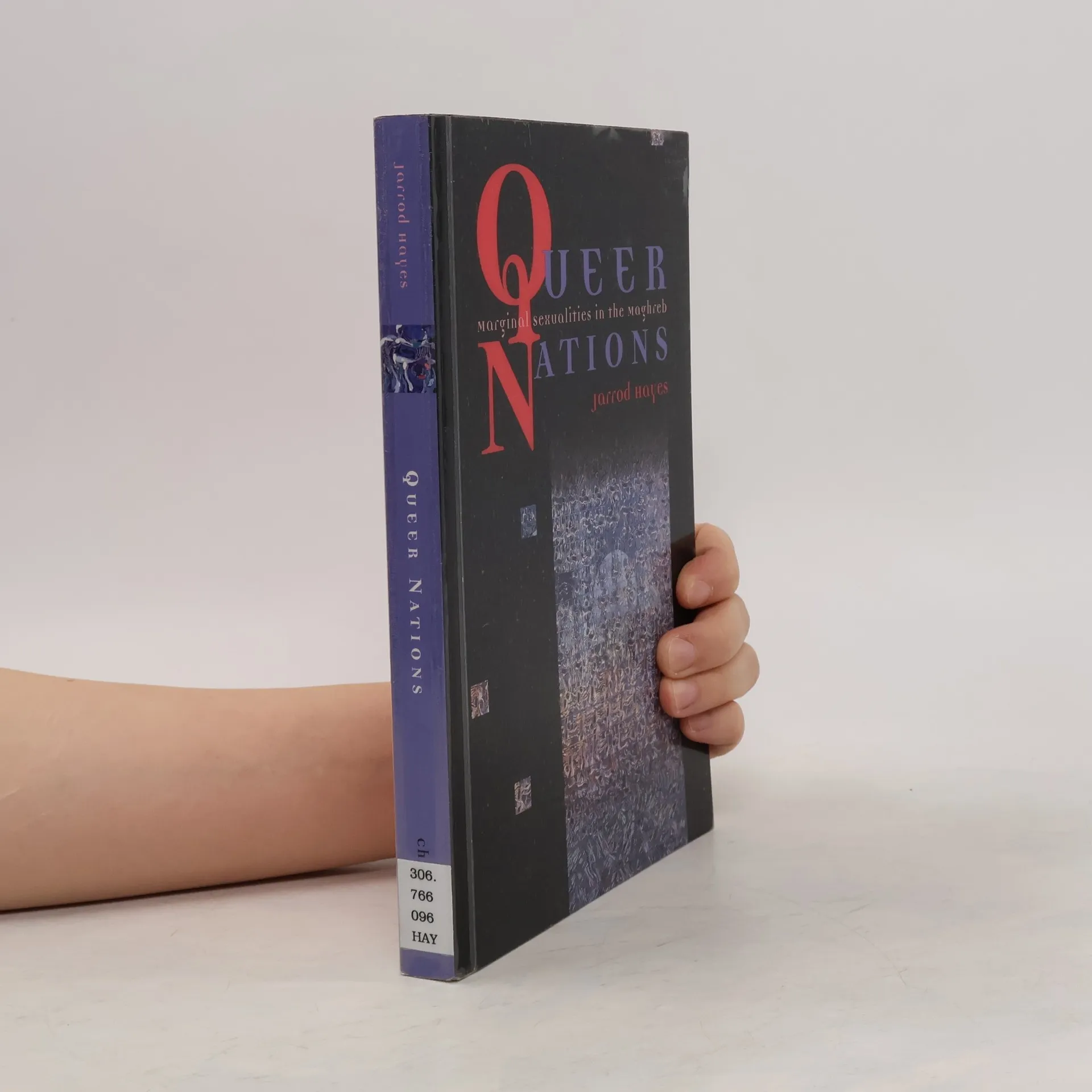
The Maghreb (Morocco, Algeria, Tunisia) has been inhabited for millennia by a heterogeneous populace. However, in the wake of World War II, when independence movements began to gain momentum in these French colonies, the dominant national discourses attempted to define national identities by exclusion. One rallying cry from the 1930s was "Islam is my religion, Arabic is my language, Algeria is my fatherland."In this incisive postcolonial study, Jarrod Hayes uses literary analysis to examine how Francophone novelists from the Maghreb engaged in a diametric nation-building project. Their works imagined a diverse nation peopled by those who were excluded by the dominant political discourses, especially those who did not conform to traditional sexual norms. By incorporating representations of marginal sexualities, sexual dissidence, and gender insubordination, Maghrebian novelists imagined an anticolonial struggle that would result in sexual liberation and envisioned nations that could be defined and developed inclusively.
Buchkauf
Queer nations, Jarrod Hayes
- Sprache

- Erscheinungsdatum
- 2000
- Einband
- (Paperback)
Hier könnte deine Bewertung stehen.
- Titel
- Queer nations
- Untertitel
- Marginal sexualities in the Maghreb
- Sprache
- Englisch
- Autor*innen
- Jarrod Hayes
- Erscheinungsdatum
- 2000
- Einband
- Paperback
- Seitenzahl
- 322
- ISBN10
- 0226321061
- ISBN13
- 9780226321066
- Reihe
- Schlagwörter
- LGBTQ+ Literatur, Marokko, Nordafrika, Postkolonialismus
- Bewertung
- 3,65 von 5 Sternen
- Beschreibung
- The Maghreb (Morocco, Algeria, Tunisia) has been inhabited for millennia by a heterogeneous populace. However, in the wake of World War II, when independence movements began to gain momentum in these French colonies, the dominant national discourses attempted to define national identities by exclusion. One rallying cry from the 1930s was "Islam is my religion, Arabic is my language, Algeria is my fatherland."In this incisive postcolonial study, Jarrod Hayes uses literary analysis to examine how Francophone novelists from the Maghreb engaged in a diametric nation-building project. Their works imagined a diverse nation peopled by those who were excluded by the dominant political discourses, especially those who did not conform to traditional sexual norms. By incorporating representations of marginal sexualities, sexual dissidence, and gender insubordination, Maghrebian novelists imagined an anticolonial struggle that would result in sexual liberation and envisioned nations that could be defined and developed inclusively.