



Mehr zum Buch
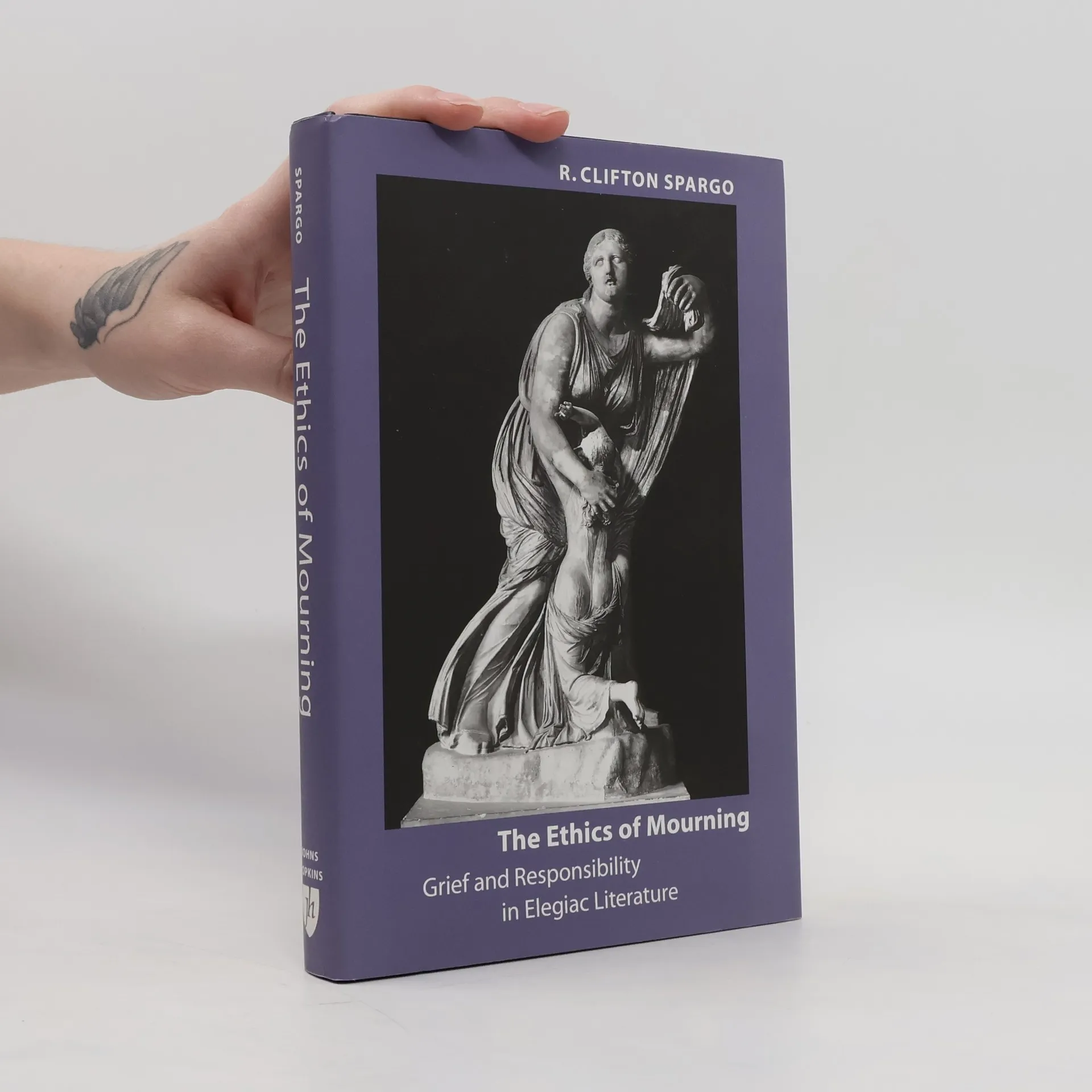
"Beginning from a reevaluation of famously inconsolable mourners ranging from Niobe to Hamlet, R. Clifton Spargo discerns the tendency of all grief to depend at least temporarily upon the refusal of consolation. By disrupting the traditional social and psychological functions of grief, the resistant mourner transforms mourning into a profoundly ethical act. Spargo finds such examples of ethical mourning in opposition to socially acceptable expressions of grief throughout the English and American elegiac tradition. Drawing on the work of Paul Ricoeur, Bernard Williams, and Emmanuel Levinas, his book explores the ethical dimensions of anti-consolatory grief through astute readings of a wide range of texts - including Hamlet and works by Milton and Renaissance elegists; more recent poetry by Dickinson, Shelley, and Hardy; and American Holocaust elegies by Sylvia Plath and Randall Jarrell."--Jacket
Buchkauf
The Ethics of Mourning, Spargo R. Clifton
- Sprache

- Erscheinungsdatum
- 2004
- Einband
- (Hardcover)
Hier könnte deine Bewertung stehen.
- Titel
- The Ethics of Mourning
- Untertitel
- Grief and Responsibility in Elegiac Literature
- Sprache
- Englisch
- Autor*innen
- Spargo R. Clifton
- Verlag
- JHU Press
- Erscheinungsdatum
- 2004
- Einband
- Hardcover
- Seitenzahl
- 338
- ISBN10
- 0801879779
- ISBN13
- 9780801879777
- Reihe
- Schlagwörter
- Bewertung
- 4,15 von 5 Sternen
- Beschreibung
- "Beginning from a reevaluation of famously inconsolable mourners ranging from Niobe to Hamlet, R. Clifton Spargo discerns the tendency of all grief to depend at least temporarily upon the refusal of consolation. By disrupting the traditional social and psychological functions of grief, the resistant mourner transforms mourning into a profoundly ethical act. Spargo finds such examples of ethical mourning in opposition to socially acceptable expressions of grief throughout the English and American elegiac tradition. Drawing on the work of Paul Ricoeur, Bernard Williams, and Emmanuel Levinas, his book explores the ethical dimensions of anti-consolatory grief through astute readings of a wide range of texts - including Hamlet and works by Milton and Renaissance elegists; more recent poetry by Dickinson, Shelley, and Hardy; and American Holocaust elegies by Sylvia Plath and Randall Jarrell."--Jacket