


Mehr zum Buch
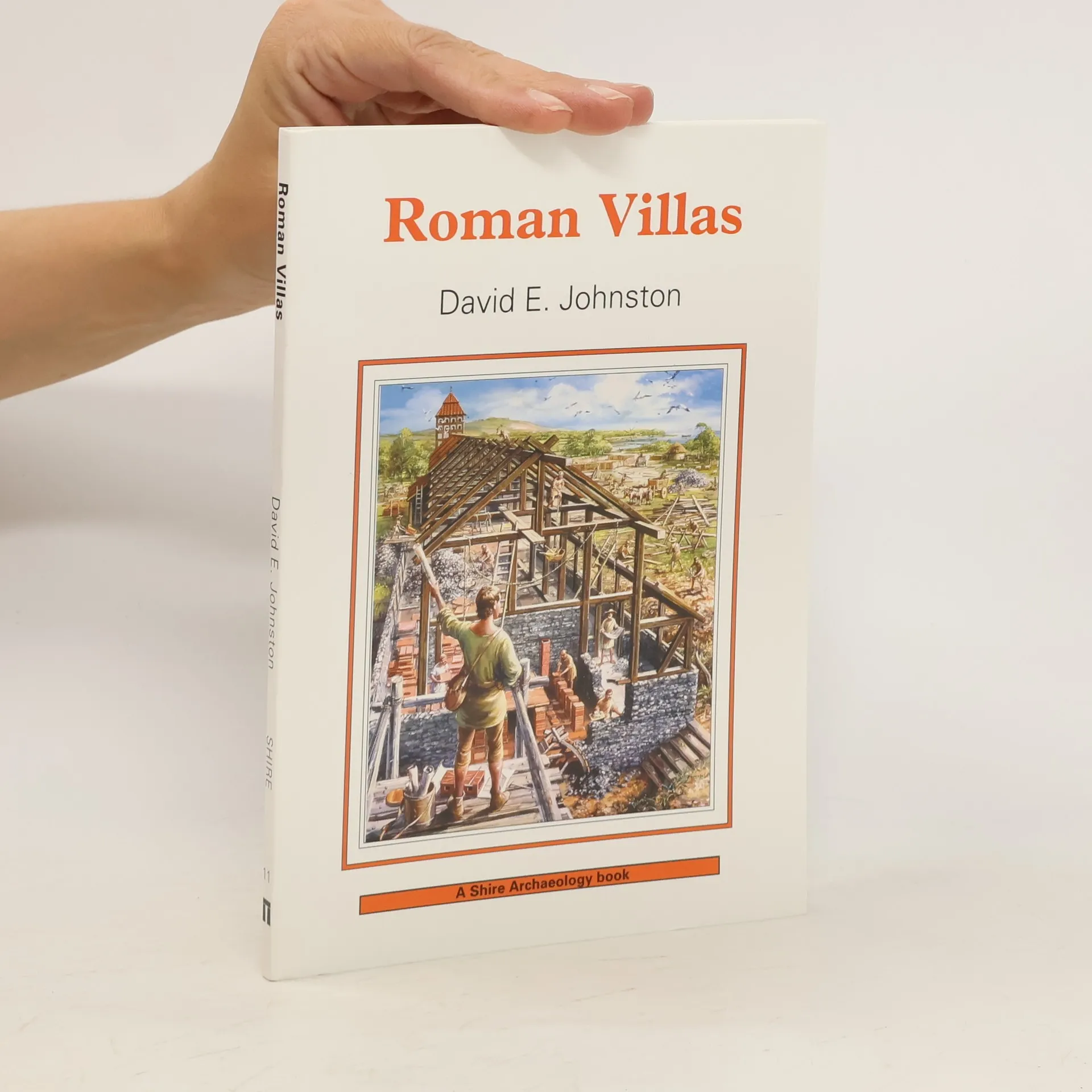
To many people, villas symbolize the life of luxury in the countryside of Roman Britain: mosaics and wall paintings, dining rooms and sumptuous baths. As this book reveals, however, they were not simply the country houses of prosperous Britons who had learnt the ways of Rome; villas as farms were the most efficient means of producing both goods for market in the new towns and revenue for the tax collector. By exploring the villa estate, its management, fields, equipment, and outbuildings, Roman archaeological expert David E. Johnston differentiates those villas that may have been held by tenant farmers, managed by bailiffs for absentee landowners, or occupied as country homes of the wealthy elite. He considers the interdependence of villas and towns and examines the fate of their estates when Roman rule ended, drawing upon examples from sites that may be seen today, where the visitor may catch a glimpse of the richness and variety of life in the countryside of Roman Britain.
Buchkauf
Roman Villas, David E. Johnston
- Sprache

- Erscheinungsdatum
- 2008
- Einband
- (Paperback)
Hier könnte deine Bewertung stehen.
- Titel
- Roman Villas
- Sprache
- Englisch
- Autor*innen
- David E. Johnston
- Verlag
- Shire Publications
- Erscheinungsdatum
- 2008
- Einband
- Paperback
- Seitenzahl
- 72
- ISBN10
- 0747806004
- ISBN13
- 9780747806004
- Reihe
- Schlagwörter
- Altertum, Archäologie, Römisches Reich, Römische Zeit
- Bewertung
- 4,15 von 5 Sternen
- Beschreibung
- To many people, villas symbolize the life of luxury in the countryside of Roman Britain: mosaics and wall paintings, dining rooms and sumptuous baths. As this book reveals, however, they were not simply the country houses of prosperous Britons who had learnt the ways of Rome; villas as farms were the most efficient means of producing both goods for market in the new towns and revenue for the tax collector. By exploring the villa estate, its management, fields, equipment, and outbuildings, Roman archaeological expert David E. Johnston differentiates those villas that may have been held by tenant farmers, managed by bailiffs for absentee landowners, or occupied as country homes of the wealthy elite. He considers the interdependence of villas and towns and examines the fate of their estates when Roman rule ended, drawing upon examples from sites that may be seen today, where the visitor may catch a glimpse of the richness and variety of life in the countryside of Roman Britain.