

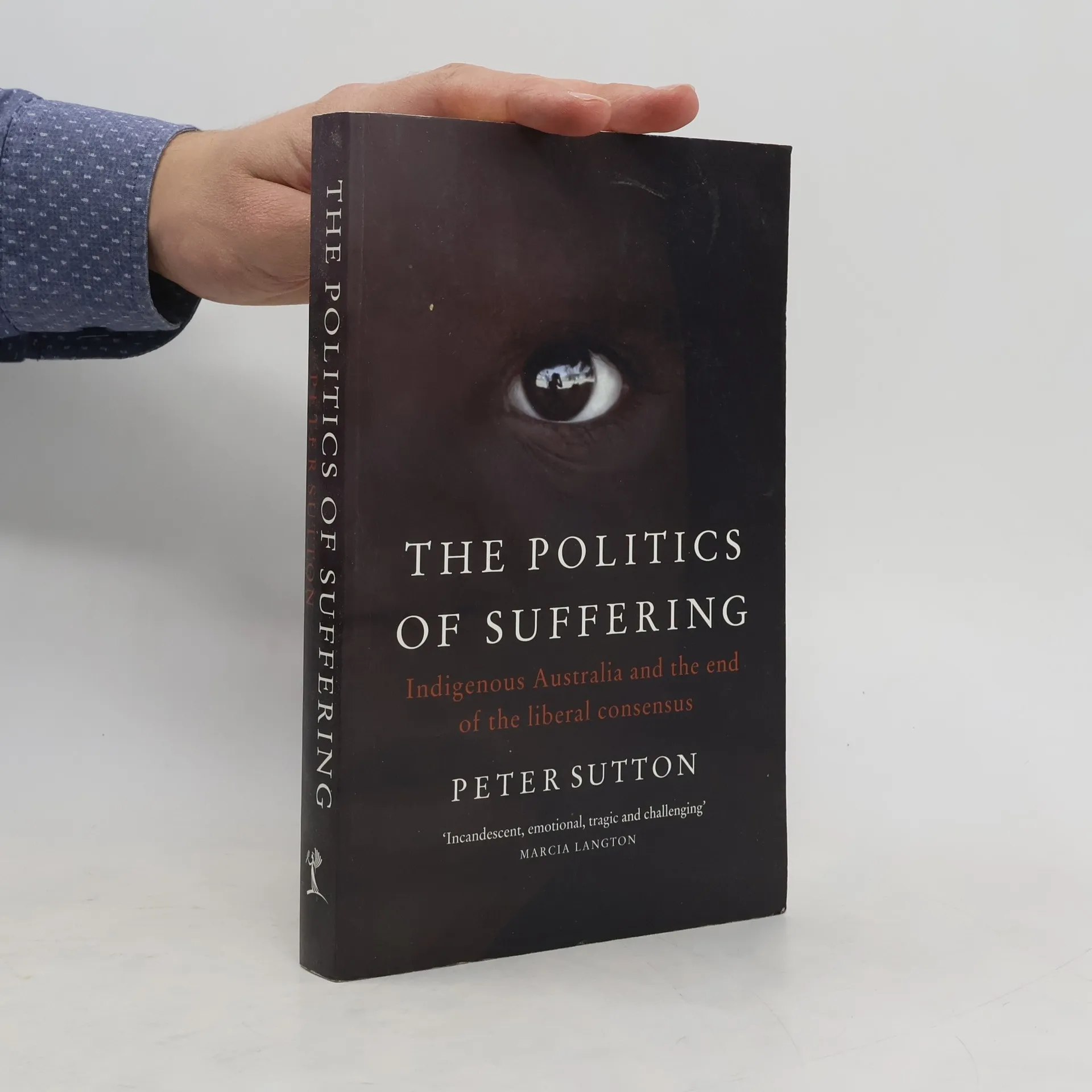
The politics of suffering
indigenous Australia and the end of the liberal consensus
Autor*innen
Buchbewertung
Mehr zum Buch
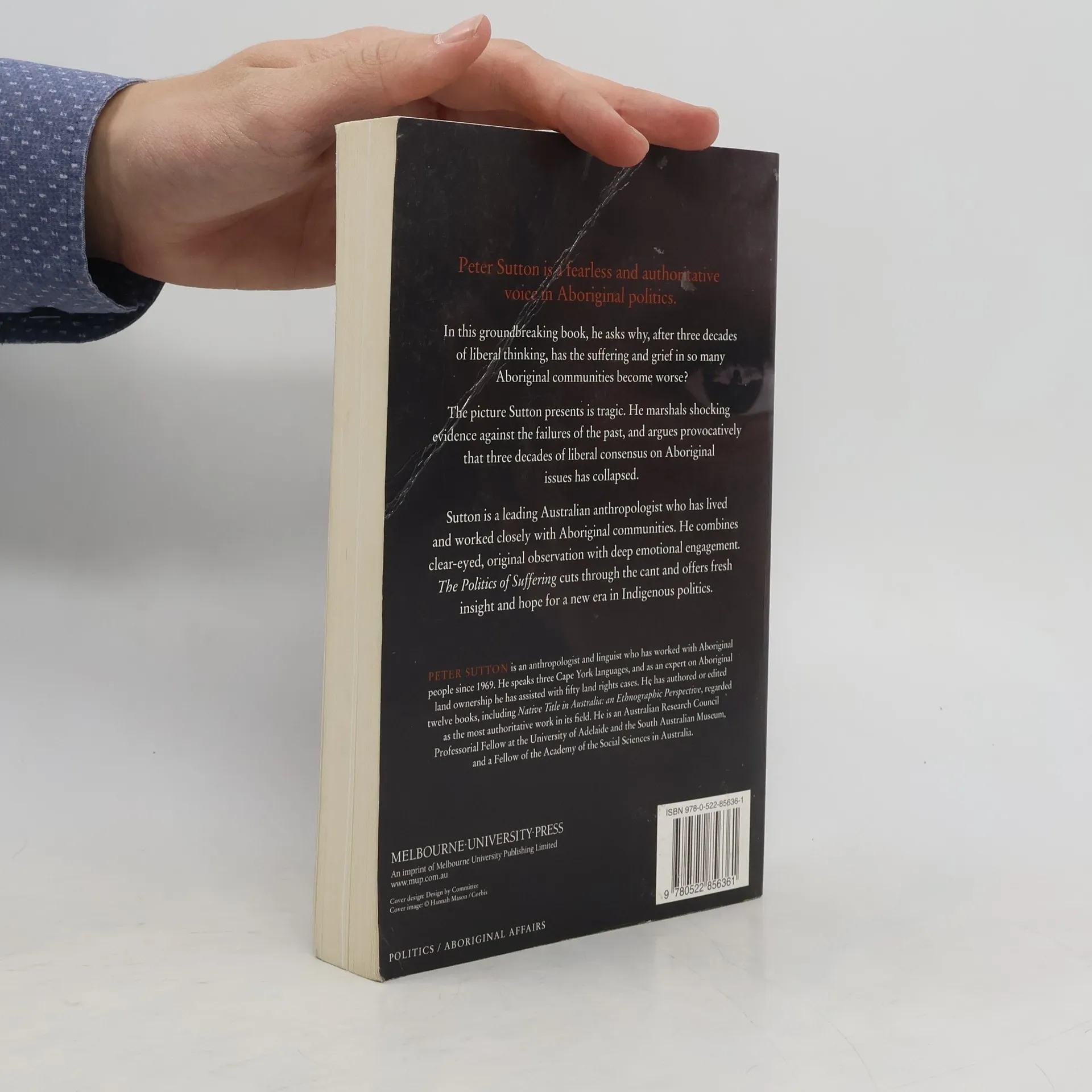
Combining original observation with deep emotional engagement, this provocative book argues that, despite claims to the contrary, the quality of life of indigenous Australians did not improve between 1970 and the year 2000. Debunking past attempts to improve the tragic situation of many Aboriginal communities, this record discusses the reforms that granted land rights and encouraged traditional cultures, in the hope that this empowerment would be beneficial. Erroneously, however, this same period saw a decline in safety, health, literacy, numeracy, and employment within the Aboriginal community. Groundbreaking and informative, this document offers fresh insight and hope for a new era in indigenous politics.
Buchkauf
The politics of suffering, Peter C. Sutton
- Sprache

- Erscheinungsdatum
- 2009
- Einband
- (Paperback)
Hier könnte deine Bewertung stehen.
- Titel
- The politics of suffering
- Untertitel
- indigenous Australia and the end of the liberal consensus
- Sprache
- Englisch
- Autor*innen
- Peter C. Sutton
- Verlag
- Melbourne University
- Erscheinungsdatum
- 2009
- Einband
- Paperback
- Seitenzahl
- 268
- ISBN10
- 0522856365
- ISBN13
- 9780522856361
- Reihe
- Schlagwörter
- Historisches Thema
- Bewertung
- 3,8 von 5 Sternen
- Beschreibung
- Combining original observation with deep emotional engagement, this provocative book argues that, despite claims to the contrary, the quality of life of indigenous Australians did not improve between 1970 and the year 2000. Debunking past attempts to improve the tragic situation of many Aboriginal communities, this record discusses the reforms that granted land rights and encouraged traditional cultures, in the hope that this empowerment would be beneficial. Erroneously, however, this same period saw a decline in safety, health, literacy, numeracy, and employment within the Aboriginal community. Groundbreaking and informative, this document offers fresh insight and hope for a new era in indigenous politics.