

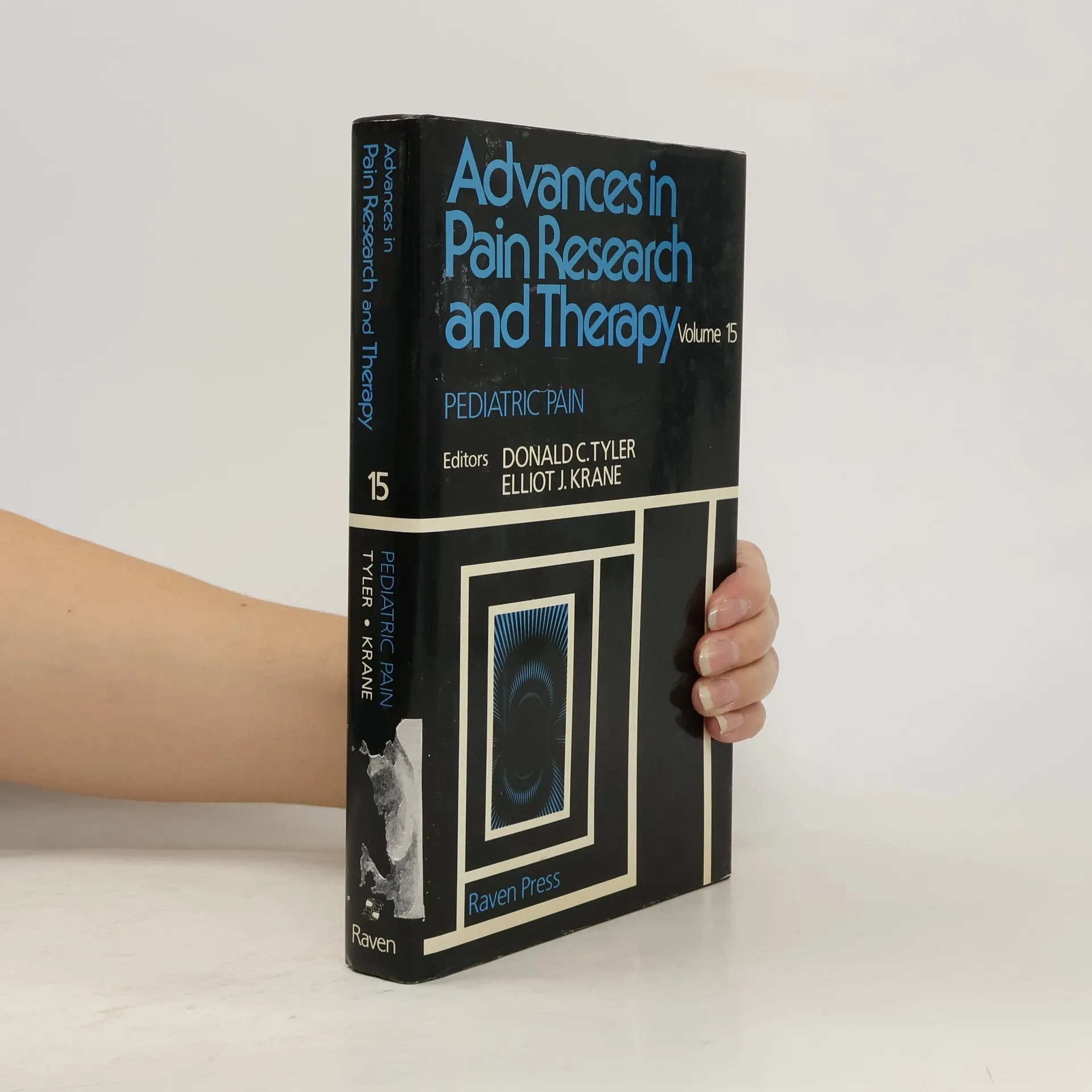


Pediatric Pain
Autor*innen
Mehr zum Buch
This multidisciplinary volume examines current strategies for assessing and controlling acute pain, chronic nonmalignant pain, and cancer pain in infants, children, and adolescents. The contributors present practical guidelines for pain assessment in children and evaluate pain measurement tools such as the pain ladder, the poker chip tool, the visual analog scale, and a Smiley analog scale. The special problems posed by pain in the neonate are also addressed.Close attention is given to the use of opioids, regional anesthesia, conduction block, postoperative continuous regional analgesia, and the fentanyl lollipop in acute pain management, as well as to behavioral and cognitive strategies for pediatric pain control. Several studies assess the efficacy of flunarizine versus acetylsalicylic acid in migraine prophylaxis and of relaxation training and behavioral treatment for recurrent headaches. The contributors also discuss the management of reflex sympathetic dystrophy, pain associated with sickle cell disease, and cancer pain.
Buchkauf
Pediatric Pain, Donald C. Tyler, Elliot J. Krane
- Sprache

- Erscheinungsdatum
- 1990
- Einband
- (Hardcover)
Keiner hat bisher bewertet.
- Titel
- Pediatric Pain
- Sprache
- Englisch
- Autor*innen
- Donald C. Tyler, Elliot J. Krane
- Verlag
- Raven Press
- Erscheinungsdatum
- 1990
- Einband
- Hardcover
- Seitenzahl
- 404
- ISBN10
- 0881675849
- ISBN13
- 9780881675849
- Reihe
- Kategorien
- Schlagwörter
- Medizin & Gesundheit, Medizin
- Beschreibung
- This multidisciplinary volume examines current strategies for assessing and controlling acute pain, chronic nonmalignant pain, and cancer pain in infants, children, and adolescents. The contributors present practical guidelines for pain assessment in children and evaluate pain measurement tools such as the pain ladder, the poker chip tool, the visual analog scale, and a Smiley analog scale. The special problems posed by pain in the neonate are also addressed.Close attention is given to the use of opioids, regional anesthesia, conduction block, postoperative continuous regional analgesia, and the fentanyl lollipop in acute pain management, as well as to behavioral and cognitive strategies for pediatric pain control. Several studies assess the efficacy of flunarizine versus acetylsalicylic acid in migraine prophylaxis and of relaxation training and behavioral treatment for recurrent headaches. The contributors also discuss the management of reflex sympathetic dystrophy, pain associated with sickle cell disease, and cancer pain.