


Mehr zum Buch
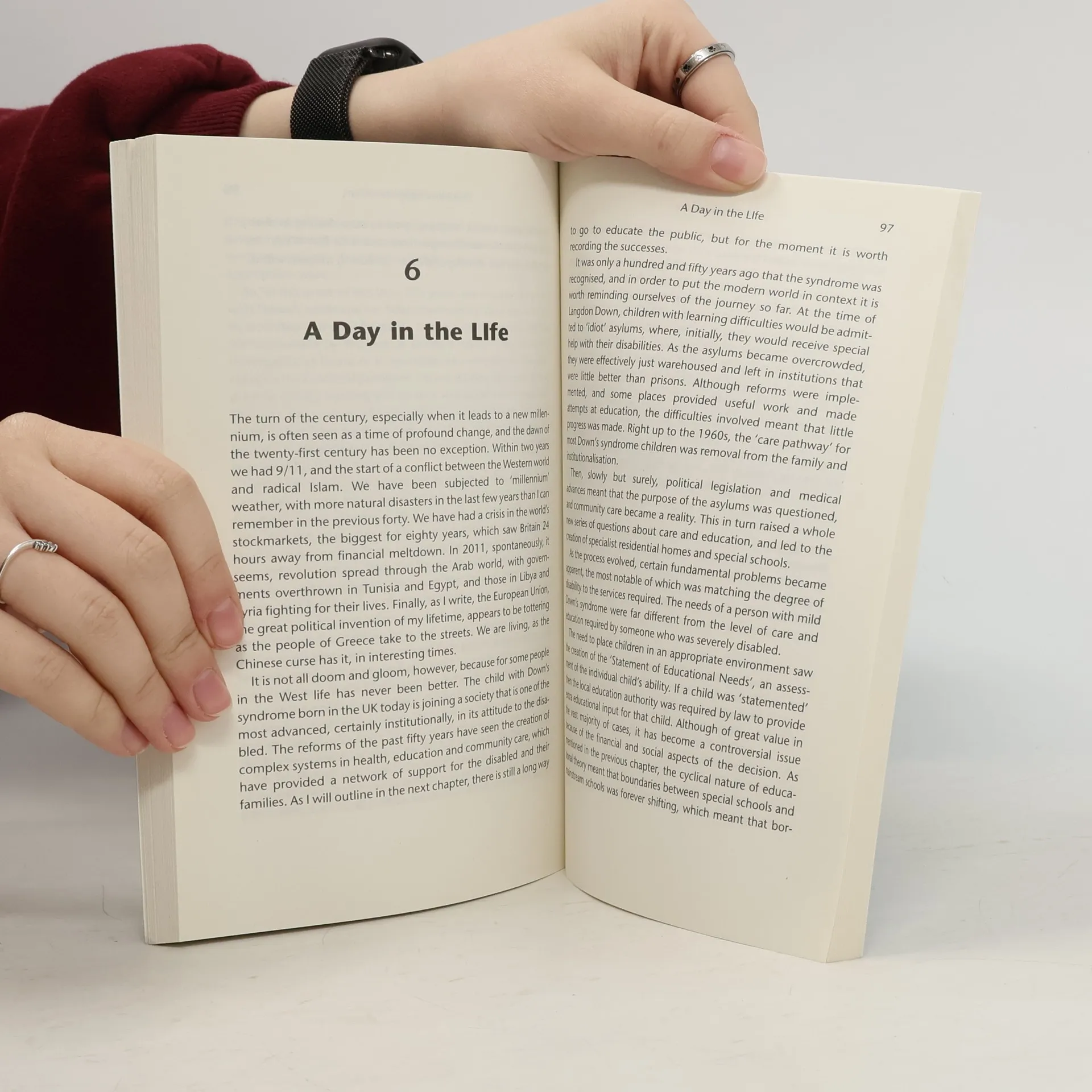
Down's Syndrome: The Biography presents an accessible and entirely necessary back history of Down's Syndrome: the genetic condition diagnosed by John Langdon Down that continues to affect a significant number of adults and children across the globe. The story begins in Cornwall, the birth place of Langdon Down, and travels back and forth through the ages, from the Aztecs and the 'idiots' of the Medieval period, through the revolutions in science and medicine in the 18th and 19th centuries and their impact on contemporary thought about learning disability and mental illness, to the asylum movement, eugenics and subsequent post-war policies of inclusion and community provision. The book is thoroughly researched, and has compassion at its core, but avoids taking on an overly judgemental or sentimental tone. Instead, Chris Nancollas' writing is lively, witty and truly engaging, making for a fascinating and genuinely worthwhile read.
Buchkauf
Down Syndrome, Dr Chris Nancollas
- Sprache

- Erscheinungsdatum
- 2011
- Einband
- (Paperback)
Keiner hat bisher bewertet.
- Titel
- Down Syndrome
- Sprache
- Englisch
- Autor*innen
- Dr Chris Nancollas
- Verlag
- Darton Longman and Todd
- Erscheinungsdatum
- 2011
- Einband
- Paperback
- Seitenzahl
- 160
- ISBN10
- 0232528802
- ISBN13
- 9780232528800
- Reihe
- Kategorien
- Schlagwörter
- Historisches Thema, Medizin & Gesundheit, Medizin, Krankheiten, Down-Syndrom
- Beschreibung
- Down's Syndrome: The Biography presents an accessible and entirely necessary back history of Down's Syndrome: the genetic condition diagnosed by John Langdon Down that continues to affect a significant number of adults and children across the globe. The story begins in Cornwall, the birth place of Langdon Down, and travels back and forth through the ages, from the Aztecs and the 'idiots' of the Medieval period, through the revolutions in science and medicine in the 18th and 19th centuries and their impact on contemporary thought about learning disability and mental illness, to the asylum movement, eugenics and subsequent post-war policies of inclusion and community provision. The book is thoroughly researched, and has compassion at its core, but avoids taking on an overly judgemental or sentimental tone. Instead, Chris Nancollas' writing is lively, witty and truly engaging, making for a fascinating and genuinely worthwhile read.