

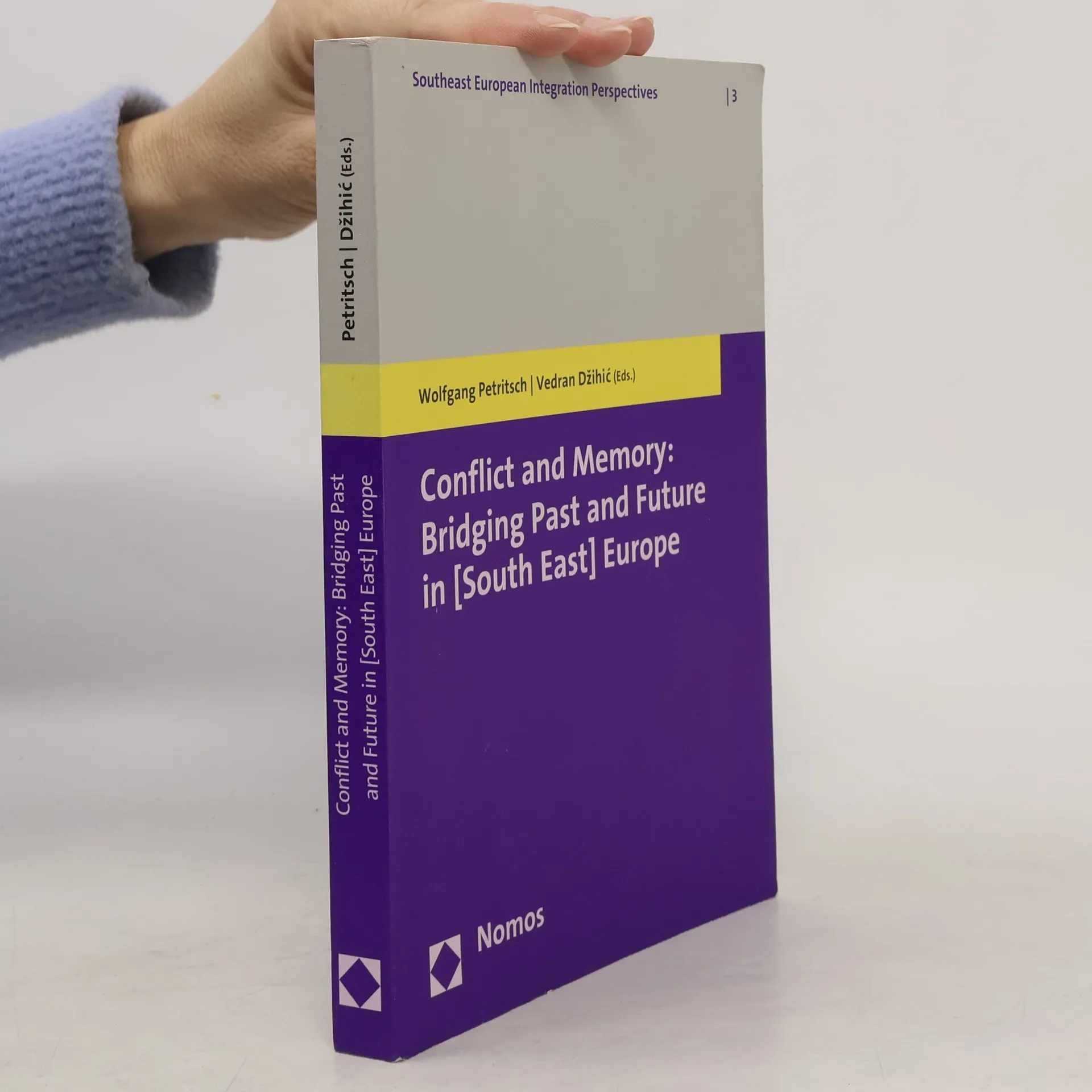
Southeast European Integration Perspectives - 3: Conflict and Memory: Bridging Past and Future in (South East) Europe
Mehr zum Buch
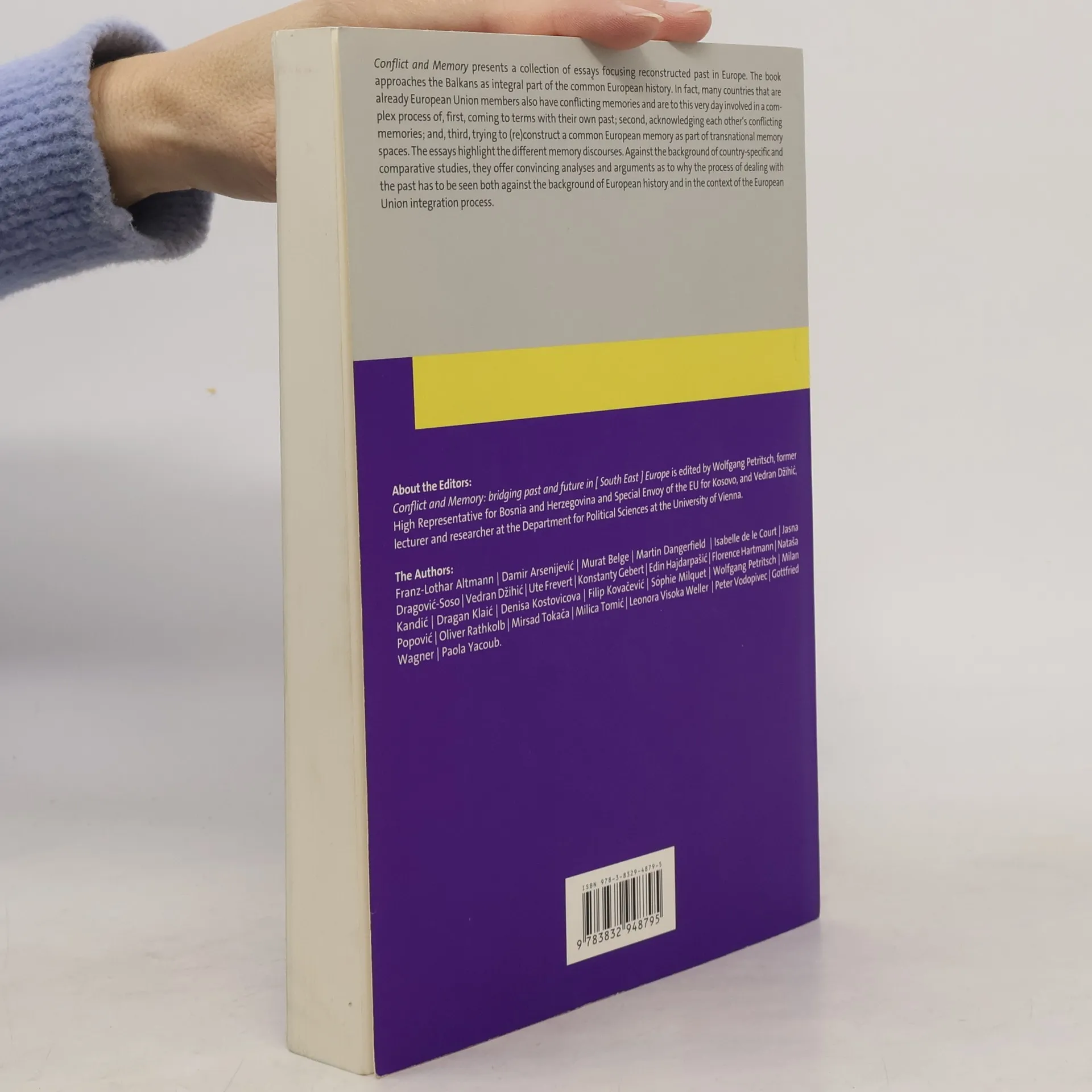
Conflict and Memory presents a collection of essays focusing reconstructed past in Europe. The book approaches the Balkans as integral part of the common European history. In fact, many countries that are already European Union members also have conflicting memories and are to this very day involved in a complex process of, first, coming to terms with their own past; second, acknowledging each other"s conflicting memories; and, third, trying to (re)construct a common European memory as part of transnational memory spaces. The essays highlight the different memory discourses. Against the background of country-specific and comparative studies, they offer convincing analyses and arguments as to why the process of dealing with the past has to be seen both against the background of European history and in the context of the European Union integration process.
Buchkauf
Southeast European Integration Perspectives - 3: Conflict and Memory: Bridging Past and Future in (South East) Europe, Wolfgang Petritsch, Christophe Solioz, Vedran Džihić, Franz-Lothar Altmann
- Sprache

- Erscheinungsdatum
- 2010
- Einband
- (Paperback)
Keiner hat bisher bewertet.
- Titel
- Southeast European Integration Perspectives - 3: Conflict and Memory: Bridging Past and Future in (South East) Europe
- Sprache
- Englisch
- Autor*innen
- Wolfgang Petritsch, Christophe Solioz, Vedran Džihić, Franz-Lothar Altmann
- Verlag
- Nomos
- Erscheinungsdatum
- 2010
- Einband
- Paperback
- Seitenzahl
- 326
- ISBN10
- 3832948791
- ISBN13
- 9783832948795
- Reihe
- Schlagwörter
- Historisches Thema, Politik, Deutschland
- Beschreibung
- Conflict and Memory presents a collection of essays focusing reconstructed past in Europe. The book approaches the Balkans as integral part of the common European history. In fact, many countries that are already European Union members also have conflicting memories and are to this very day involved in a complex process of, first, coming to terms with their own past; second, acknowledging each other"s conflicting memories; and, third, trying to (re)construct a common European memory as part of transnational memory spaces. The essays highlight the different memory discourses. Against the background of country-specific and comparative studies, they offer convincing analyses and arguments as to why the process of dealing with the past has to be seen both against the background of European history and in the context of the European Union integration process.