



Mehr zum Buch
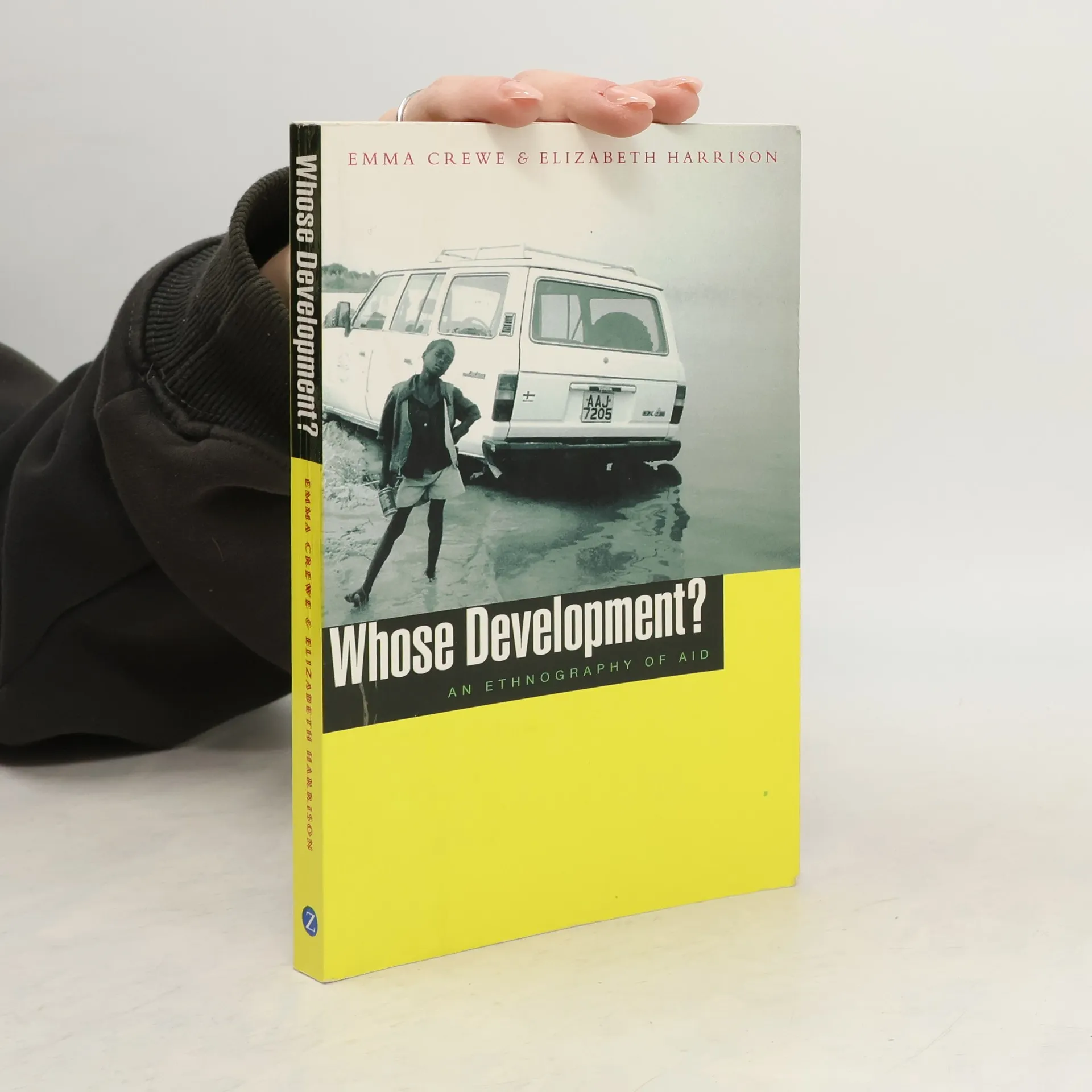
The 'anthropology of development' challenges established ideas in development thought and practice. The authors draw on their experiences with aid projects in Africa and Asia to scrutinize deep-seated assumptions held by 'developers'. Flawed beliefs about progress, gender, technology, partnership, motivation, culture, and race persist, creating significant gaps between these assumptions and the actual policies and practices in development. Through ethnographic case studies from an international NGO and a multilateral agency, the authors examine interactions among expatriate development personnel, local officials, and aid beneficiaries. They highlight how power inequalities related to race, class, and gender manifest in aid processes. This work is nuanced, questioning the simplistic divide between 'developers' and 'beneficiaries'. The authors challenge the perceived monolithic power of developers, advocating for a more complex understanding of the relationships within the aid industry. While avoiding simplistic solutions, the book enriches our comprehension of the cultural and structural dynamics at play in the development process.
Buchkauf
Whose Development?, Elizabeth Harrison, Emma Crewe
- Sprache

- Erscheinungsdatum
- 1998
- Einband
- (Paperback)
Hier könnte deine Bewertung stehen.
- Titel
- Whose Development?
- Untertitel
- An Ethnography of Aid
- Sprache
- Englisch
- Autor*innen
- Elizabeth Harrison, Emma Crewe
- Verlag
- Zed Books
- Erscheinungsdatum
- 1998
- Einband
- Paperback
- Seitenzahl
- 224
- ISBN10
- 1856496066
- ISBN13
- 9781856496063
- Reihe
- Kategorien
- Schlagwörter
- Handel, Rechtsthematik, Gesellschaft, Afrika, Asien, Ethnographie, Politische Theorien, Internationale Beziehungen, Entwicklung, Internationale Zusammenarbeit
- Bewertung
- 3,7 von 5 Sternen
- Beschreibung
- The 'anthropology of development' challenges established ideas in development thought and practice. The authors draw on their experiences with aid projects in Africa and Asia to scrutinize deep-seated assumptions held by 'developers'. Flawed beliefs about progress, gender, technology, partnership, motivation, culture, and race persist, creating significant gaps between these assumptions and the actual policies and practices in development. Through ethnographic case studies from an international NGO and a multilateral agency, the authors examine interactions among expatriate development personnel, local officials, and aid beneficiaries. They highlight how power inequalities related to race, class, and gender manifest in aid processes. This work is nuanced, questioning the simplistic divide between 'developers' and 'beneficiaries'. The authors challenge the perceived monolithic power of developers, advocating for a more complex understanding of the relationships within the aid industry. While avoiding simplistic solutions, the book enriches our comprehension of the cultural and structural dynamics at play in the development process.