

Mehr zum Buch
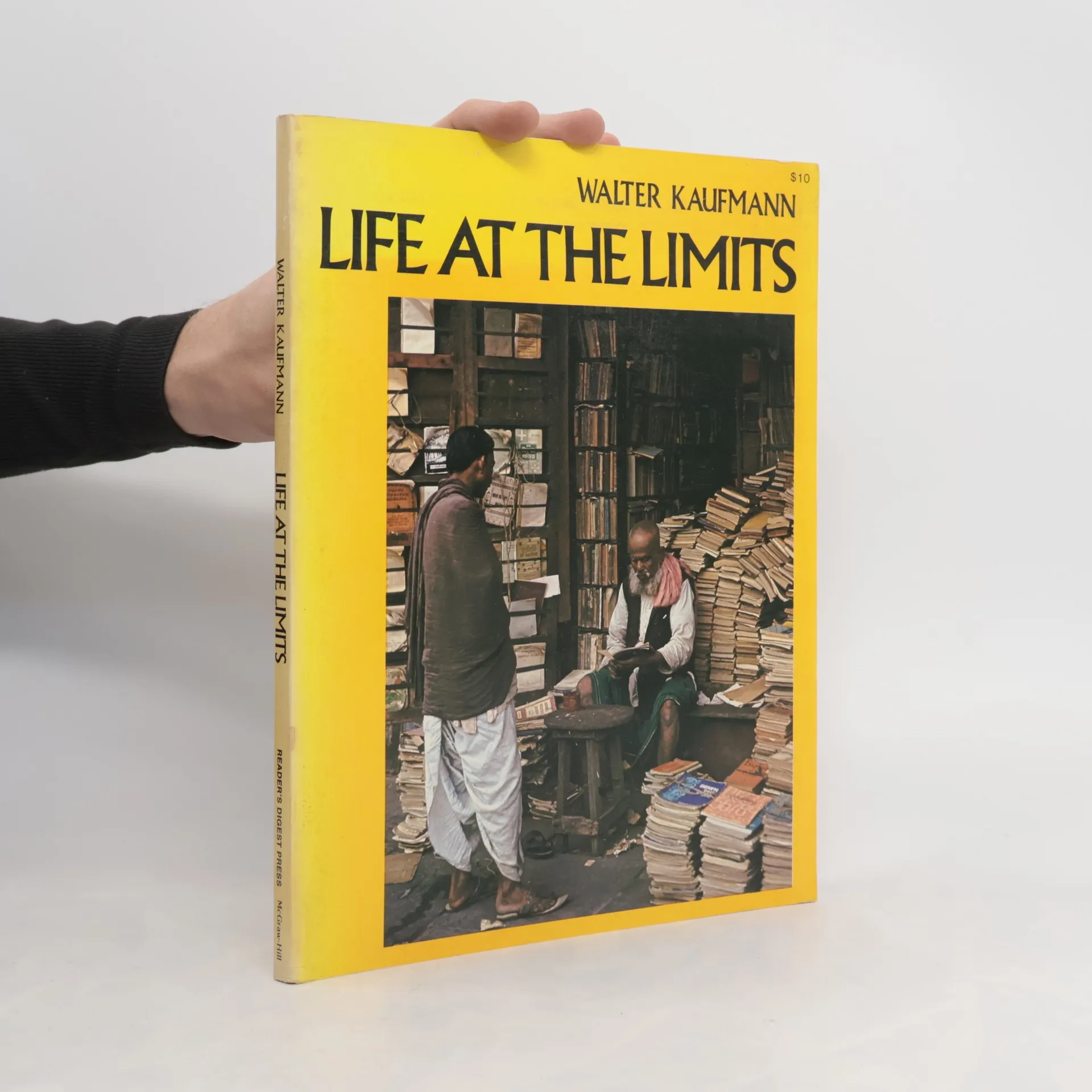
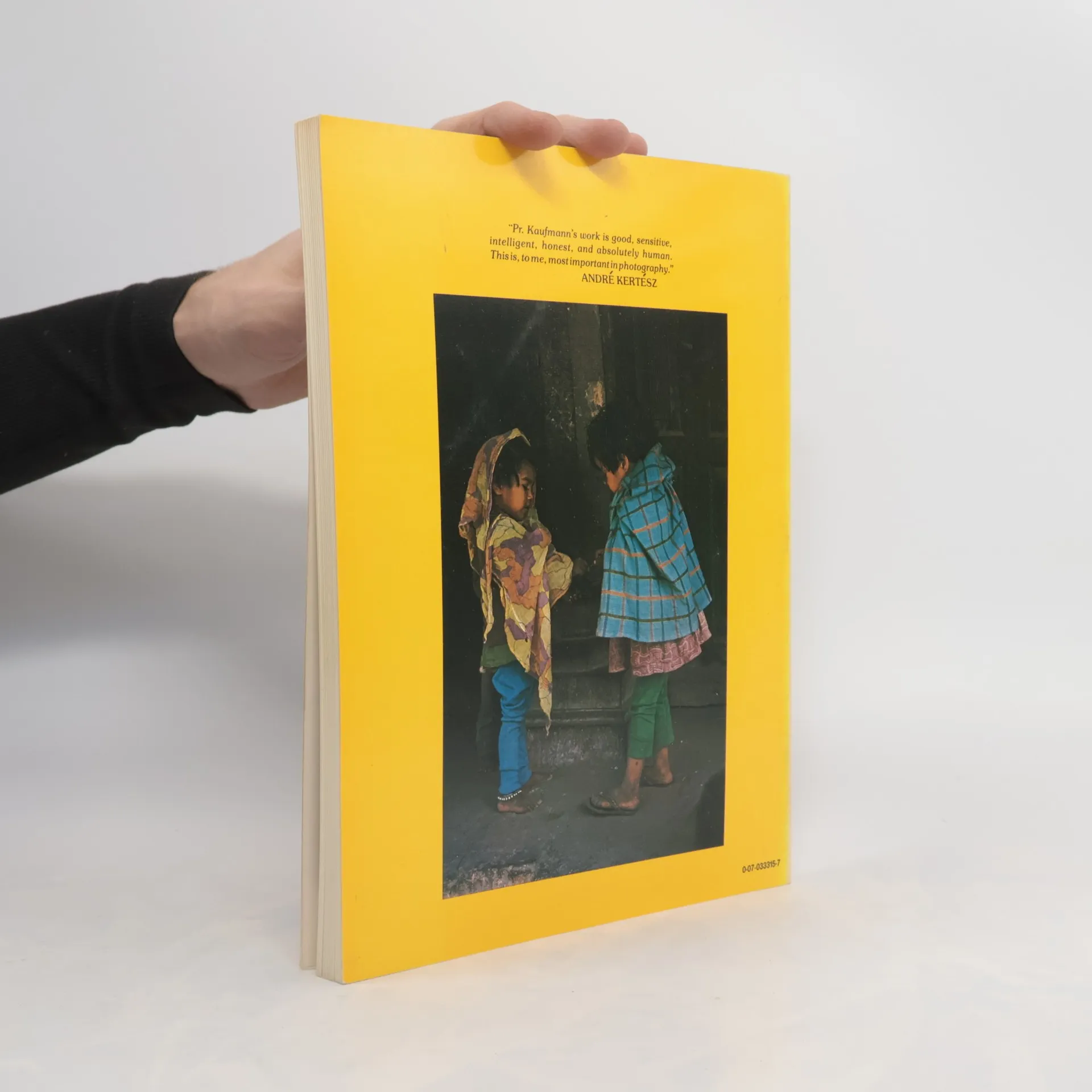
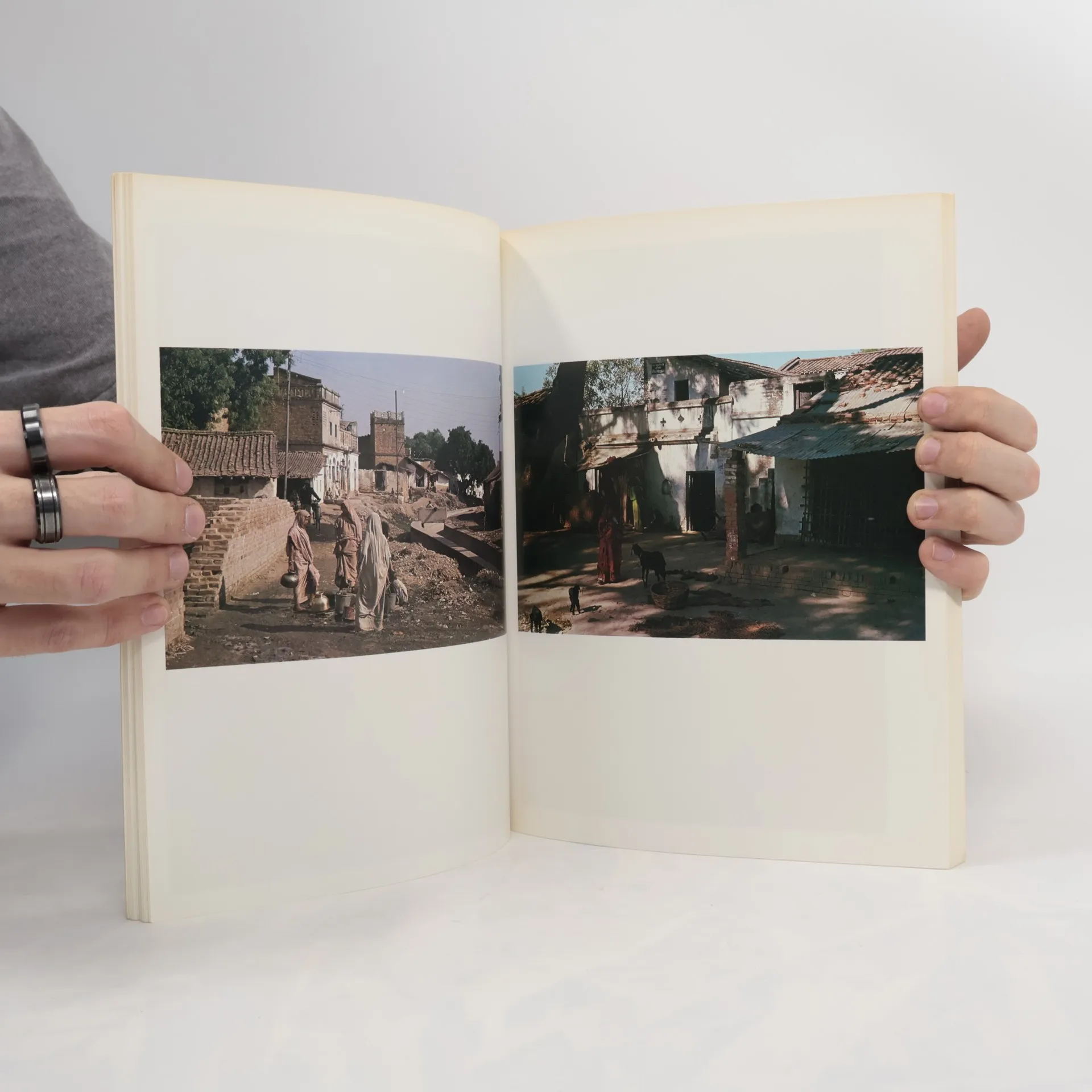
"Life at the Limits" fuses photography and poetry, scholarship and philosophy to present a vision of the human condition. The color photographs depict people in India while the text largely addresses the West. The final chapters compare attitudes toward extreme situations in India and the West. The second part, "Time Is an Artist," explores time's artistry in nature and its effects on human art, including patina, torsos, and ruins. It critically examines multimillion-dollar restoration projects and connects different attitudes toward time with our views on ourselves, the past, old age, and death, as well as widows and witches. The social implications are developed, and the epilogue is titled "Old is Beautiful." The last part, "What Is Man?," represents the culmination of the Trilogy. The text and pictures are meant to be lived with, and the whole book is intended for continued meditation and reflection.
Buchkauf
Life at the Limits, Walter Kaufmann
- Sprache

- Erscheinungsdatum
- 1978
- Einband
- (Paperback)
Hier könnte deine Bewertung stehen.
- Titel
- Life at the Limits
- Sprache
- Englisch
- Autor*innen
- Walter Kaufmann
- Verlag
- McGraw-Hill
- Erscheinungsdatum
- 1978
- Einband
- Paperback
- Seitenzahl
- 165
- ISBN10
- 0070333157
- ISBN13
- 9780070333154
- Reihe
- Kategorien
- Schlagwörter
- Philosophisches Thema, Kunst, Fotografiebücher, Indien
- Bewertung
- 4 von 5 Sternen
- Beschreibung
- "Life at the Limits" fuses photography and poetry, scholarship and philosophy to present a vision of the human condition. The color photographs depict people in India while the text largely addresses the West. The final chapters compare attitudes toward extreme situations in India and the West. The second part, "Time Is an Artist," explores time's artistry in nature and its effects on human art, including patina, torsos, and ruins. It critically examines multimillion-dollar restoration projects and connects different attitudes toward time with our views on ourselves, the past, old age, and death, as well as widows and witches. The social implications are developed, and the epilogue is titled "Old is Beautiful." The last part, "What Is Man?," represents the culmination of the Trilogy. The text and pictures are meant to be lived with, and the whole book is intended for continued meditation and reflection.