

Buchbewertung
Mehr zum Buch
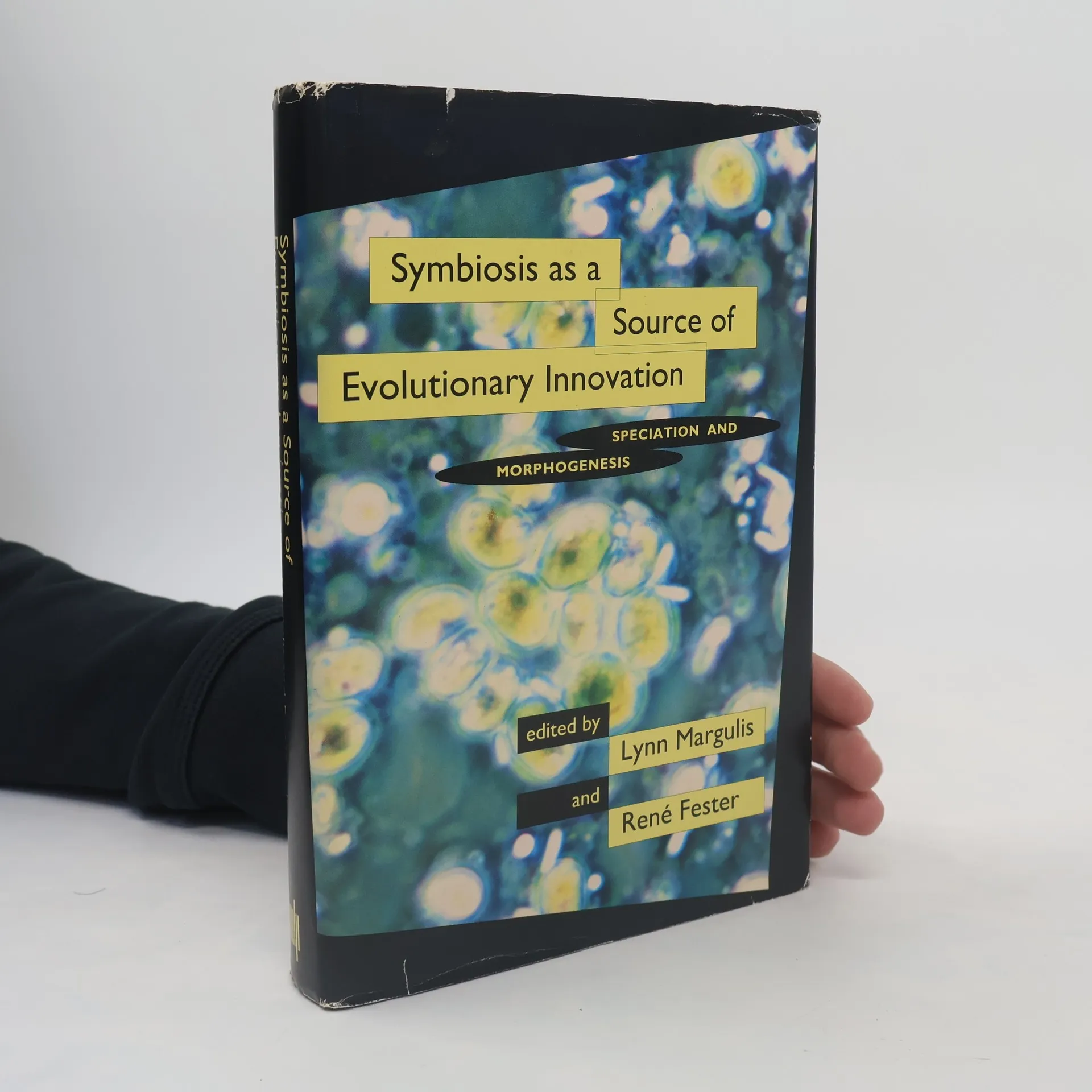
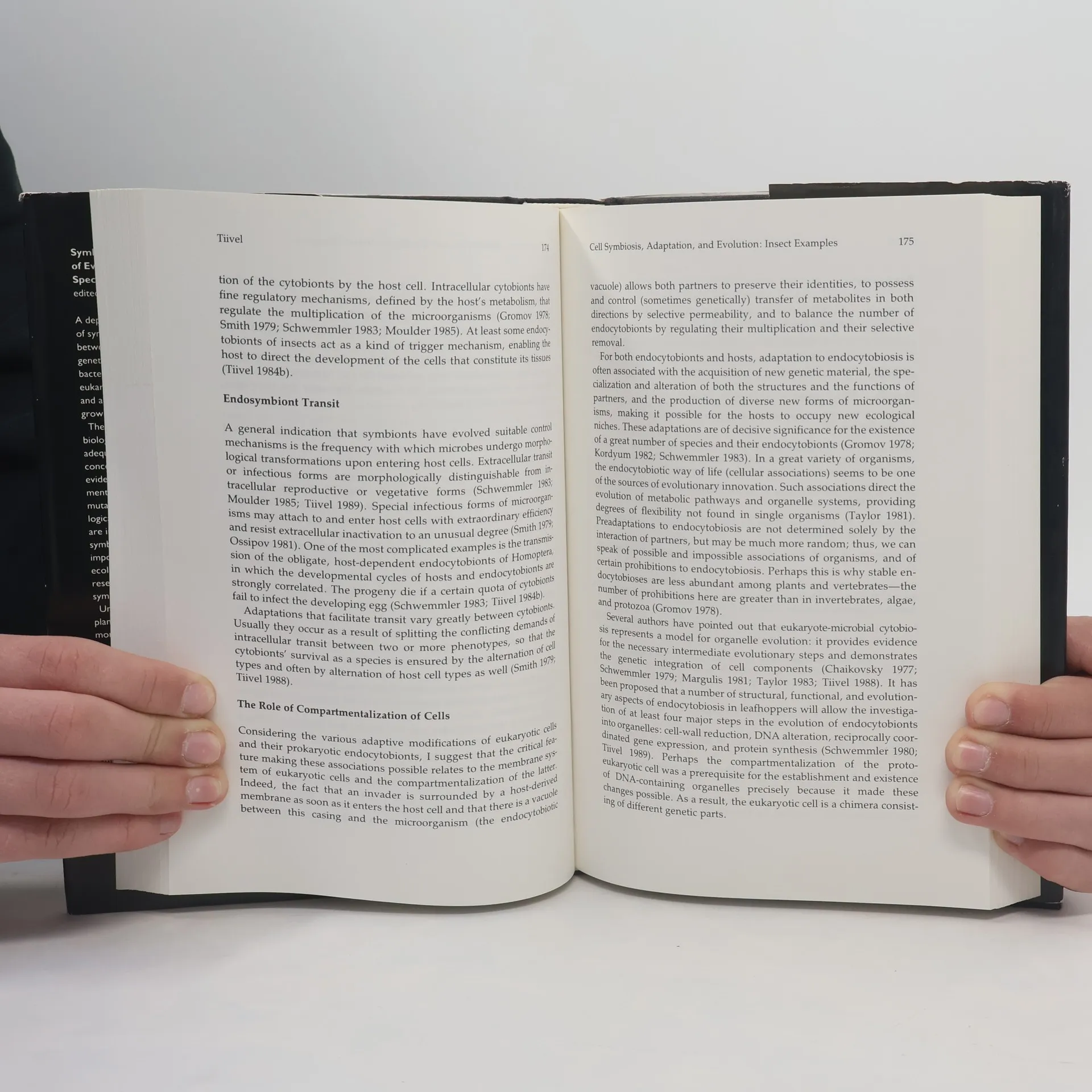
This collection features original contributions from symbiosis biologists and evolutionary theorists who challenge the adequacy of the neo-Darwinian concept of evolution. They present growing evidence that hereditary symbiosis, alongside gradual heritable mutations, plays a crucial role in the emergence of new species and morphological innovations. The concept of symbiosis, particularly the genetic and metabolic interactions of bacterial communities that evolved into the earliest eukaryotes, has garnered increasing interest among scientists. The contributions explore various topics, including the evolutionary implications of symbiosis, the prolonged physical associations between different species, and the significance of symbiosis in cell evolution, ecology, and morphogenesis. Key issues discussed include individuality, microbial symbioses, and animal-bacterial interactions. Lynn Margulis, a distinguished professor at the University of Massachusetts at Amherst, is recognized as the modern originator of the symbiotic theory of cell evolution, which has transitioned from being viewed as heretical to becoming integral to the microbiological revolution. The volume includes insights from notable contributors in the field, reflecting a shift in understanding evolution through the lens of symbiotic relationships.
Buchkauf
Symbiosis as a Source of Evolutionary Innovation, Lynn Margulis, René Fester Kratz
- Sprache

- Erscheinungsdatum
- 1991
- Einband
- (Hardcover)
Hier könnte deine Bewertung stehen.
- Titel
- Symbiosis as a Source of Evolutionary Innovation
- Untertitel
- Speciation and Morphogenesis
- Sprache
- Englisch
- Autor*innen
- Lynn Margulis, René Fester Kratz
- Verlag
- MIT Press
- Erscheinungsdatum
- 1991
- Einband
- Hardcover
- Seitenzahl
- 470
- ISBN10
- 0262132699
- ISBN13
- 9780262132695
- Reihe
- Schlagwörter
- Naturwissenschaften, Wissenschaft, USA, Evolution, Evolutionsbiologie, Zytologie, Ursprung des Lebens, Symbiose
- Bewertung
- 4,5 von 5 Sternen
- Beschreibung
- This collection features original contributions from symbiosis biologists and evolutionary theorists who challenge the adequacy of the neo-Darwinian concept of evolution. They present growing evidence that hereditary symbiosis, alongside gradual heritable mutations, plays a crucial role in the emergence of new species and morphological innovations. The concept of symbiosis, particularly the genetic and metabolic interactions of bacterial communities that evolved into the earliest eukaryotes, has garnered increasing interest among scientists. The contributions explore various topics, including the evolutionary implications of symbiosis, the prolonged physical associations between different species, and the significance of symbiosis in cell evolution, ecology, and morphogenesis. Key issues discussed include individuality, microbial symbioses, and animal-bacterial interactions. Lynn Margulis, a distinguished professor at the University of Massachusetts at Amherst, is recognized as the modern originator of the symbiotic theory of cell evolution, which has transitioned from being viewed as heretical to becoming integral to the microbiological revolution. The volume includes insights from notable contributors in the field, reflecting a shift in understanding evolution through the lens of symbiotic relationships.