

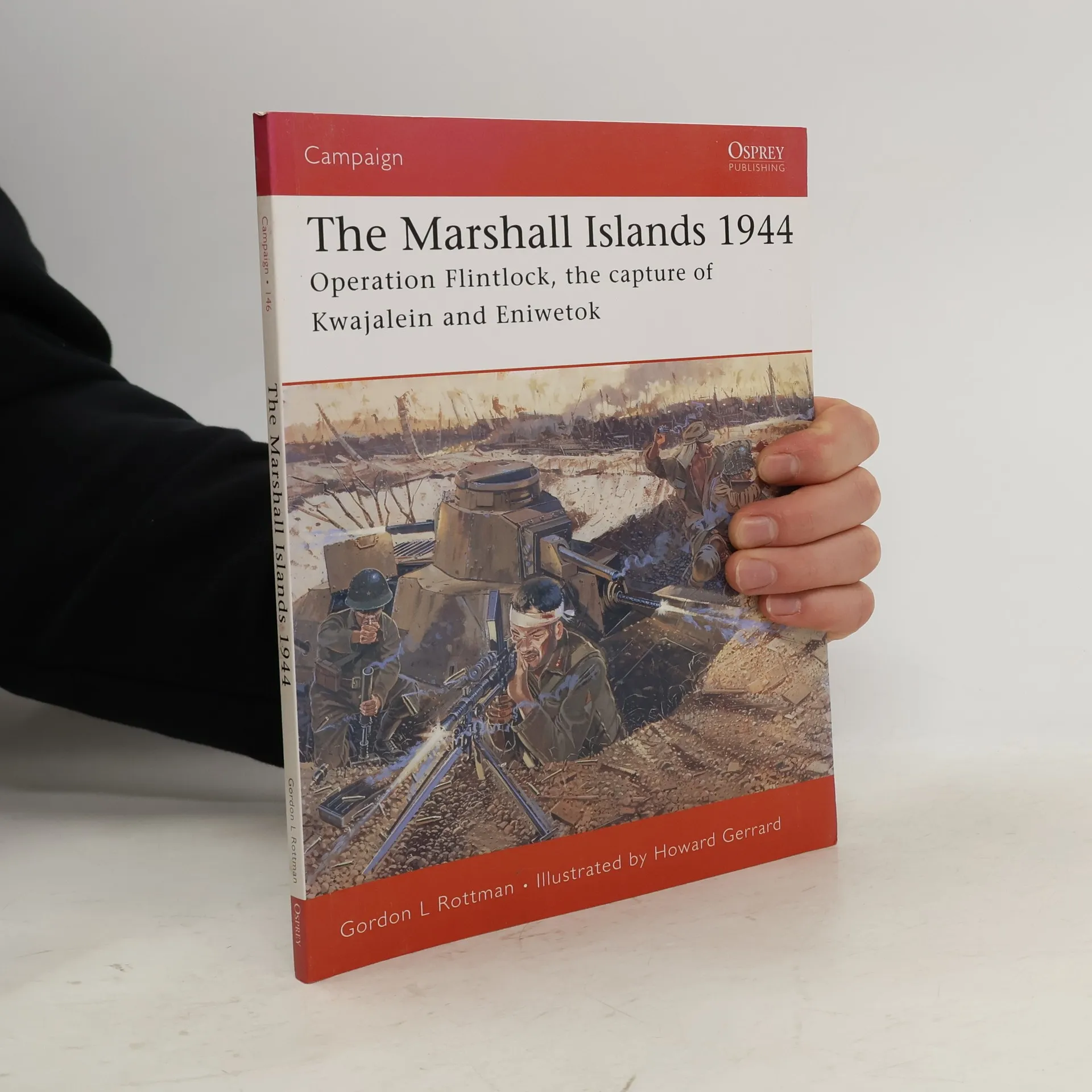
Campaign - 146: The Marshall Islands 1944
Operation Flintlock, The Capture Of Kwajalein And Eniwetok
Autor*innen
Buchbewertung
Mehr zum Buch
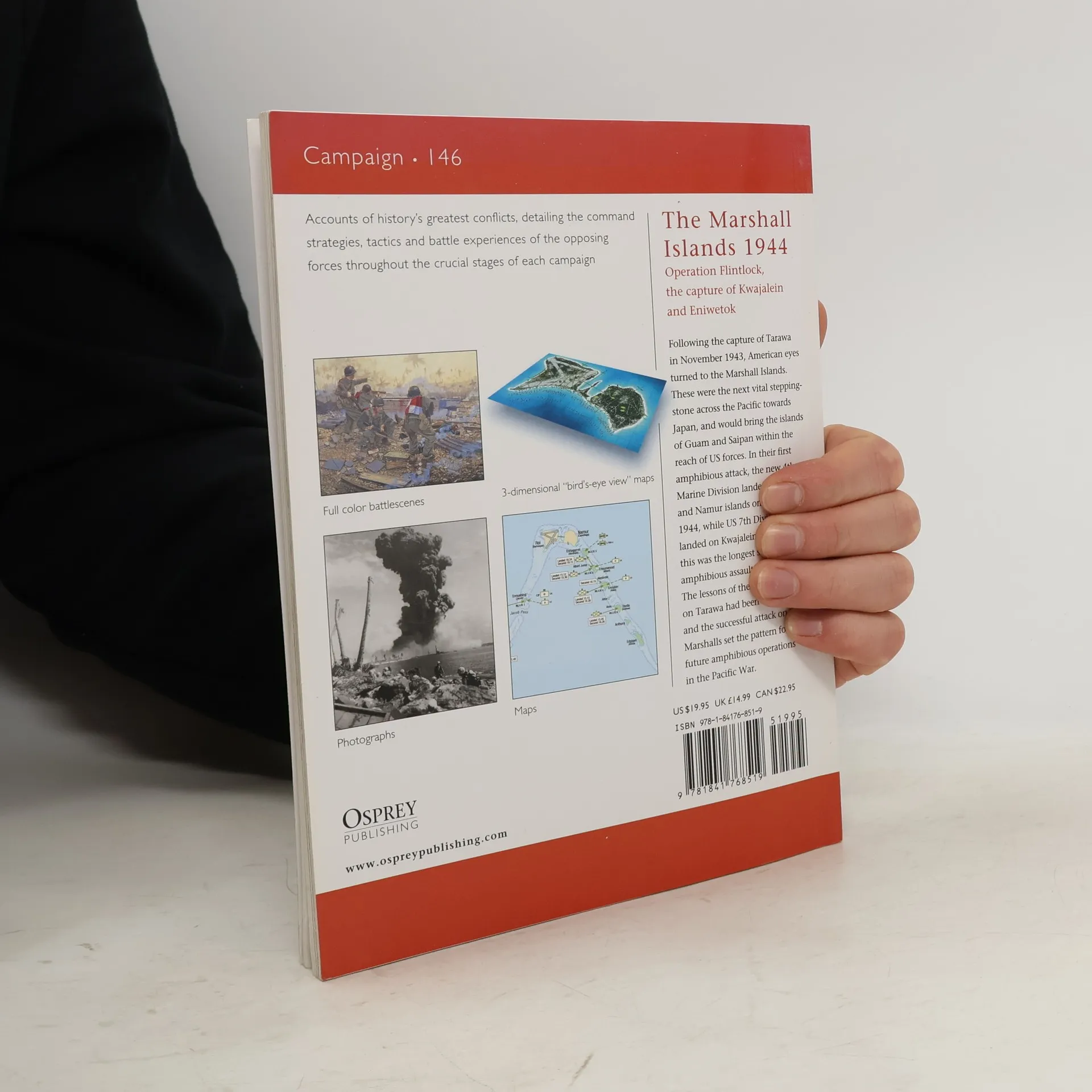
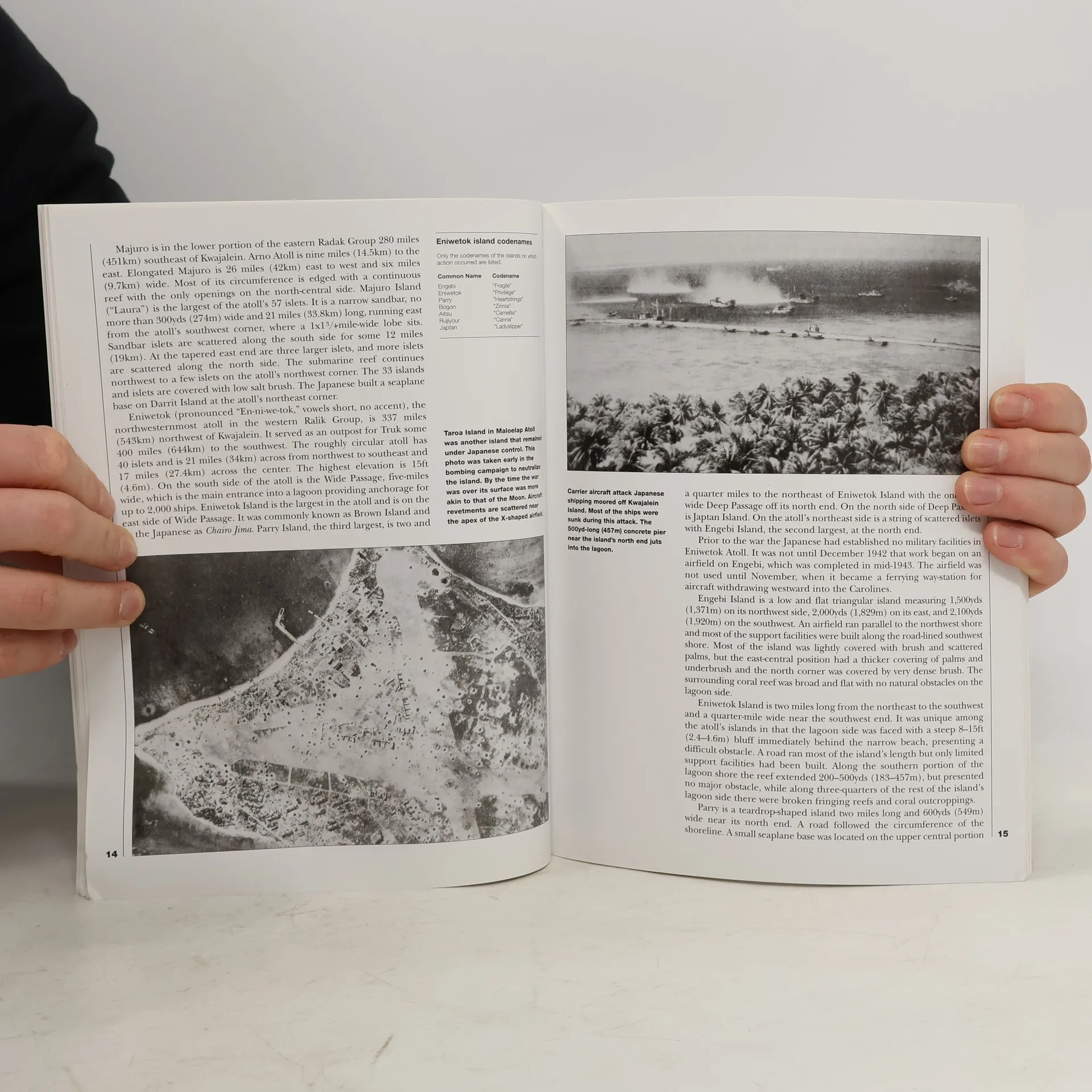
Following the capture of Tarawa in November 1943 during World War II (1939-1945), American eyes turned to the Marshall Islands. These were the next vital stepping-stone across the Pacific towards Japan, and would bring the islands of Guam and Saipan within the reach of US forces. In their first amphibious attack, the new 4th Marine Division landed on Roi and Namur islands on 1 February 1944, while US 7th Division landed on Kwajalein. At the time this was the longest shore-to-shore amphibious assault in history. The lessons of the bloody fighting on Tarawa had been well learned and the successful attack on the Marshalls set the pattern for future amphibious operations in the Pacific War.
Buchkauf
Campaign - 146: The Marshall Islands 1944, Gordon L. Rottman, Howard Gerrard
- Sprache

- Erscheinungsdatum
- 2004
- Einband
- (Paperback)
Hier könnte deine Bewertung stehen.
- Titel
- Campaign - 146: The Marshall Islands 1944
- Untertitel
- Operation Flintlock, The Capture Of Kwajalein And Eniwetok
- Sprache
- Englisch
- Autor*innen
- Gordon L. Rottman, Howard Gerrard
- Verlag
- Osprey Publishing
- Erscheinungsdatum
- 2004
- Einband
- Paperback
- Seitenzahl
- 96
- ISBN10
- 1841768510
- ISBN13
- 9781841768519
- Reihe
- Kategorien
- Schlagwörter
- Historisches Thema, USA, Zweiter Weltkrieg, Technologie, Strategie, Schlachten, Armee, Pazifischer Ozean
- Bewertung
- 3,3 von 5 Sternen
- Beschreibung
- Following the capture of Tarawa in November 1943 during World War II (1939-1945), American eyes turned to the Marshall Islands. These were the next vital stepping-stone across the Pacific towards Japan, and would bring the islands of Guam and Saipan within the reach of US forces. In their first amphibious attack, the new 4th Marine Division landed on Roi and Namur islands on 1 February 1944, while US 7th Division landed on Kwajalein. At the time this was the longest shore-to-shore amphibious assault in history. The lessons of the bloody fighting on Tarawa had been well learned and the successful attack on the Marshalls set the pattern for future amphibious operations in the Pacific War.