

Mehr zum Buch
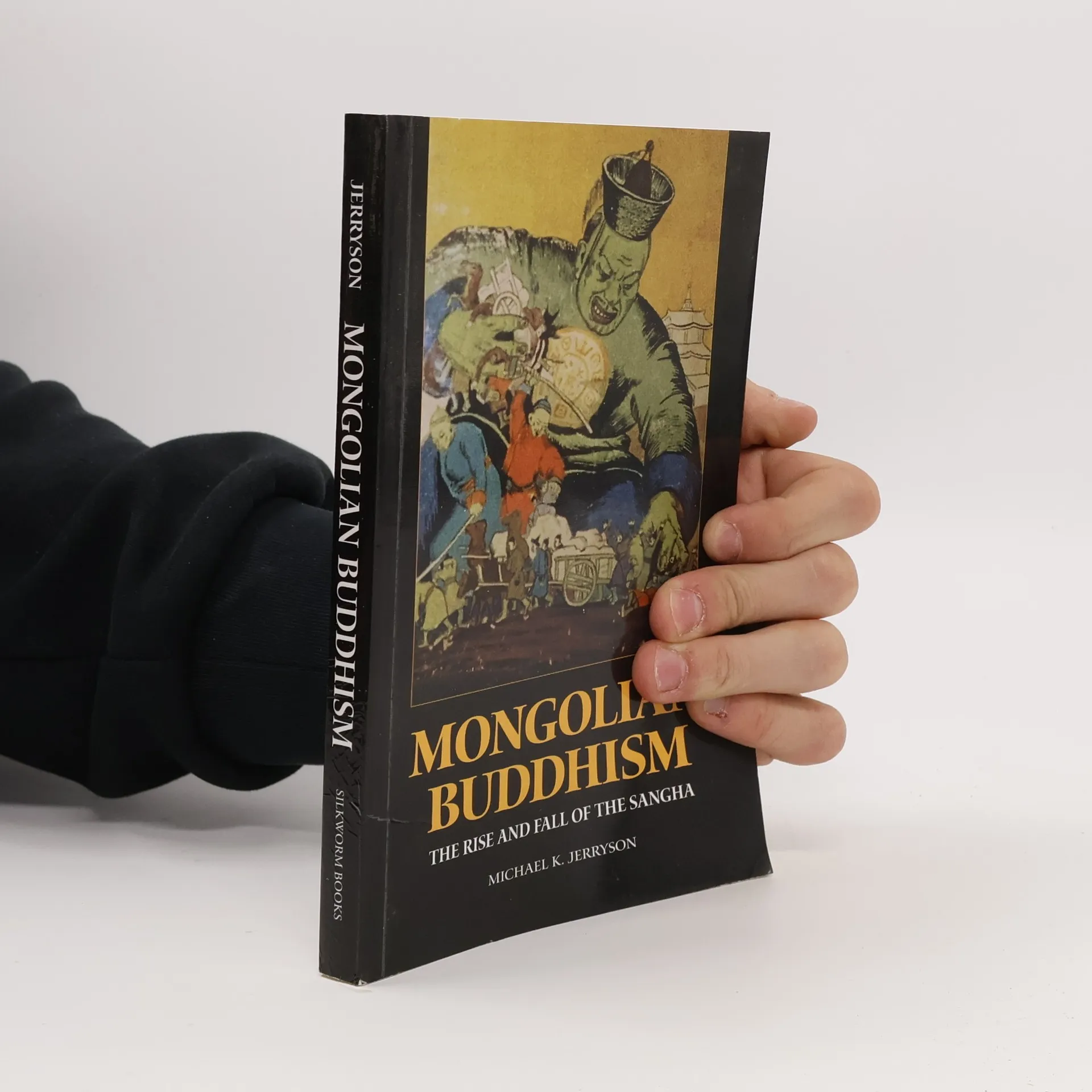
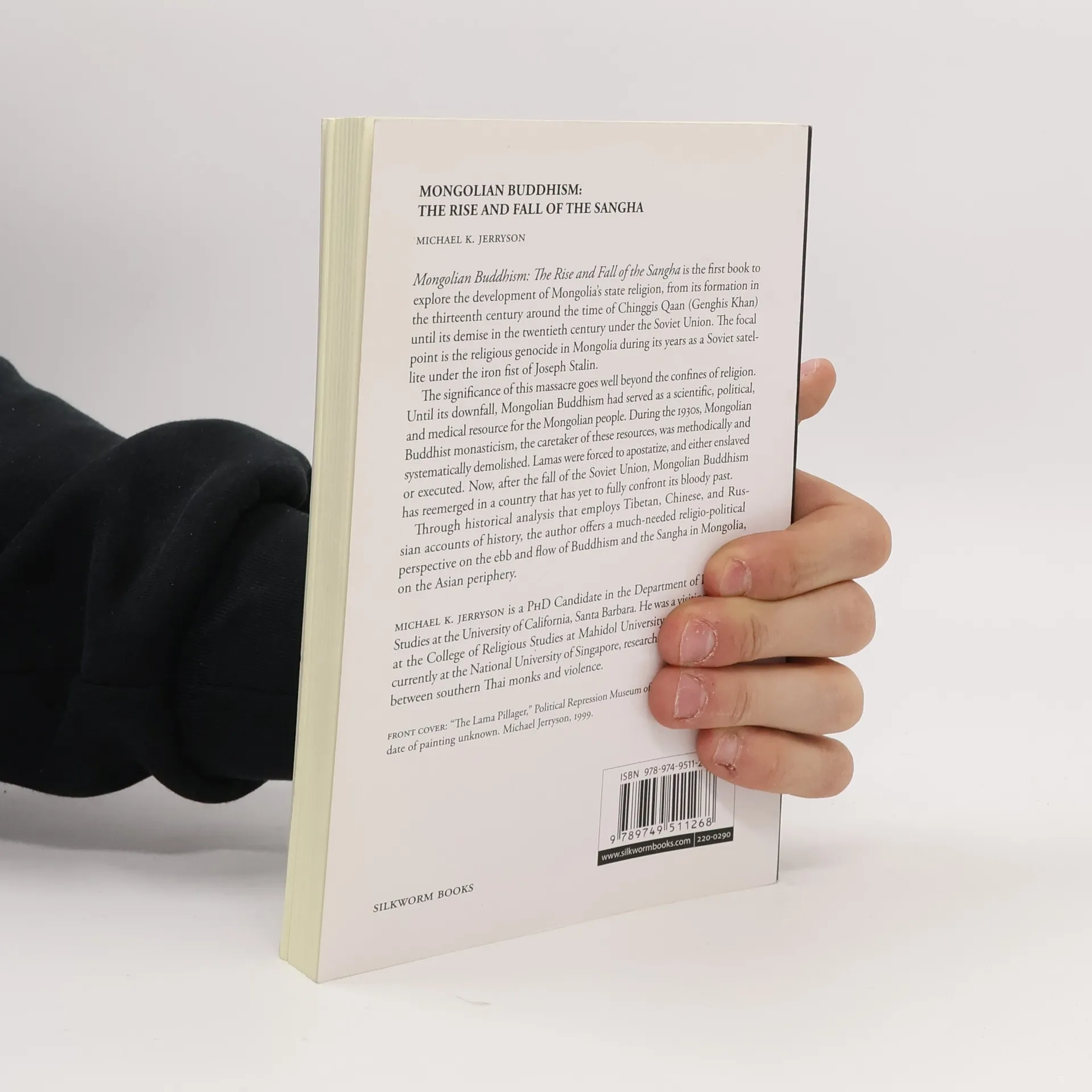
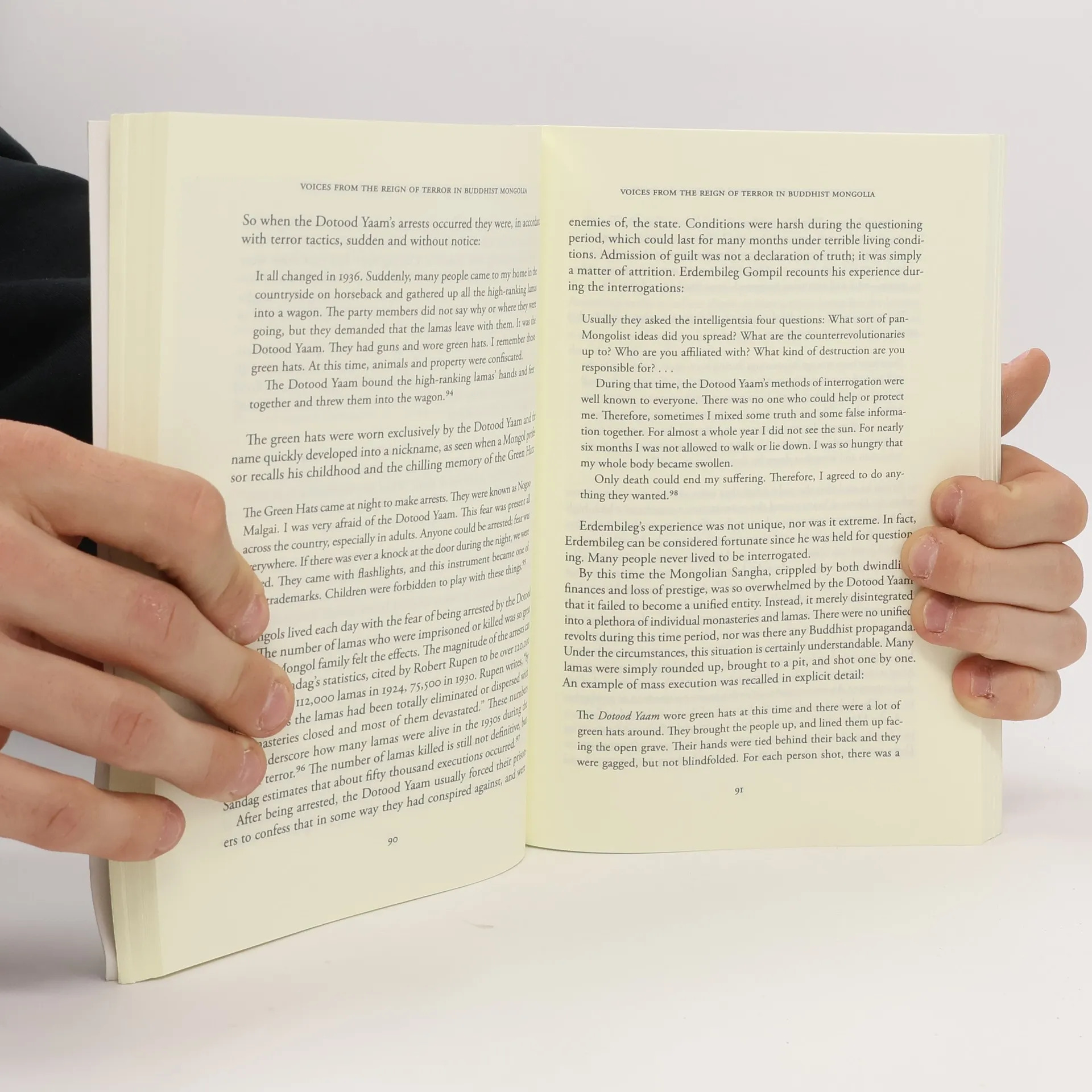
Mongolian Buddhism is the first book to explore the development of Mongolia's state religion, from its formation in the thirteenth century around the time of Chinggis Qaan (Genghis Khan) until its demise in the twentieth century under the Soviet Union.Until its downfall, Mongolian Buddhism had served as a scientific, political, and medical resource for the Mongolian people. During the 1930s, Mongolian Buddhist monasticism, the caretaker of these resources, was methodically and systematically demolished. Lamas were forced to apostatize, and were either enslaved or executed. Now, after the fall of the Soviet Union, Mongolian Buddhism has reemerged in a country that has yet to fully confront its bloody past.Through historical analysis of Tibetan, Chinese, and Russian accounts of history, Michael Jerryson offers a much-needed religio-political perspective on the ebb and flow of Buddhism and the Sangha in Mongolia.
Buchkauf
Mongolian Buddhism, Michael K. Jerryson
- Sprache

- Erscheinungsdatum
- 2007
- Einband
- (Paperback)
Hier könnte deine Bewertung stehen.
- Titel
- Mongolian Buddhism
- Untertitel
- The Rise and Fall of the Sangha
- Sprache
- Englisch
- Autor*innen
- Michael K. Jerryson
- Verlag
- Silkworm Books
- Erscheinungsdatum
- 2007
- Einband
- Paperback
- Seitenzahl
- 240
- ISBN10
- 9749511263
- ISBN13
- 9789749511268
- Reihe
- Schlagwörter
- Historisches Thema, Mongolei
- Bewertung
- 3,9 von 5 Sternen
- Beschreibung
- Mongolian Buddhism is the first book to explore the development of Mongolia's state religion, from its formation in the thirteenth century around the time of Chinggis Qaan (Genghis Khan) until its demise in the twentieth century under the Soviet Union.Until its downfall, Mongolian Buddhism had served as a scientific, political, and medical resource for the Mongolian people. During the 1930s, Mongolian Buddhist monasticism, the caretaker of these resources, was methodically and systematically demolished. Lamas were forced to apostatize, and were either enslaved or executed. Now, after the fall of the Soviet Union, Mongolian Buddhism has reemerged in a country that has yet to fully confront its bloody past.Through historical analysis of Tibetan, Chinese, and Russian accounts of history, Michael Jerryson offers a much-needed religio-political perspective on the ebb and flow of Buddhism and the Sangha in Mongolia.