

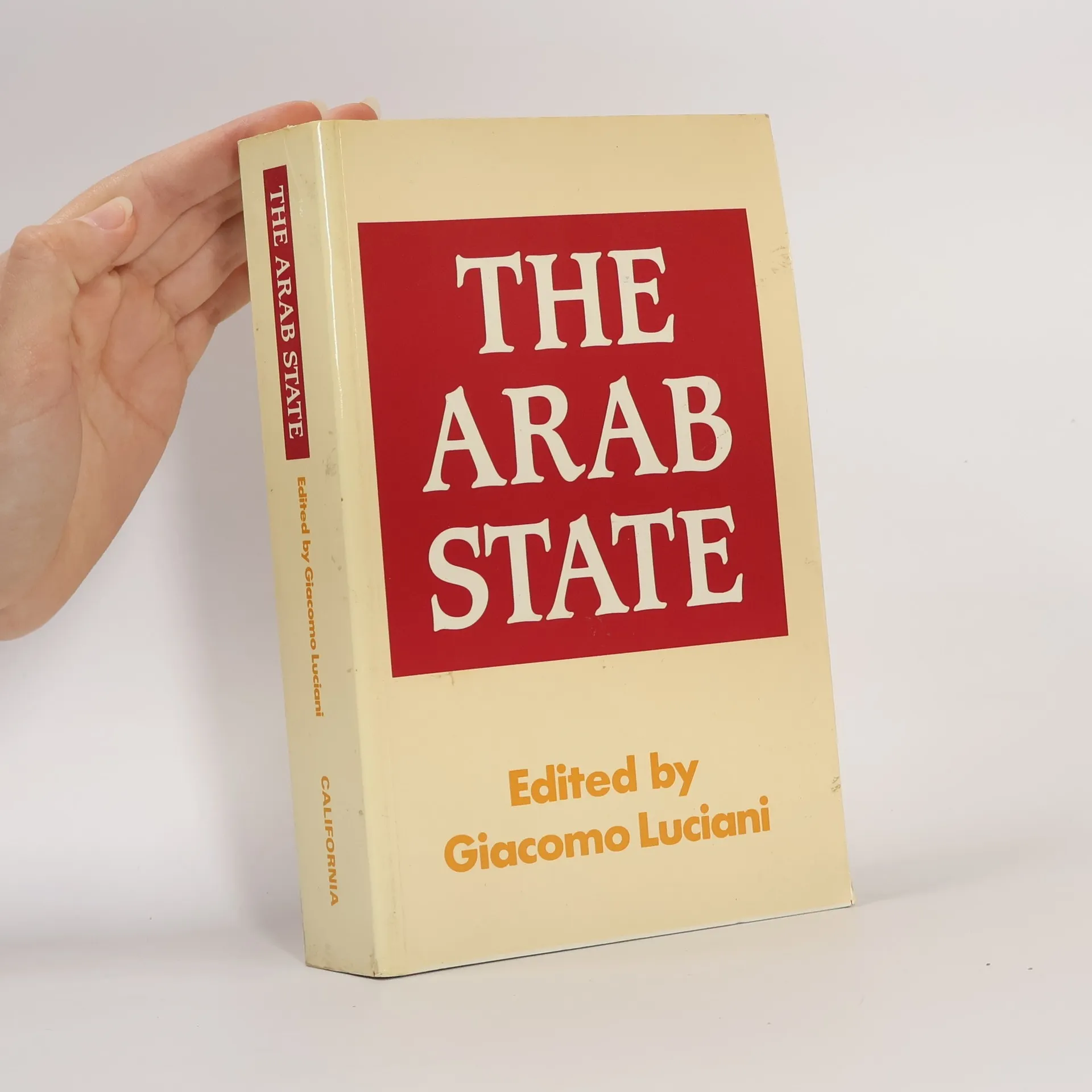
The Arab State
Autor*innen
Mehr zum Buch
In its analysis of the process of state formation, this essay collection breaks new ground. Scholars from the Arab countries, Europe, and the United States present historical, economic, philosophical, and sociological perspectives on the Arab states today and offer new paradigms for understanding the region. These sixteen essays examine the roots of the contemporary Arab state system, the durability of that system, and the impact of its economic bases on its strengths and weaknesses. The influence of the various social classes and of key social groupings such as the military is also shown, and dispassionate, non-ideological views on the question of Arab integration are presented. This timely collection, interdisciplinary in its approach, brings new and insightful material to the area of Middle Eastern studies. It will be important reading for those seeking an understanding of this rapidly changing area, as well as for students of comparative political systems.
Buchkauf
The Arab State, Giacomo Luciani
- Sprache

- Erscheinungsdatum
- 1990
- Einband
- (Paperback)
Keiner hat bisher bewertet.
- Titel
- The Arab State
- Sprache
- Englisch
- Autor*innen
- Giacomo Luciani
- Erscheinungsdatum
- 1990
- Einband
- Paperback
- Seitenzahl
- 454
- ISBN10
- 0520064348
- ISBN13
- 9780520064348
- Reihe
- Schlagwörter
- Politik, Politische Theorien
- Beschreibung
- In its analysis of the process of state formation, this essay collection breaks new ground. Scholars from the Arab countries, Europe, and the United States present historical, economic, philosophical, and sociological perspectives on the Arab states today and offer new paradigms for understanding the region. These sixteen essays examine the roots of the contemporary Arab state system, the durability of that system, and the impact of its economic bases on its strengths and weaknesses. The influence of the various social classes and of key social groupings such as the military is also shown, and dispassionate, non-ideological views on the question of Arab integration are presented. This timely collection, interdisciplinary in its approach, brings new and insightful material to the area of Middle Eastern studies. It will be important reading for those seeking an understanding of this rapidly changing area, as well as for students of comparative political systems.