

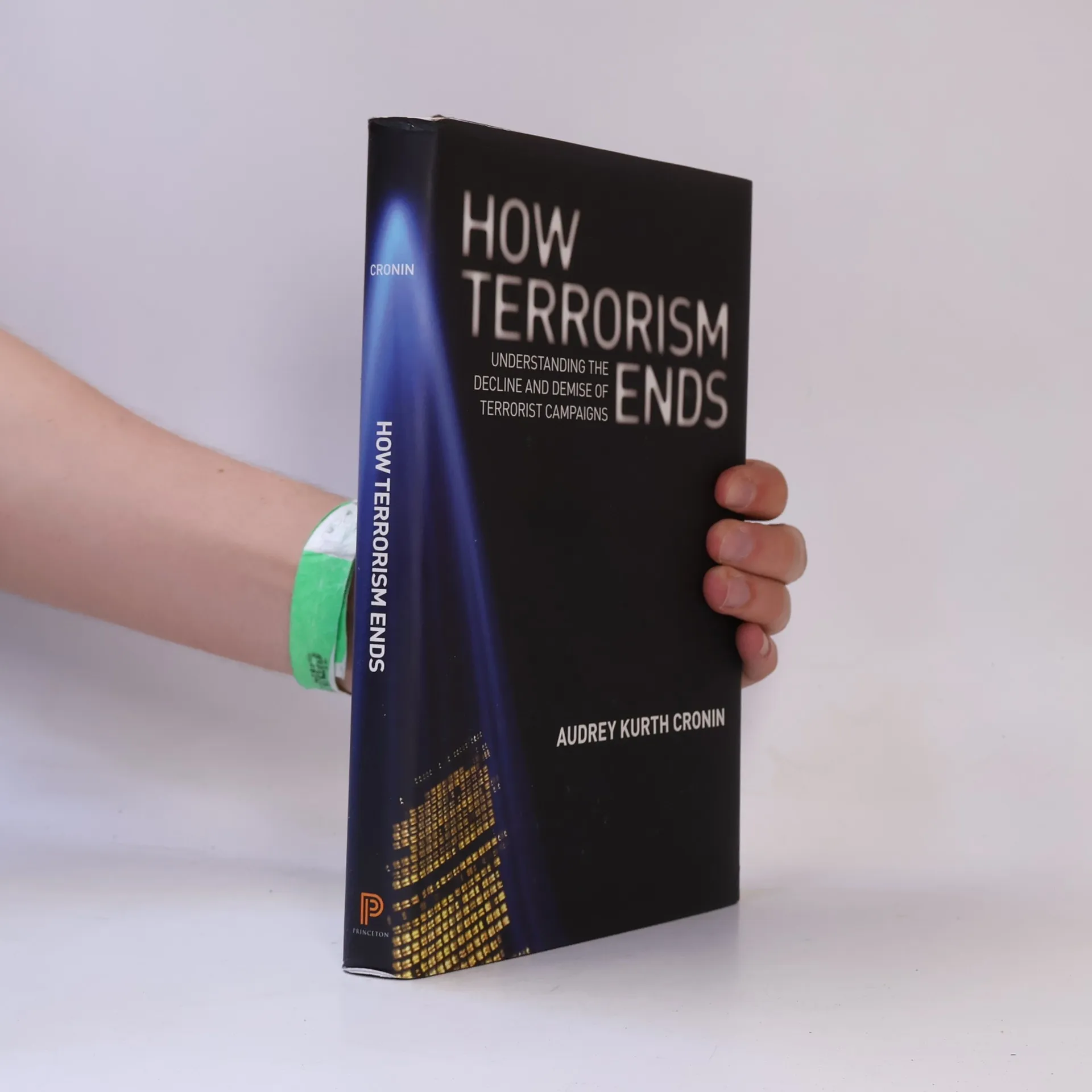
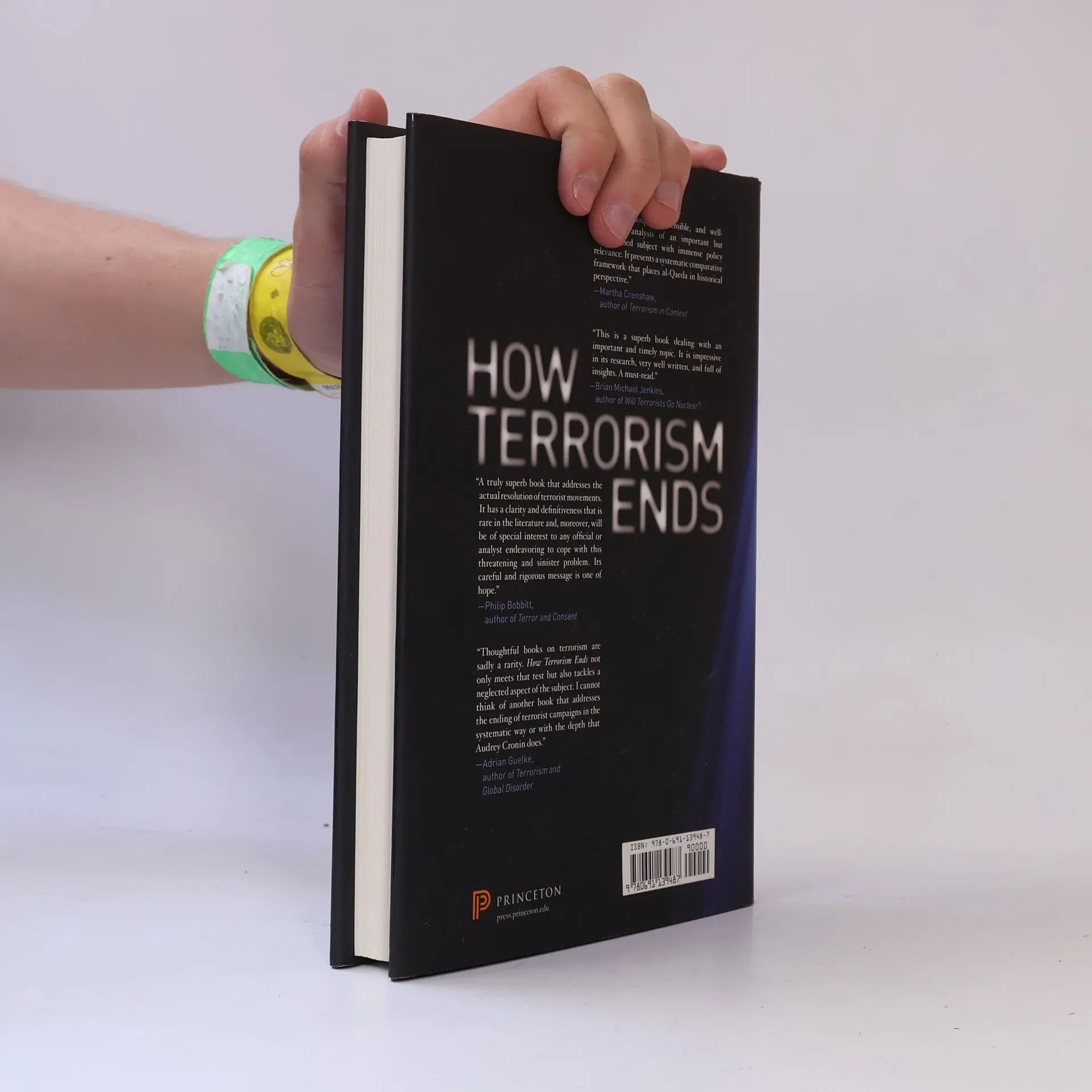

Mehr zum Buch
Every terrorist movement eventually comes to an end, often more quickly than anticipated. In the wake of 9/11 and other attacks, it's crucial to understand how these movements conclude rather than just how they begin. Recognizing the common pathways through which terrorist campaigns have been eradicated can inform strategies to expedite the decline of current threats while mitigating unnecessary fears and reactions. The author examines the demise of terrorist campaigns over the past two centuries, applying these lessons to develop a new approach against groups like al-Qaeda. Key questions addressed include the duration of terrorist campaigns, the impact of targeting leadership, the role of negotiations, and the conditions under which groups may transition to other forms of violence. Through historical examples such as the anti-tsarist Narodnaya Volya, the Provisional IRA, Peru's Shining Path, and Japan's Aum Shinrikyo, the text identifies common factors in the decline of terrorist organizations, including leadership decapitation, negotiation, repression, and internal collapse. This work stands out as a comprehensive, practical, and optimistic exploration of how terrorism can end, offering valuable insights for contemporary counterterrorism efforts.
Buchkauf
How Terrorism Ends, Audrey Kurth Cronin
- Sprache

- Erscheinungsdatum
- 2009
- Einband
- (Hardcover)
Keiner hat bisher bewertet.
- Titel
- How Terrorism Ends
- Untertitel
- Understanding the Decline and Demise of Terrorist Campaigns
- Sprache
- Englisch
- Autor*innen
- Audrey Kurth Cronin
- Erscheinungsdatum
- 2009
- Einband
- Hardcover
- Seitenzahl
- 311
- ISBN10
- 0691139482
- ISBN13
- 9780691139487
- Reihe
- Kategorien
- Schlagwörter
- Politik, Kriegsliteratur, Kriege, Terrorismus
- Beschreibung
- Every terrorist movement eventually comes to an end, often more quickly than anticipated. In the wake of 9/11 and other attacks, it's crucial to understand how these movements conclude rather than just how they begin. Recognizing the common pathways through which terrorist campaigns have been eradicated can inform strategies to expedite the decline of current threats while mitigating unnecessary fears and reactions. The author examines the demise of terrorist campaigns over the past two centuries, applying these lessons to develop a new approach against groups like al-Qaeda. Key questions addressed include the duration of terrorist campaigns, the impact of targeting leadership, the role of negotiations, and the conditions under which groups may transition to other forms of violence. Through historical examples such as the anti-tsarist Narodnaya Volya, the Provisional IRA, Peru's Shining Path, and Japan's Aum Shinrikyo, the text identifies common factors in the decline of terrorist organizations, including leadership decapitation, negotiation, repression, and internal collapse. This work stands out as a comprehensive, practical, and optimistic exploration of how terrorism can end, offering valuable insights for contemporary counterterrorism efforts.