

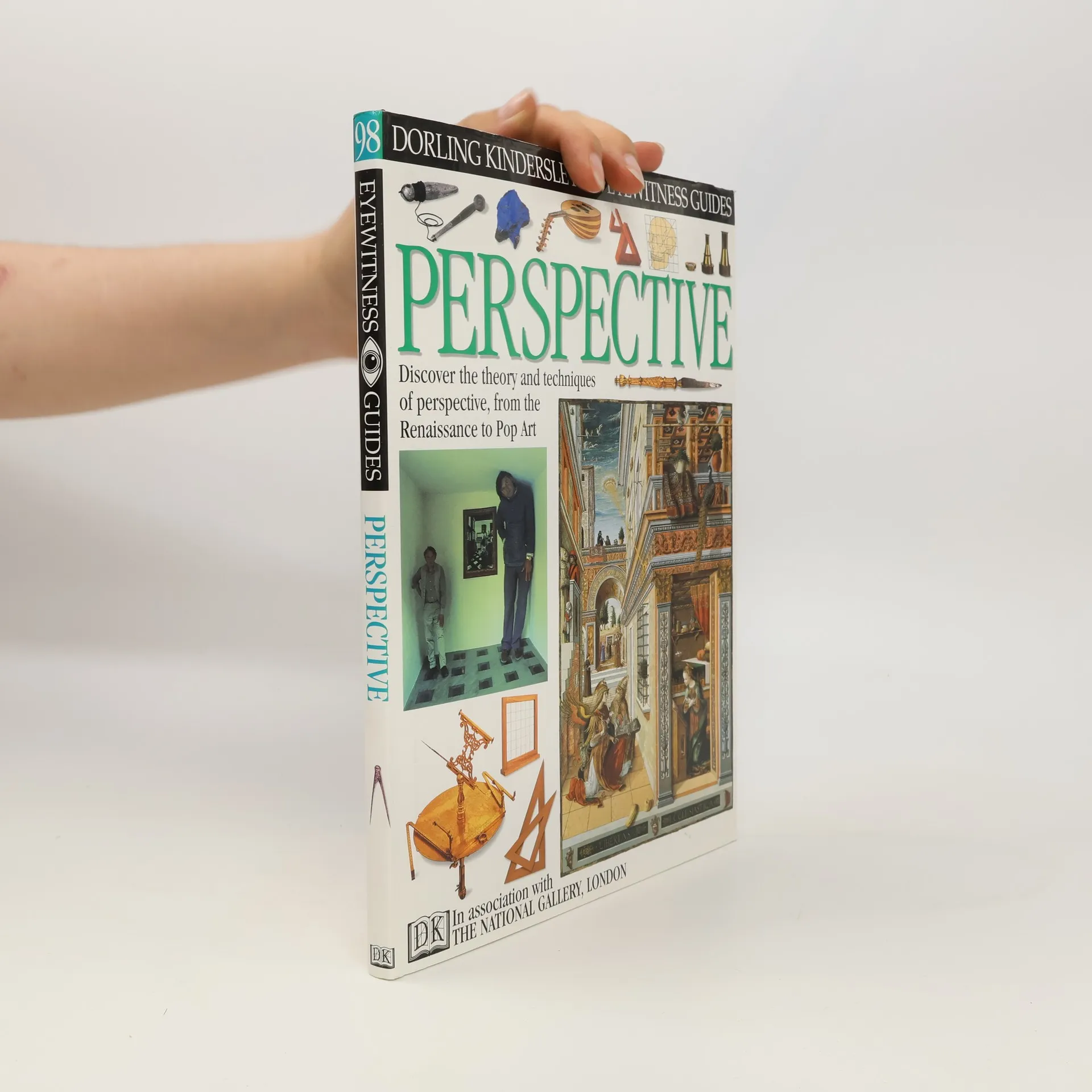
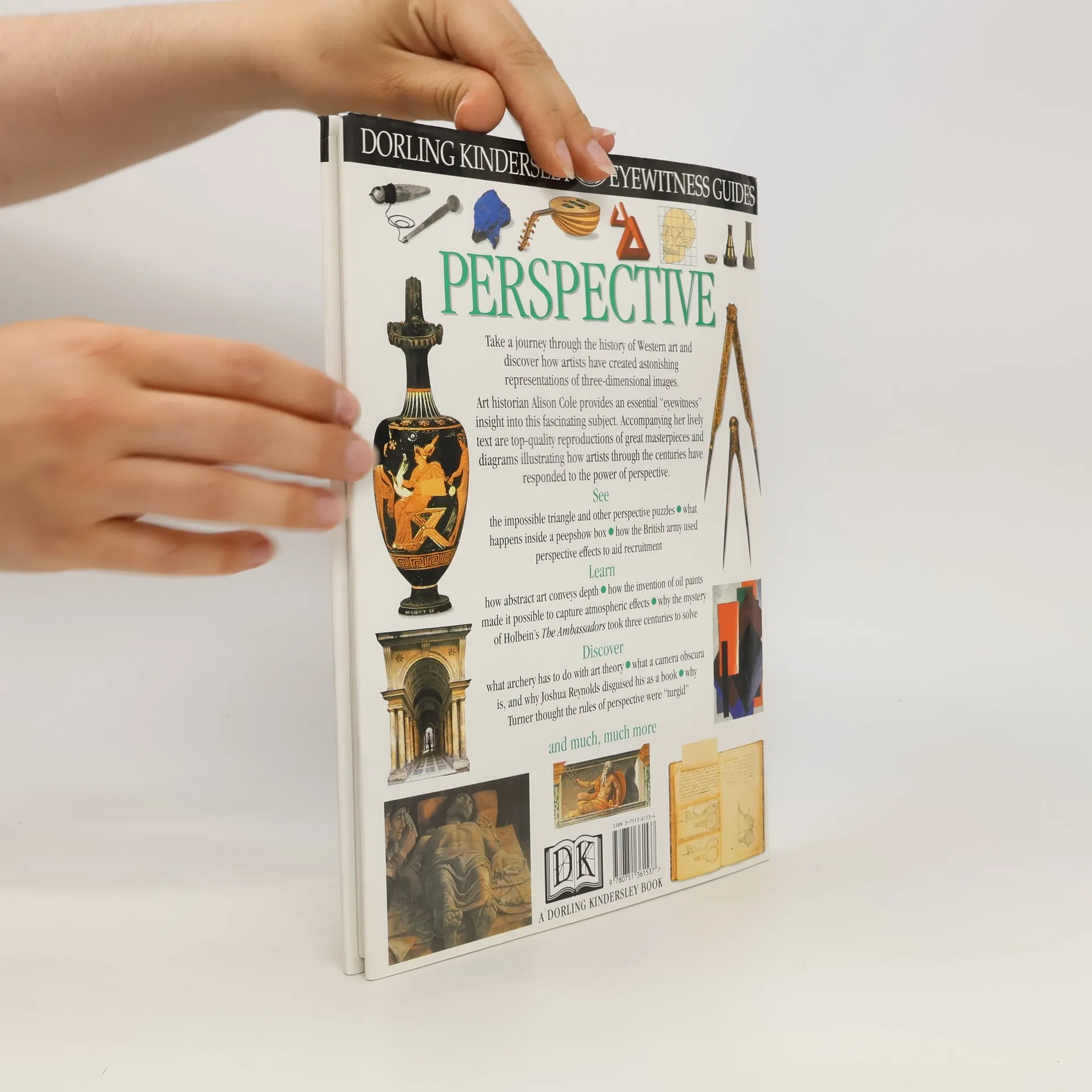
Eyewitness Guides - 98: Perspective
Discover the Theory and Techniques of Perspective, from the Renaissance to Pop Art
Autor*innen
Parameter
- 64 Seiten
- 3 Lesestunden
Mehr zum Buch
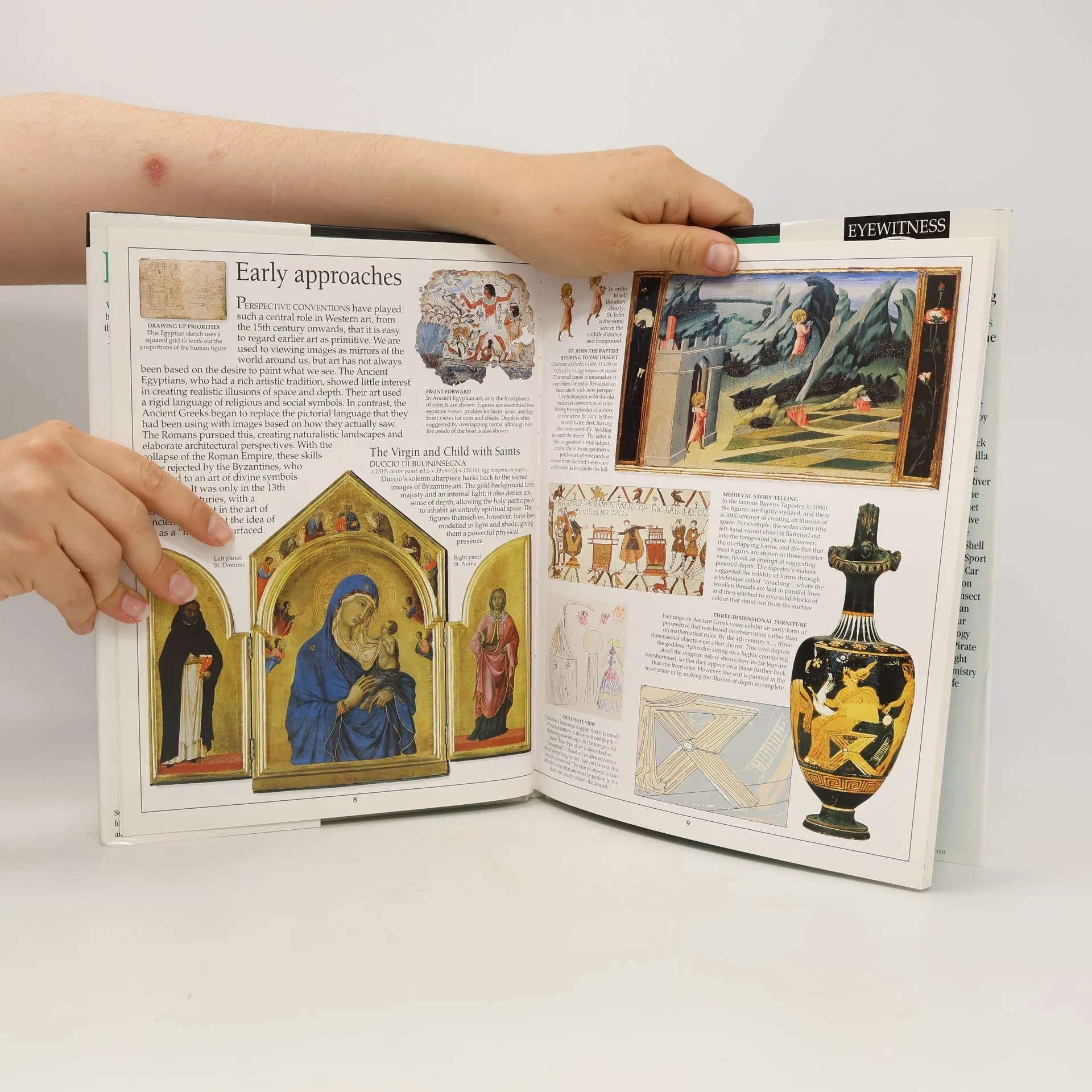
Since the principles of perspective were first demonstrated in Renaissance Italy, the interpretation of depth and space has held a central place in Western art. From the 15th century onwards, artists have endeavoured to present three-dimensional images that are as close as possible to what we actually see. When the Italian artist Alberti published his geometrical method for re-creating accurate perspectives, he transformed the art world, and led artists such as Leonardo da Vinci to produce ever more life-like illusions of space and distance. In the 20th century, artists such as Picasso often rejected classical principles in favour of distorted viewpoints.
Buchkauf
Eyewitness Guides - 98: Perspective, Alison Cole, Alison Ambrose
- Sprache

- Erscheinungsdatum
- 1992
- Einband
- (Hardcover)
Keiner hat bisher bewertet.
- Titel
- Eyewitness Guides - 98: Perspective
- Untertitel
- Discover the Theory and Techniques of Perspective, from the Renaissance to Pop Art
- Sprache
- Englisch
- Autor*innen
- Alison Cole, Alison Ambrose
- Verlag
- Dorling Kindersley
- Erscheinungsdatum
- 1992
- Einband
- Hardcover
- Seitenzahl
- 64
- ISBN10
- 0751361534
- ISBN13
- 9780751361537
- Reihe
- Kategorien
- Schlagwörter
- Bildende Kunst, Kunst, Ausstellungskataloge, Kunstgeschichte
- Beschreibung
- Since the principles of perspective were first demonstrated in Renaissance Italy, the interpretation of depth and space has held a central place in Western art. From the 15th century onwards, artists have endeavoured to present three-dimensional images that are as close as possible to what we actually see. When the Italian artist Alberti published his geometrical method for re-creating accurate perspectives, he transformed the art world, and led artists such as Leonardo da Vinci to produce ever more life-like illusions of space and distance. In the 20th century, artists such as Picasso often rejected classical principles in favour of distorted viewpoints.