

Parameter
- 288 Seiten
- 11 Lesestunden
Mehr zum Buch
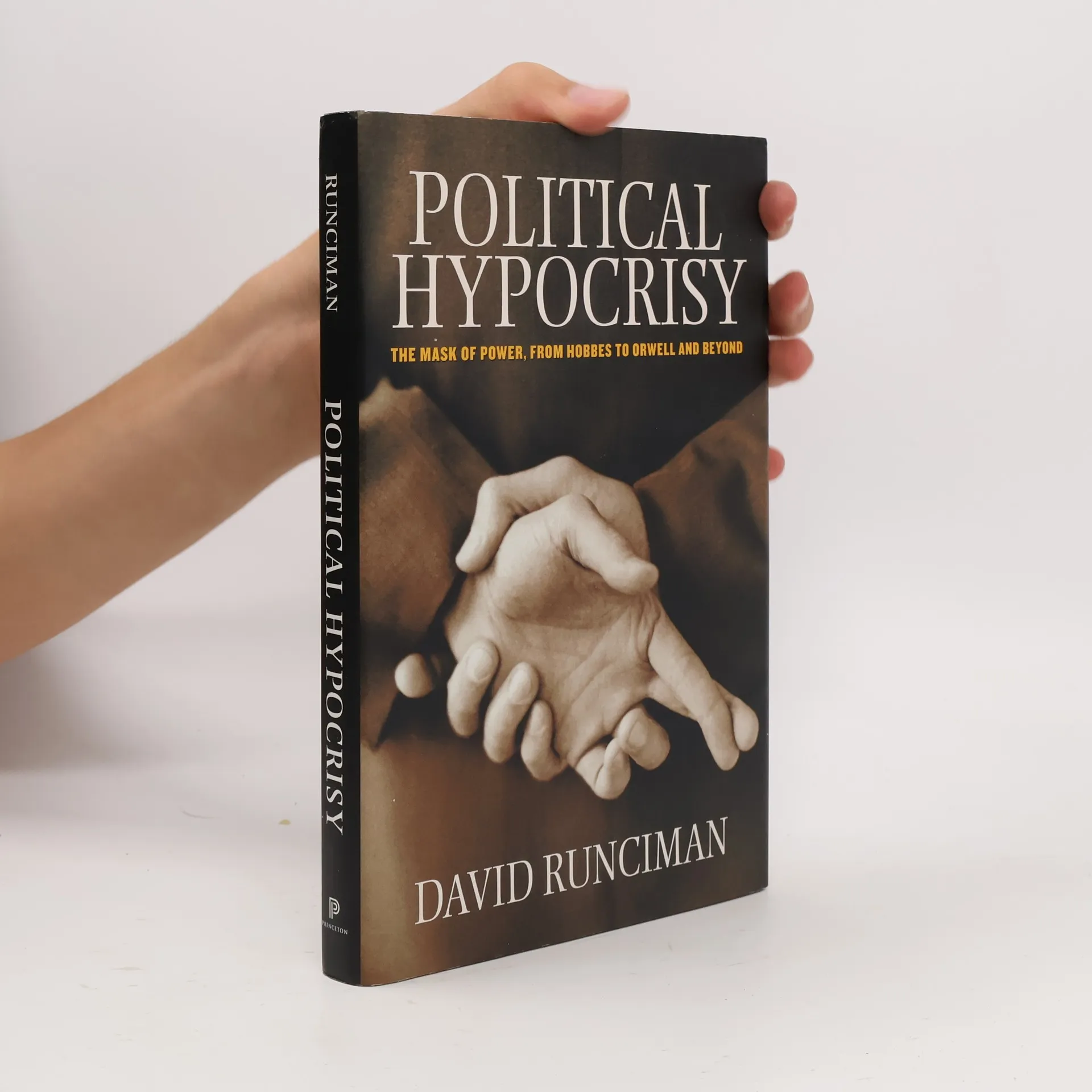
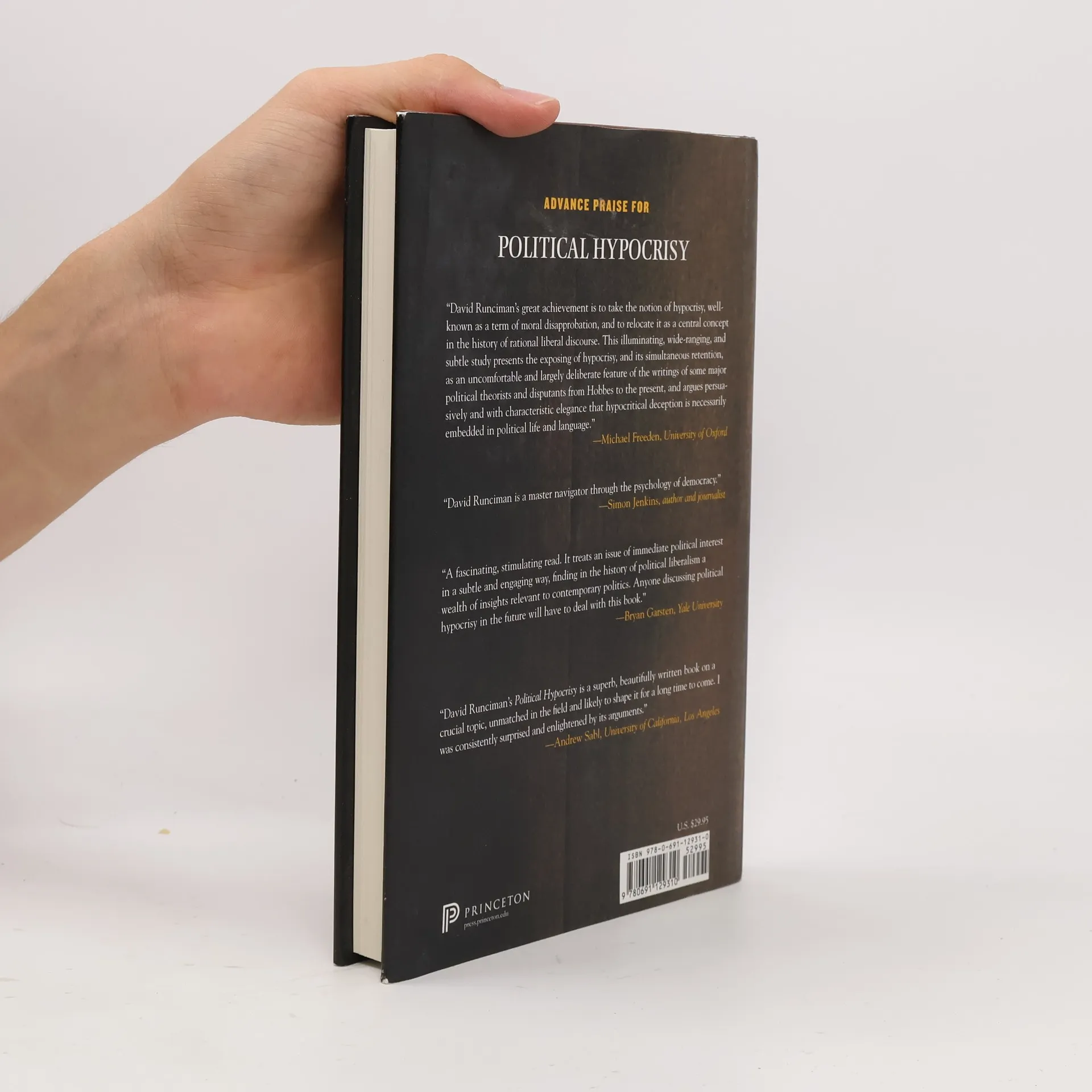
What kind of hypocrite should voters choose as their next leader? While this question may seem cynical, David Runciman argues that it is more naive to believe politics can be entirely sincere. The most dangerous political hypocrisy lies in claiming to have a politics devoid of it. This timely exploration delves into the complexities of sincerity and truth in politics, offering insights on how to navigate these issues without succumbing to hypocrisy ourselves. Runciman draws lessons from influential thinkers like Hobbes, Mandeville, Jefferson, Bentham, Sidgwick, and Orwell, applying their ideas to various hypocritical politicians from Oliver Cromwell to Hillary Clinton. He contends that we must accept hypocrisy as an inherent aspect of politics but should not resign ourselves to it or embrace it cynically. Instead of striving to eliminate all forms of hypocrisy or seeking perfectly authentic politicians, we should differentiate between harmless and harmful hypocrisies, focusing our concerns on the most damaging types. Written in an engaging style, this book reshapes our understanding of political hypocrisy and prompts us to reconsider the limits of truthfulness in politics, as well as when and how we should expect honesty from our leaders.
Buchkauf
Political Hypocrisy, David Runciman
- Sprache

- Erscheinungsdatum
- 2008
- Einband
- (Hardcover)
Keiner hat bisher bewertet.
- Titel
- Political Hypocrisy
- Untertitel
- The Mask of Power, from Hobbes to Orwell and Beyond
- Sprache
- Englisch
- Autor*innen
- David Runciman
- Erscheinungsdatum
- 2008
- Einband
- Hardcover
- Seitenzahl
- 288
- ISBN10
- 0691129312
- ISBN13
- 9780691129310
- Reihe
- Kategorien
- Schlagwörter
- Historisches Thema, Philosophisches Thema, Politik, USA, Politische Theorien, Zivilrecht, Politische Philosophie, Politische Aspekte, Politische Ethik, Heuchelei
- Beschreibung
- What kind of hypocrite should voters choose as their next leader? While this question may seem cynical, David Runciman argues that it is more naive to believe politics can be entirely sincere. The most dangerous political hypocrisy lies in claiming to have a politics devoid of it. This timely exploration delves into the complexities of sincerity and truth in politics, offering insights on how to navigate these issues without succumbing to hypocrisy ourselves. Runciman draws lessons from influential thinkers like Hobbes, Mandeville, Jefferson, Bentham, Sidgwick, and Orwell, applying their ideas to various hypocritical politicians from Oliver Cromwell to Hillary Clinton. He contends that we must accept hypocrisy as an inherent aspect of politics but should not resign ourselves to it or embrace it cynically. Instead of striving to eliminate all forms of hypocrisy or seeking perfectly authentic politicians, we should differentiate between harmless and harmful hypocrisies, focusing our concerns on the most damaging types. Written in an engaging style, this book reshapes our understanding of political hypocrisy and prompts us to reconsider the limits of truthfulness in politics, as well as when and how we should expect honesty from our leaders.