

Parameter
- 544 Seiten
- 20 Lesestunden
Mehr zum Buch
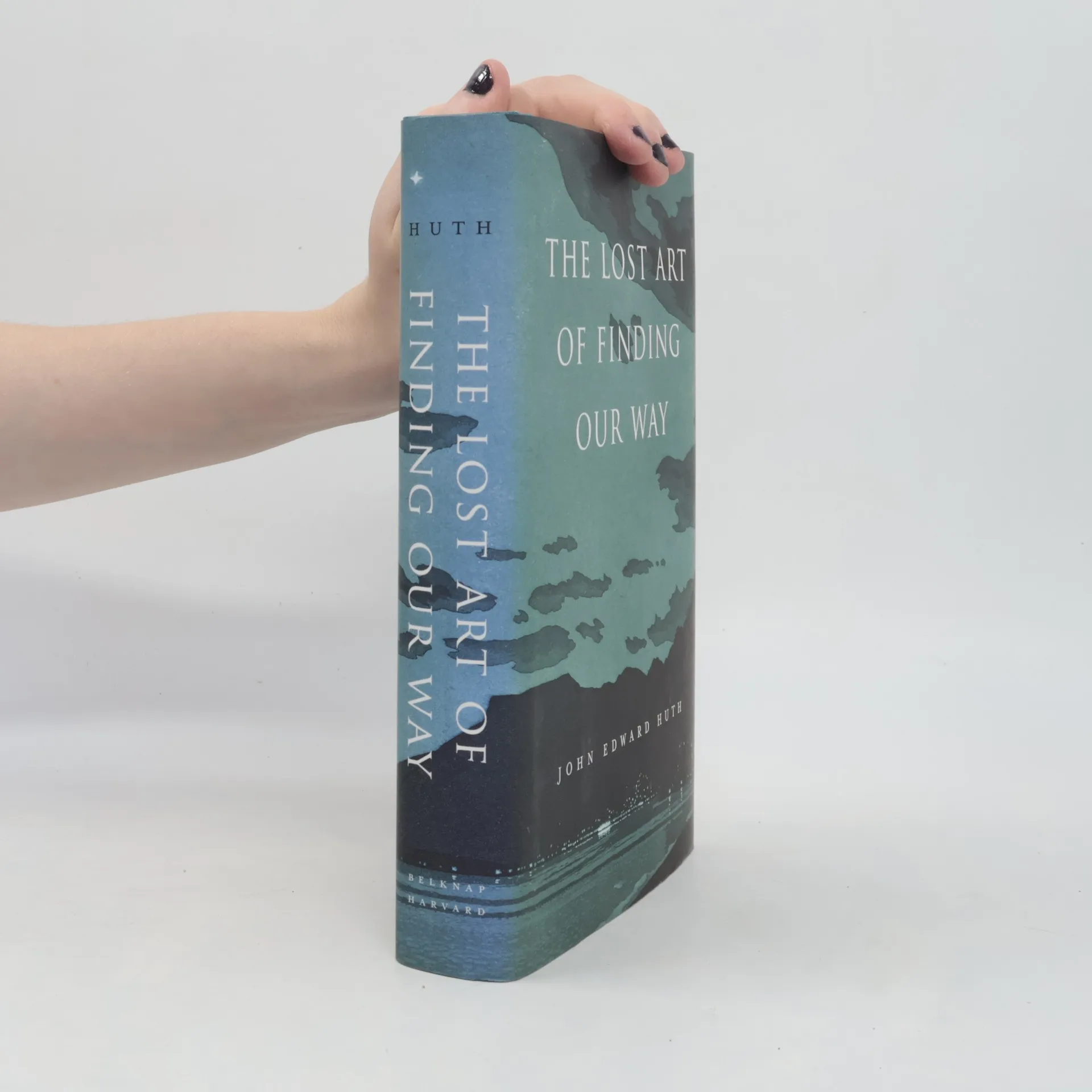
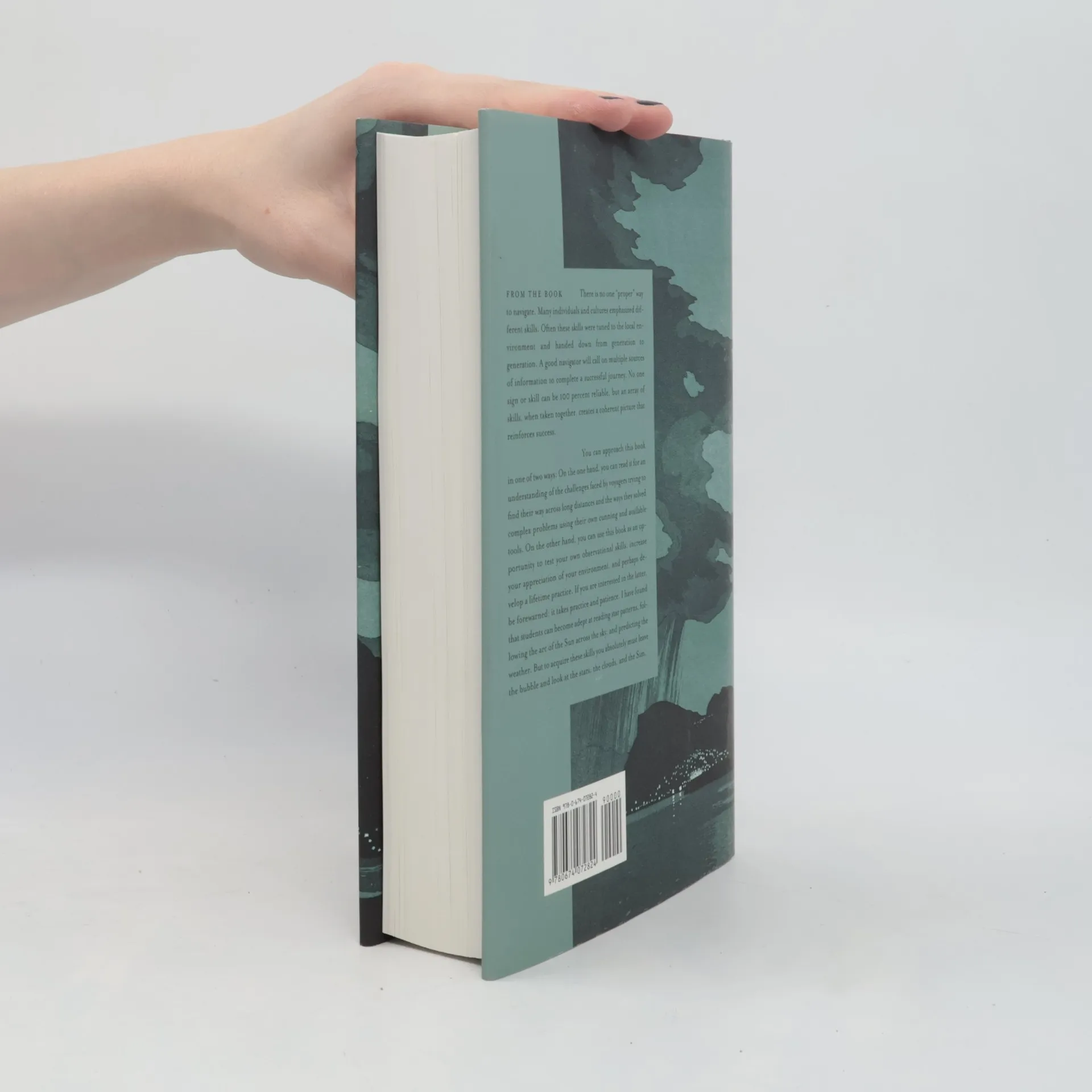
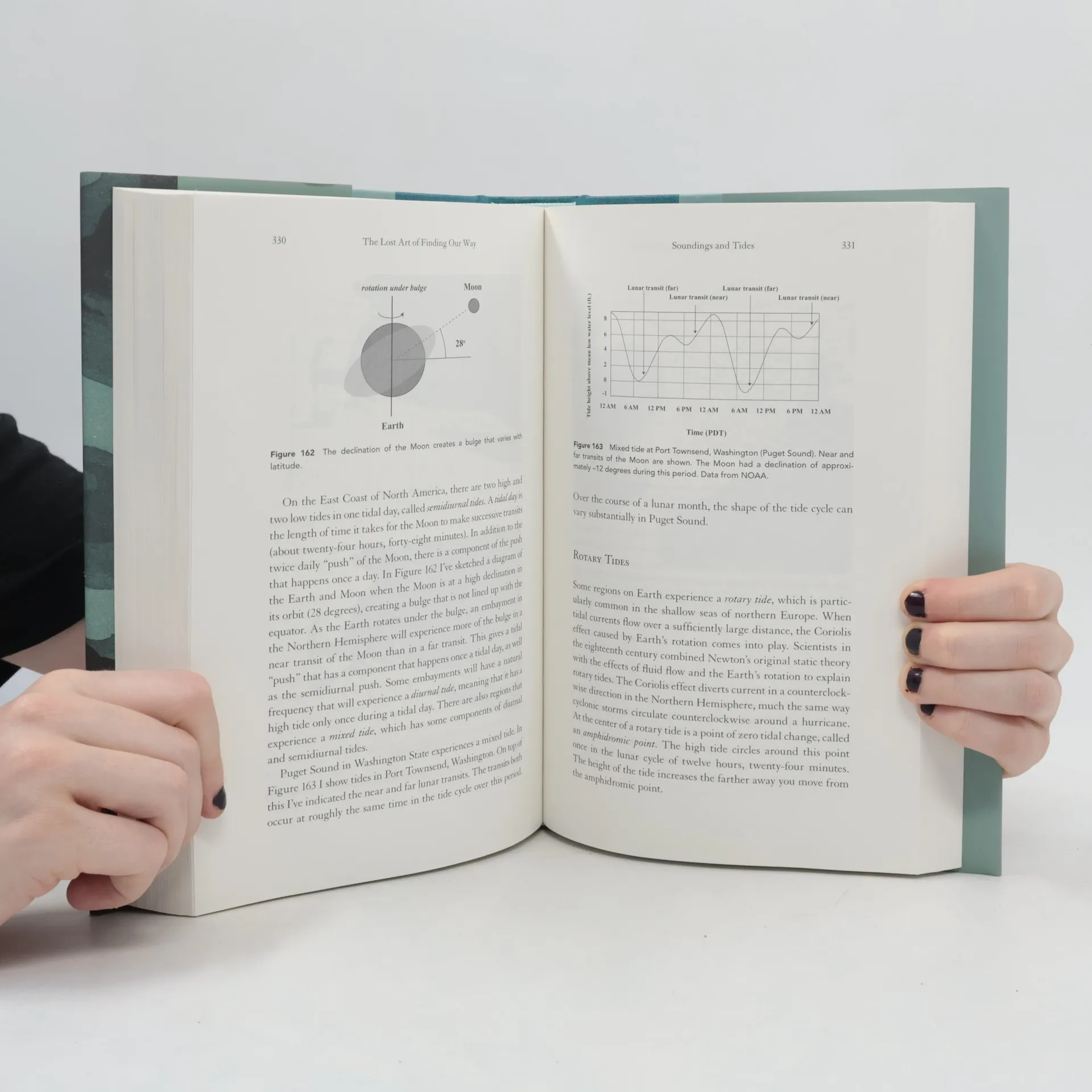
Long before GPS and Google Earth, humans navigated vast distances using environmental clues and simple instruments. John Huth explores what is lost when modern technology replaces our innate navigational skills. This work weaves together astronomy, meteorology, oceanography, and ethnography, immersing readers in the experiences of early navigators for whom environmental awareness was crucial for survival. Reflecting on the fate of two kayakers lost in a fog off Nantucket, Huth illustrates how to navigate using natural phenomena, drawing on techniques used by Vikings, Arab traders, and Pacific Islanders. He emphasizes that we all possess the ability to learn navigation skills, from basic to advanced. Observing the sun, moon, tides, and weather can still guide us today. With nearly 200 illustrations, Huth's compelling narrative blends scientific insights, personal travel experiences, and a vivid re-creation of navigational history. By seeing through the eyes of past voyagers, we gain a clearer perspective of our own world.
Buchkauf
The Lost Art of Finding Our Way, John Edward Huth
- Sprache

- Erscheinungsdatum
- 2013
- Einband
- (Hardcover)
Keiner hat bisher bewertet.
- Titel
- The Lost Art of Finding Our Way
- Sprache
- Englisch
- Autor*innen
- John Edward Huth
- Verlag
- Belknap Press
- Erscheinungsdatum
- 2013
- Einband
- Hardcover
- Seitenzahl
- 544
- ISBN10
- 0674072820
- ISBN13
- 9780674072824
- Reihe
- Kategorien
- Schlagwörter
- Historisches Thema, Natur, Reisen, Naturwissenschaften, Wissenschaft, USA, Weltraum, Geschichte der Wissenschaft, Jahreszeiten, Marine, Wildnis, Navigation, Ozeanografie
- Beschreibung
- Long before GPS and Google Earth, humans navigated vast distances using environmental clues and simple instruments. John Huth explores what is lost when modern technology replaces our innate navigational skills. This work weaves together astronomy, meteorology, oceanography, and ethnography, immersing readers in the experiences of early navigators for whom environmental awareness was crucial for survival. Reflecting on the fate of two kayakers lost in a fog off Nantucket, Huth illustrates how to navigate using natural phenomena, drawing on techniques used by Vikings, Arab traders, and Pacific Islanders. He emphasizes that we all possess the ability to learn navigation skills, from basic to advanced. Observing the sun, moon, tides, and weather can still guide us today. With nearly 200 illustrations, Huth's compelling narrative blends scientific insights, personal travel experiences, and a vivid re-creation of navigational history. By seeing through the eyes of past voyagers, we gain a clearer perspective of our own world.