

The Materials of Sculpture
Autor*innen
Parameter
- 328 Seiten
- 12 Lesestunden
Mehr zum Buch
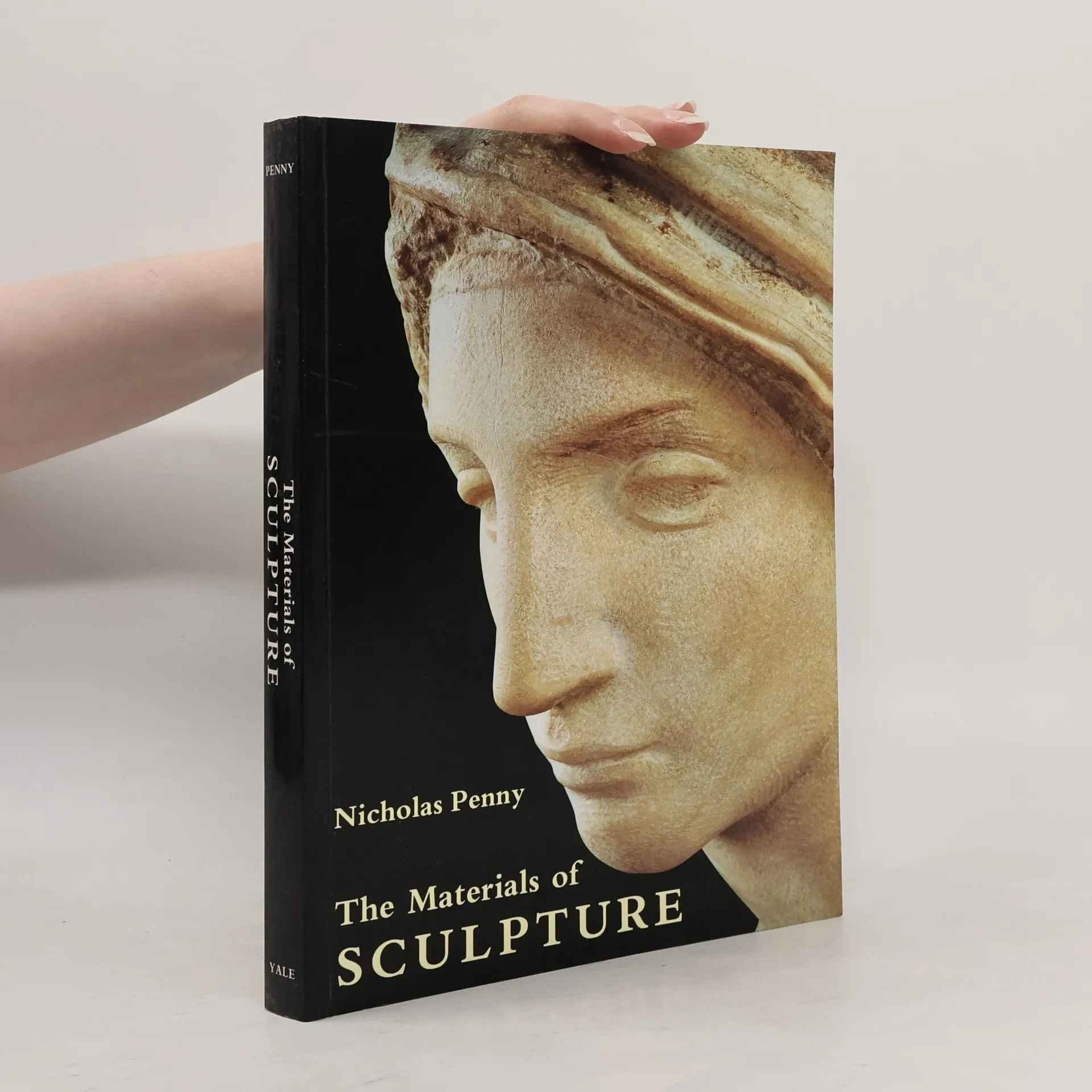
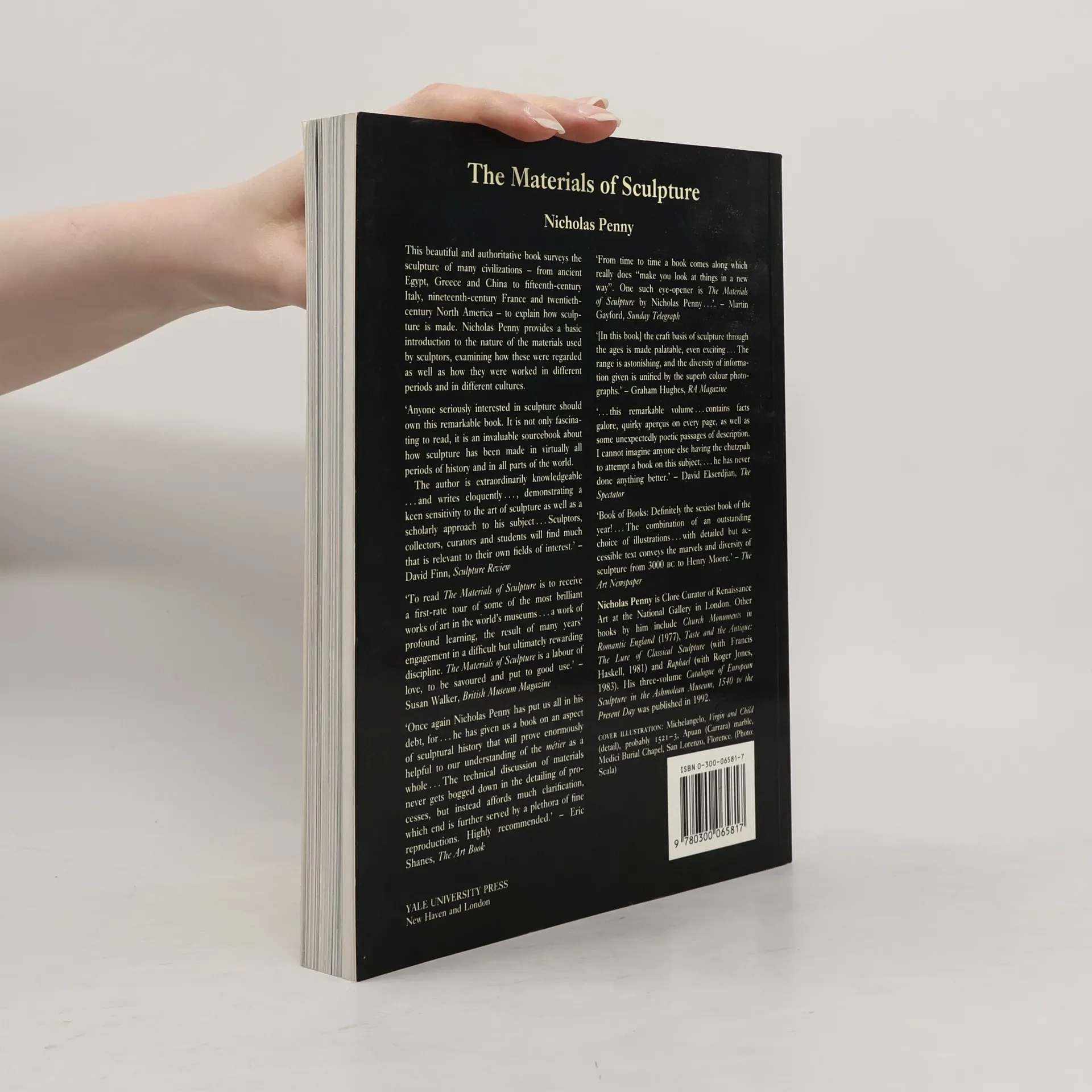
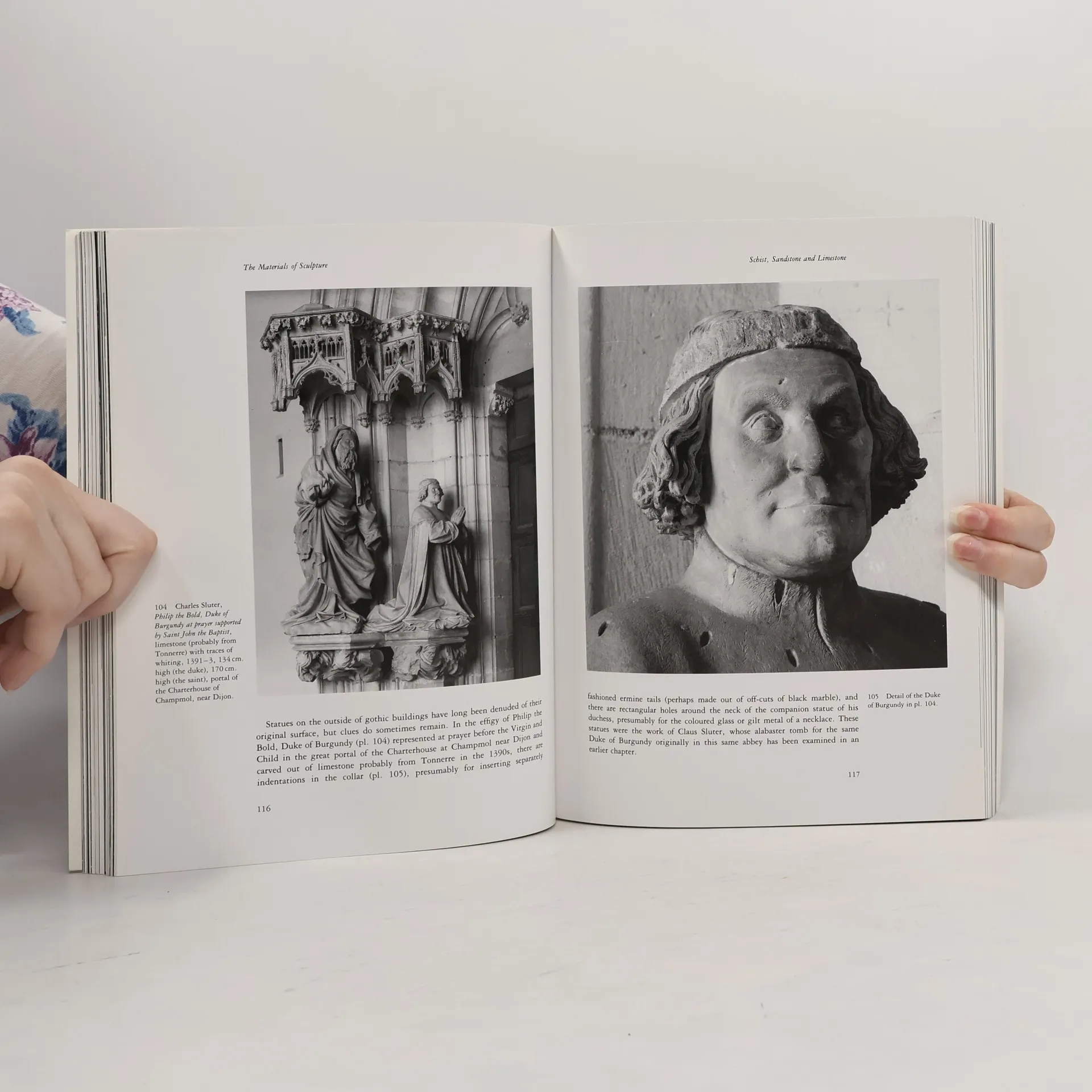
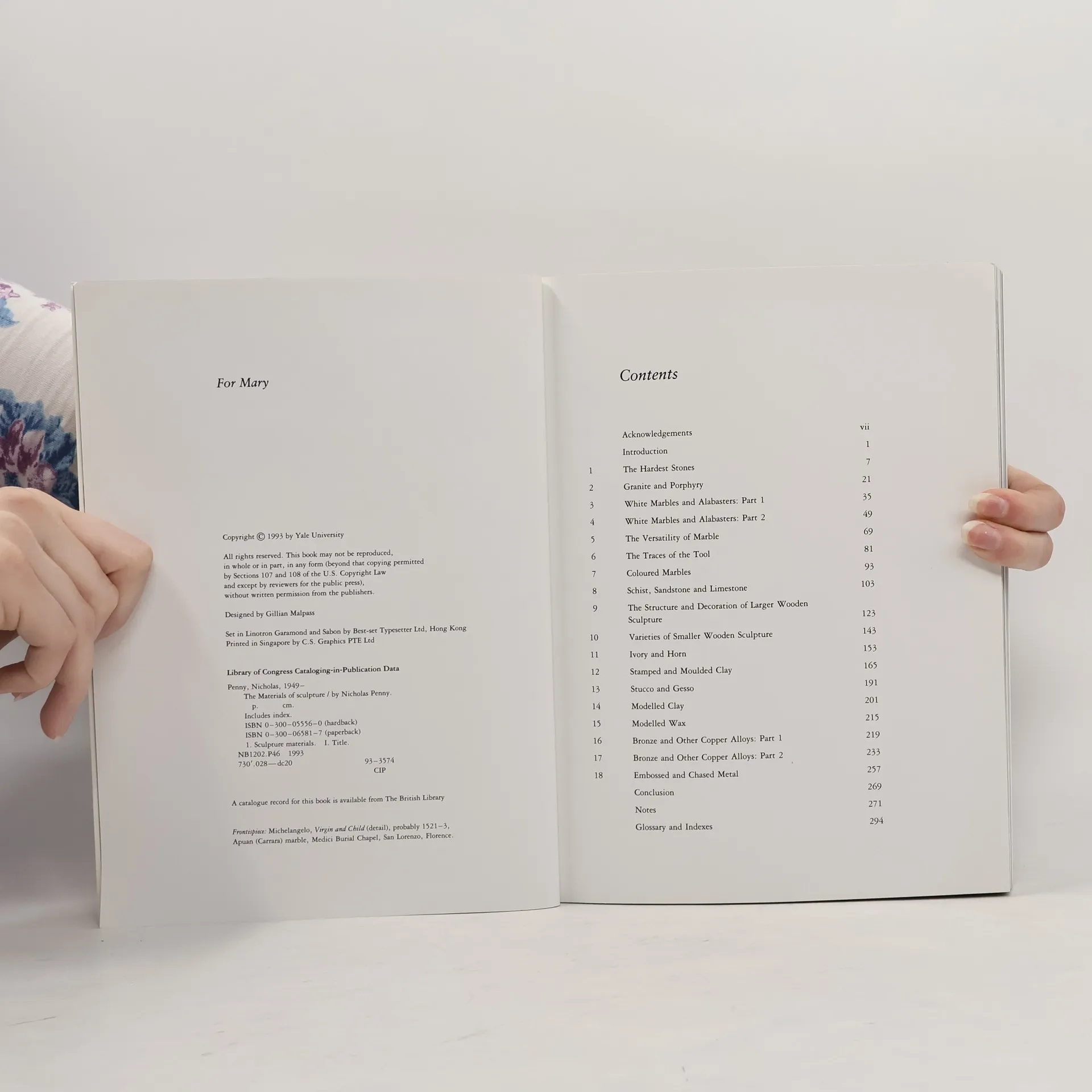
This beautiful book surveys the sculpture of various civilizations, from ancient Egypt, Greece, and China to fifteenth-century Italy, nineteenth-century France, and twentieth-century North America. It introduces the materials used by sculptors, exploring their significance and techniques across different periods and cultures. Beginning with the hardest stones worked with abrasives, it discusses marble, softer stones, and organic materials like wood and ivory. The book also covers plastic materials such as clay, stucco, gesso, and wax, examining both molded and modeled forms, as well as the casting and tooling of metal. Each chapter highlights the specific limitations and challenges of each material, addressing aspects like availability, value, durability, versatility, size, and color. The author considers how artists have transferred techniques between mediums and sought to replicate effects associated with different materials, questioning the traditional notion of the relationship between truth and material in sculptural education. Rich in facts from rare publications and incorporating recent research, the book combines valuable information with thought-provoking insights, making it a welcome resource for sculpture enthusiasts and an essential guide for students.
Buchkauf
The Materials of Sculpture, Nicholas Penny
- Sprache

- Erscheinungsdatum
- 1993
- Einband
- (Paperback)
Keiner hat bisher bewertet.
- Titel
- The Materials of Sculpture
- Sprache
- Englisch
- Autor*innen
- Nicholas Penny
- Verlag
- Yale University Press
- Erscheinungsdatum
- 1993
- Einband
- Paperback
- Seitenzahl
- 328
- ISBN10
- 0300065817
- ISBN13
- 9780300065817
- Reihe
- Kategorien
- Schlagwörter
- Historisches Thema, Kunst, USA, Kunstgeschichte, Bildhauerkunst
- Beschreibung
- This beautiful book surveys the sculpture of various civilizations, from ancient Egypt, Greece, and China to fifteenth-century Italy, nineteenth-century France, and twentieth-century North America. It introduces the materials used by sculptors, exploring their significance and techniques across different periods and cultures. Beginning with the hardest stones worked with abrasives, it discusses marble, softer stones, and organic materials like wood and ivory. The book also covers plastic materials such as clay, stucco, gesso, and wax, examining both molded and modeled forms, as well as the casting and tooling of metal. Each chapter highlights the specific limitations and challenges of each material, addressing aspects like availability, value, durability, versatility, size, and color. The author considers how artists have transferred techniques between mediums and sought to replicate effects associated with different materials, questioning the traditional notion of the relationship between truth and material in sculptural education. Rich in facts from rare publications and incorporating recent research, the book combines valuable information with thought-provoking insights, making it a welcome resource for sculpture enthusiasts and an essential guide for students.