

Parameter
- 735 Seiten
- 26 Lesestunden
Mehr zum Buch
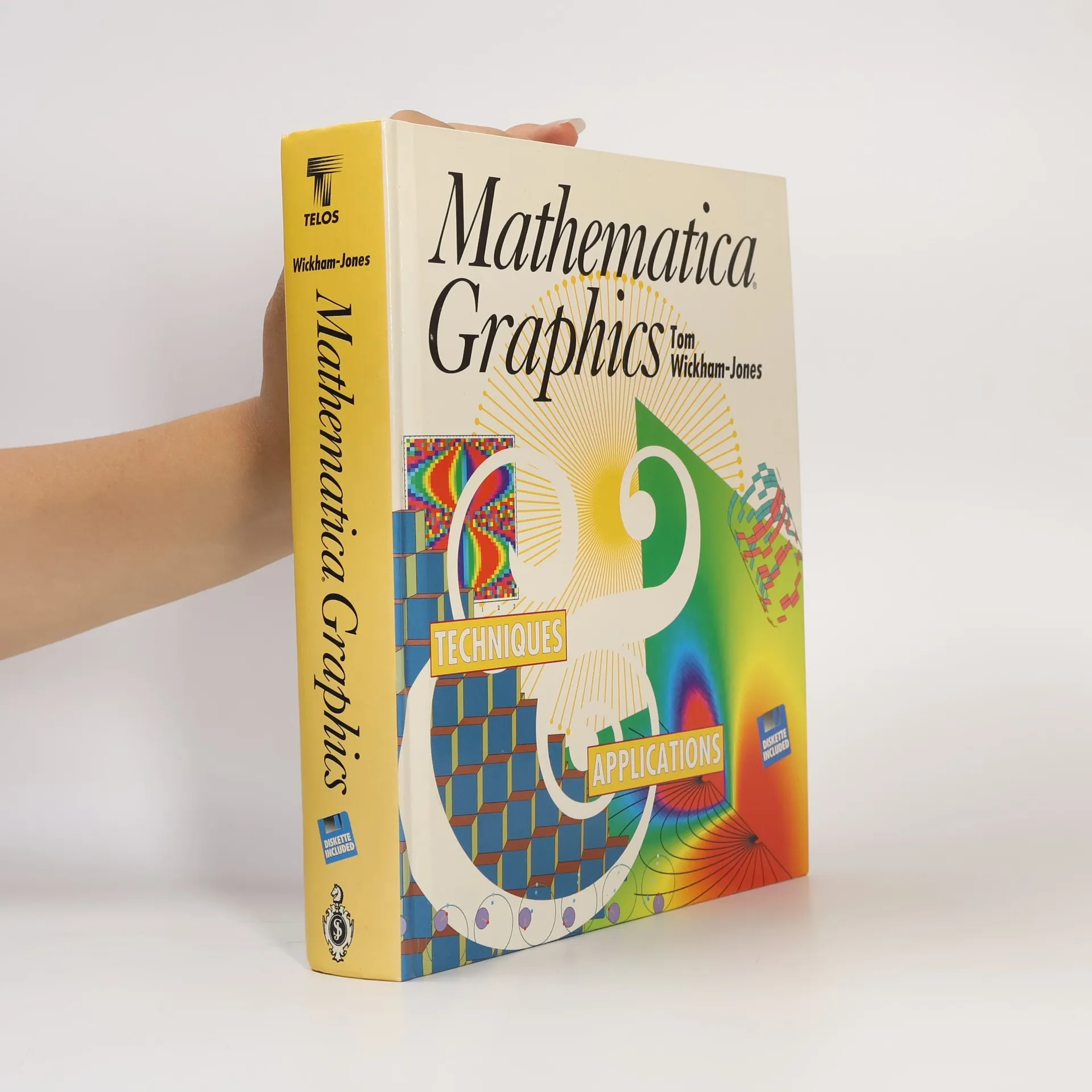
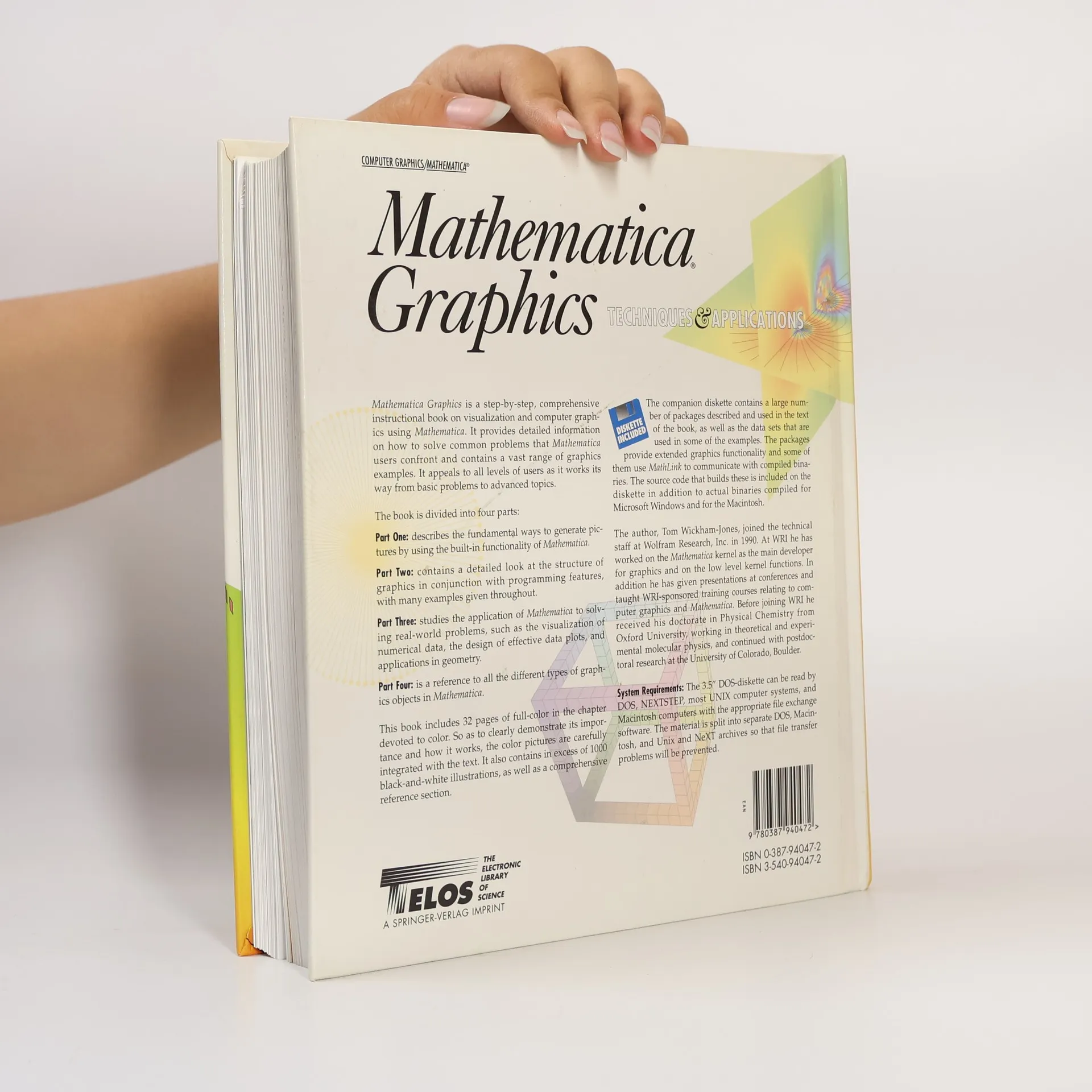
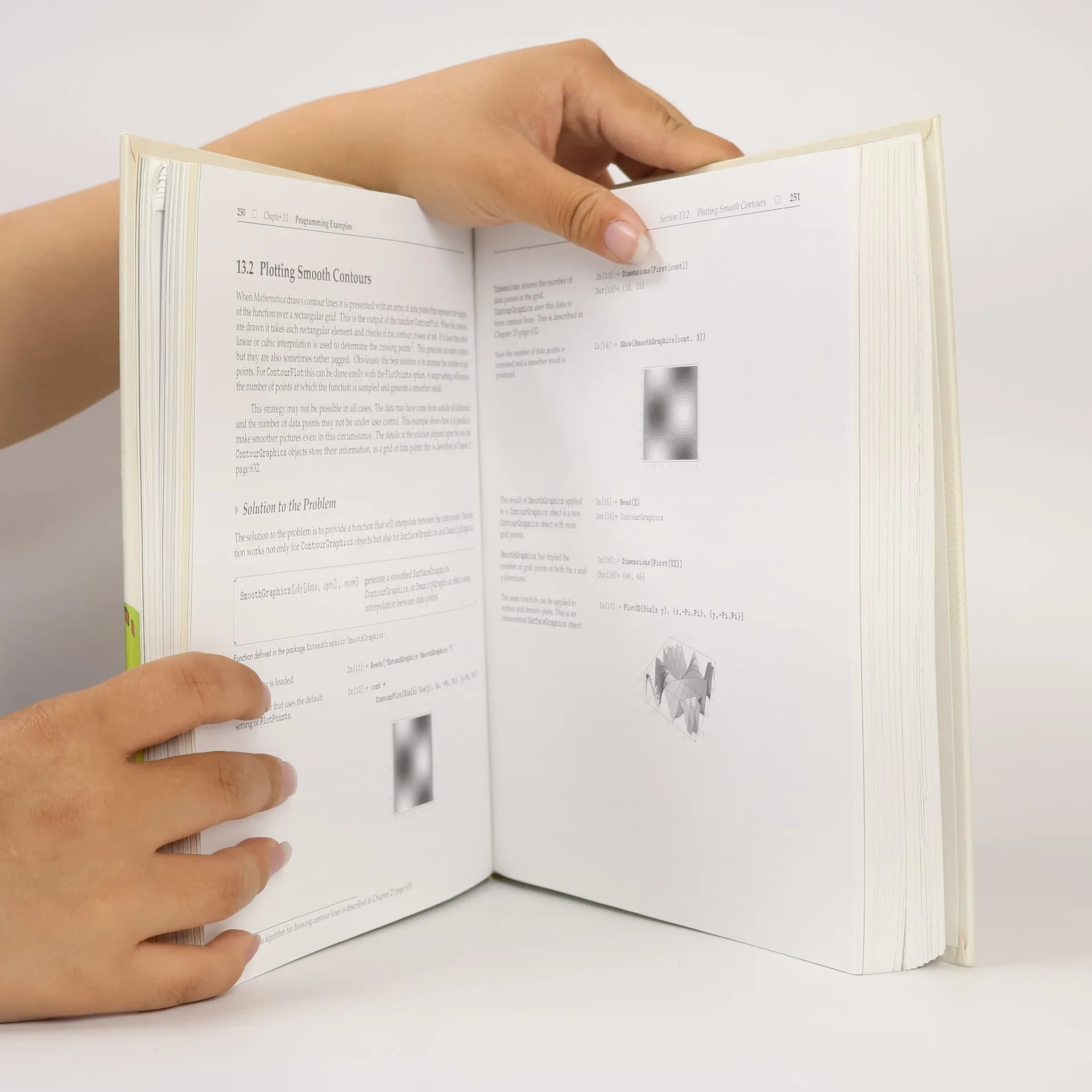
Preface Mathematica introduced two important innovations to computer graphics. The first was the close integration of high-quality graphics in a computational system. Before Mathematica, graphics systems tended to be separated from computational systems. This meant that after results had been generated in the latter they needed to be exported to the former. Mathematica demonstrated that graphics were an indispensable component. Integration was more than a matter of convenience; it expanded the type of work that could be attempted. The other innovation, more far-reaching, is the way that Mathematica treats graphics objects in symbolic or object form using a high-level programming language. This allows graphical elements to be developed that build upon lower-level primitives and can themselves be combined into yet more complex elements. In addition to these programming capabilities Mathematica provides a huge set of functions that range from file input and output, through numerical functions, to symbolic mathematics. With all these tools Mathematica works well for a wide range of graphical applications, from creating specific plots to constructing very general diagrams and figures.
Buchkauf
Mathematica Graphics, Tom Wickham-Jones
- Sprache

- Erscheinungsdatum
- 1994
- Einband
- (Hardcover)
Keiner hat bisher bewertet.
- Titel
- Mathematica Graphics
- Untertitel
- Techniques & Applications
- Sprache
- Englisch
- Autor*innen
- Tom Wickham-Jones
- Verlag
- Springer
- Erscheinungsdatum
- 1994
- Einband
- Hardcover
- Seitenzahl
- 735
- ISBN10
- 0387940472
- ISBN13
- 9780387940472
- Reihe
- Kategorien
- Schlagwörter
- Künstliche Intelligenz, Algorithmen, Hardware, Computergraphik
- Beschreibung
- Preface Mathematica introduced two important innovations to computer graphics. The first was the close integration of high-quality graphics in a computational system. Before Mathematica, graphics systems tended to be separated from computational systems. This meant that after results had been generated in the latter they needed to be exported to the former. Mathematica demonstrated that graphics were an indispensable component. Integration was more than a matter of convenience; it expanded the type of work that could be attempted. The other innovation, more far-reaching, is the way that Mathematica treats graphics objects in symbolic or object form using a high-level programming language. This allows graphical elements to be developed that build upon lower-level primitives and can themselves be combined into yet more complex elements. In addition to these programming capabilities Mathematica provides a huge set of functions that range from file input and output, through numerical functions, to symbolic mathematics. With all these tools Mathematica works well for a wide range of graphical applications, from creating specific plots to constructing very general diagrams and figures.