


Mehr zum Buch
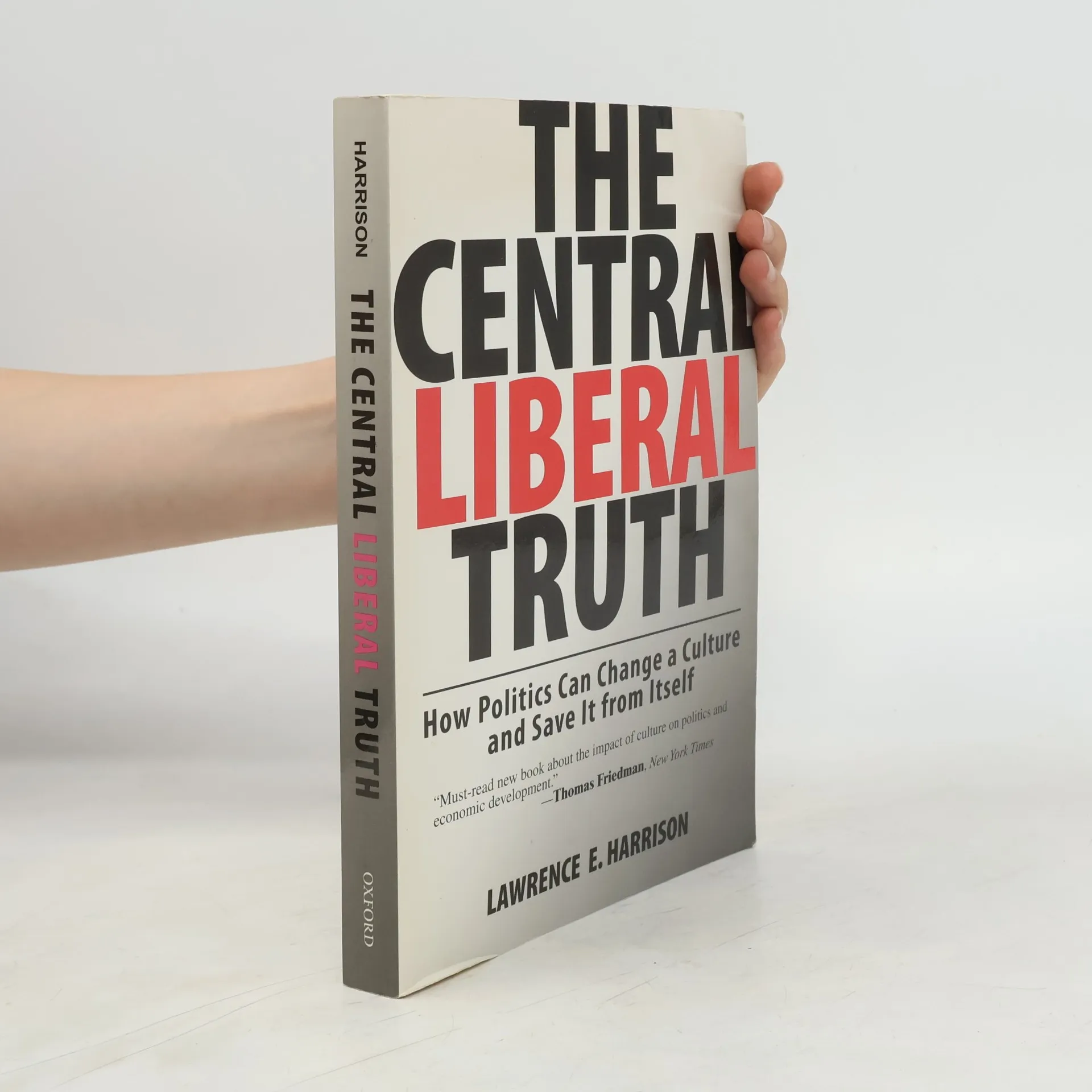
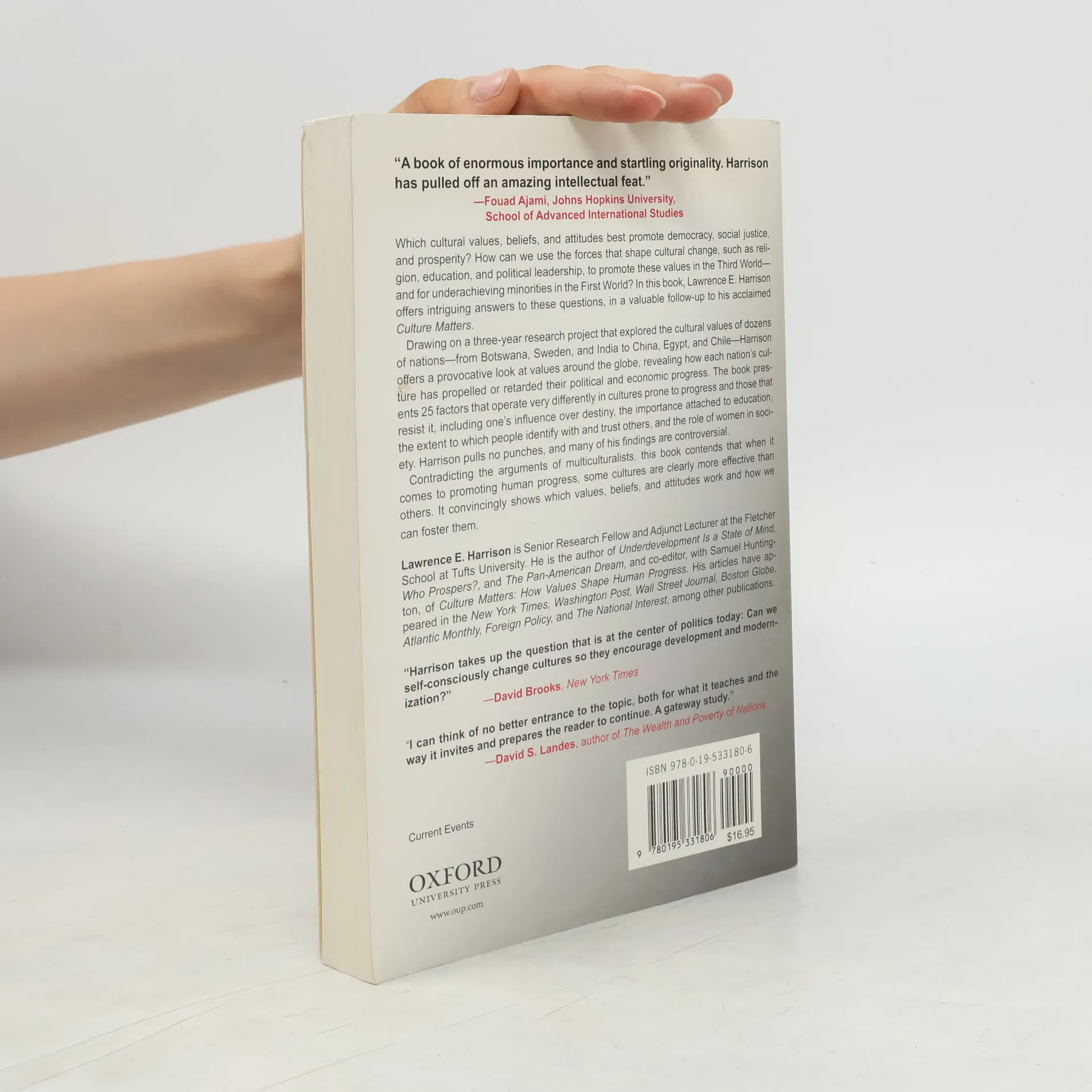
Which cultural values, beliefs, and attitudes best promote democracy, social justice, and prosperity? This book explores how to leverage forces shaping cultural change, such as religion, education, and political leadership, to enhance these values in the Third World and among underachieving minorities in the First World. Drawing from a three-year research project on the cultural values of nations like Botswana, Sweden, India, China, Egypt, and Chile, the author provides a provocative analysis of global values and their impact on political and economic progress. It identifies 25 factors that function differently across cultures, such as the perception of personal agency, the significance of education, trust among individuals, and women's societal roles. The findings challenge multiculturalist perspectives, arguing that some cultures are more effective in fostering human progress than others. The book convincingly illustrates which values and attitudes are beneficial and how they can be encouraged. It raises critical questions about the potential for intentional cultural change to support development and modernization, making it an essential read for those interested in the intersection of culture and progress.
Buchkauf
The Central Liberal Truth, Lawrence E. Harrison
- Sprache

- Erscheinungsdatum
- 2008
- Einband
- (Paperback),
- Buchzustand
- Gebraucht - Gut
- Preis
- € 1,99
Keiner hat bisher bewertet.
- Titel
- The Central Liberal Truth
- Untertitel
- How Politics Can Change a Culture and Save It from Itself
- Sprache
- Englisch
- Autor*innen
- Lawrence E. Harrison
- Verlag
- Oxford University Press
- Erscheinungsdatum
- 2008
- Einband
- Paperback
- Seitenzahl
- 272
- ISBN10
- 019533180X
- ISBN13
- 9780195331806
- Reihe
- Kategorien
- Schlagwörter
- Politik, Kultur und Gesellschaft
- Beschreibung
- Which cultural values, beliefs, and attitudes best promote democracy, social justice, and prosperity? This book explores how to leverage forces shaping cultural change, such as religion, education, and political leadership, to enhance these values in the Third World and among underachieving minorities in the First World. Drawing from a three-year research project on the cultural values of nations like Botswana, Sweden, India, China, Egypt, and Chile, the author provides a provocative analysis of global values and their impact on political and economic progress. It identifies 25 factors that function differently across cultures, such as the perception of personal agency, the significance of education, trust among individuals, and women's societal roles. The findings challenge multiculturalist perspectives, arguing that some cultures are more effective in fostering human progress than others. The book convincingly illustrates which values and attitudes are beneficial and how they can be encouraged. It raises critical questions about the potential for intentional cultural change to support development and modernization, making it an essential read for those interested in the intersection of culture and progress.