


Parameter
- 144 Seiten
- 6 Lesestunden
Mehr zum Buch
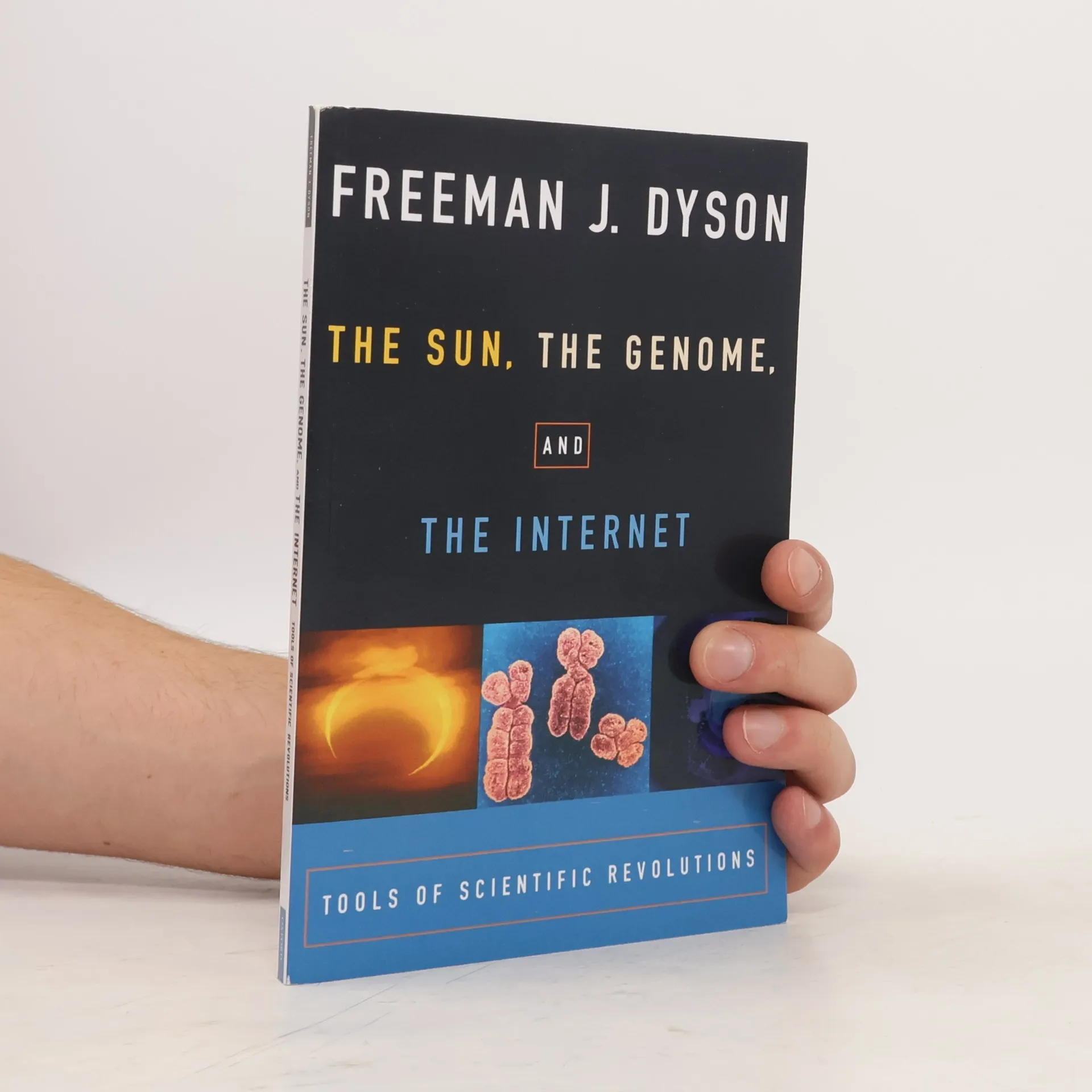
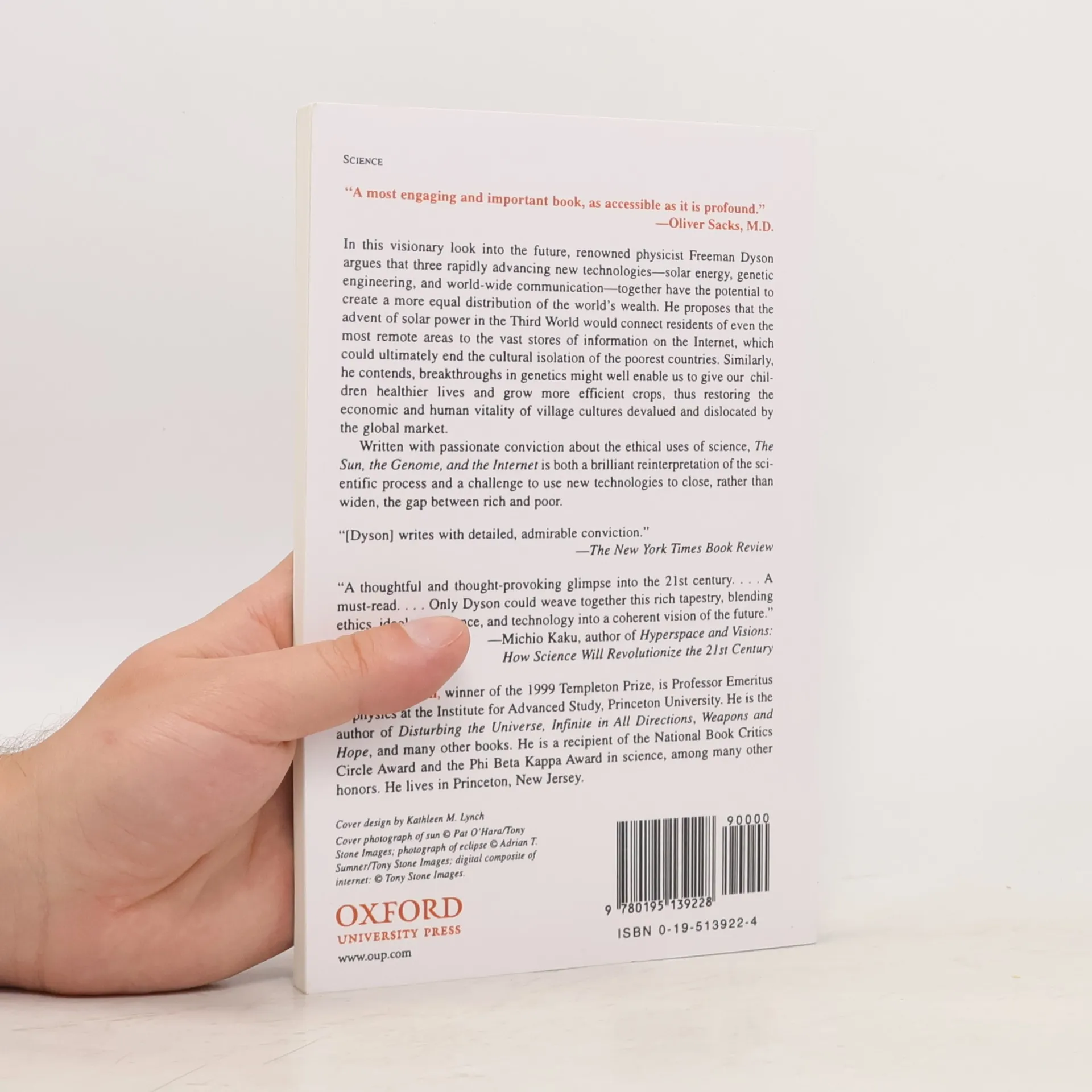
In this visionary exploration, Freeman Dyson posits that technological advancements fundamentally reshape our ethical and social frameworks. He focuses on three rapidly evolving technologies—solar energy, genetic engineering, and global communication—that hold the potential to promote a more equitable distribution of wealth. Dyson challenges the notion that scientific revolutions are primarily driven by concepts, arguing instead that new tools often ignite scientific discovery. These tool-driven revolutions have significant social ramifications, illustrated by examples like the telescope's impact on the Medieval worldview and the rise of household appliances in the 1950s, which transformed domestic labor. Looking forward, Dyson suggests that solar energy, genetics, and the Internet will similarly revolutionize society. Solar power could provide electricity to the most impoverished and isolated regions, granting access to vast information and ending cultural isolation. Breakthroughs in genetics may enable healthier lives for future generations and more efficient crop production, revitalizing village cultures affected by the global market. With passionate conviction regarding the ethical applications of science, this work serves as both a profound reinterpretation of the scientific process and a call to harness new technologies to bridge the gap between the affluent and the disadvantaged.
Buchkauf
The Sun, the Genome and the Internet, Freeman Dyson
- Sprache

- Erscheinungsdatum
- 2000
- Einband
- (Paperback)
Keiner hat bisher bewertet.
- Titel
- The Sun, the Genome and the Internet
- Untertitel
- Tools of Scientific Revolutions - New York Public Library Lectures in Humanities
- Sprache
- Englisch
- Autor*innen
- Freeman Dyson
- Verlag
- New York Public Library
- Erscheinungsdatum
- 2000
- Einband
- Paperback
- Seitenzahl
- 144
- ISBN10
- 0195139224
- ISBN13
- 9780195139228
- Reihe
- Kategorien
- Schlagwörter
- Historisches Thema, Philosophisches Thema, Wissenschaft, USA, Technologie, Internet, Soziale Aspekte
- Beschreibung
- In this visionary exploration, Freeman Dyson posits that technological advancements fundamentally reshape our ethical and social frameworks. He focuses on three rapidly evolving technologies—solar energy, genetic engineering, and global communication—that hold the potential to promote a more equitable distribution of wealth. Dyson challenges the notion that scientific revolutions are primarily driven by concepts, arguing instead that new tools often ignite scientific discovery. These tool-driven revolutions have significant social ramifications, illustrated by examples like the telescope's impact on the Medieval worldview and the rise of household appliances in the 1950s, which transformed domestic labor. Looking forward, Dyson suggests that solar energy, genetics, and the Internet will similarly revolutionize society. Solar power could provide electricity to the most impoverished and isolated regions, granting access to vast information and ending cultural isolation. Breakthroughs in genetics may enable healthier lives for future generations and more efficient crop production, revitalizing village cultures affected by the global market. With passionate conviction regarding the ethical applications of science, this work serves as both a profound reinterpretation of the scientific process and a call to harness new technologies to bridge the gap between the affluent and the disadvantaged.