

Mehr zum Buch
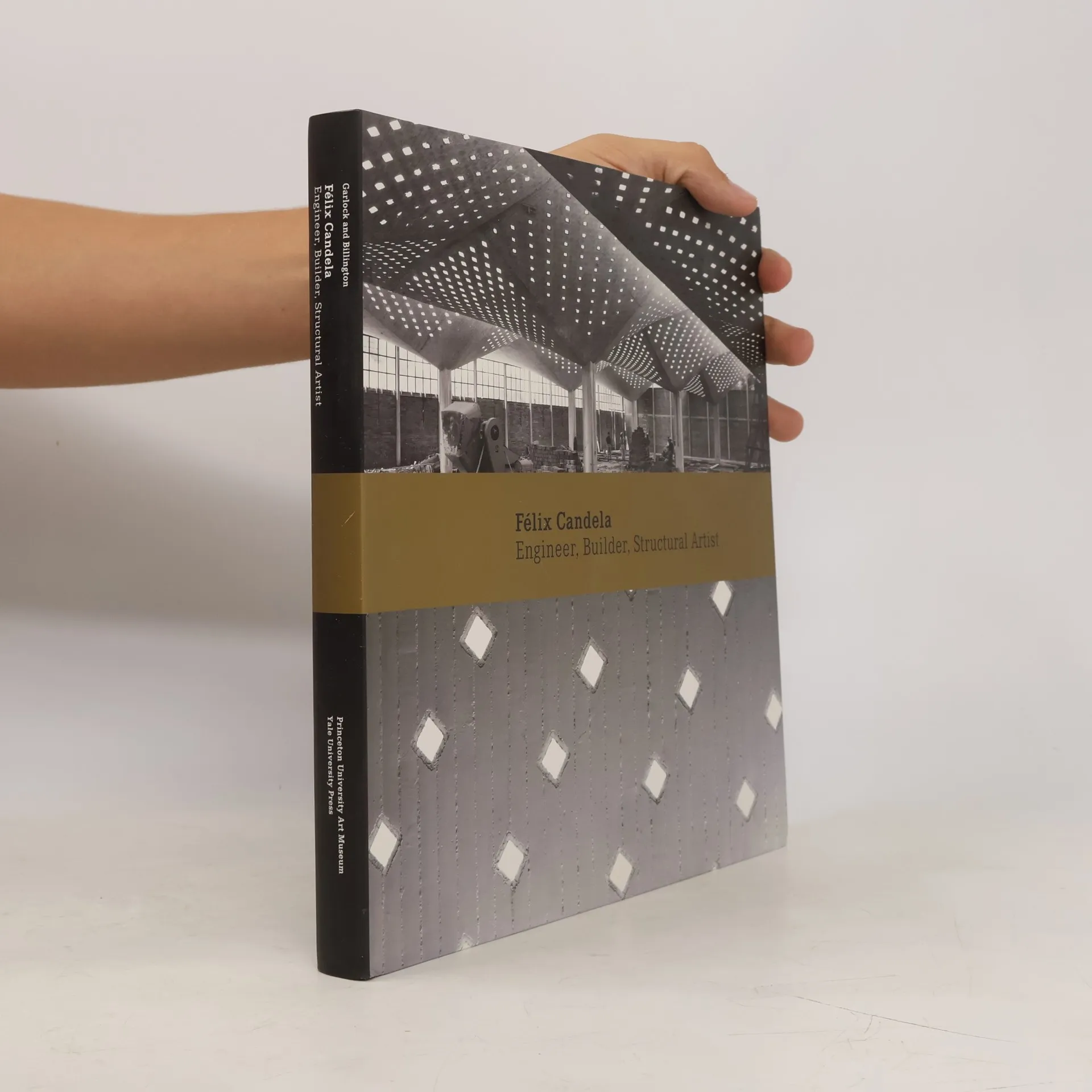
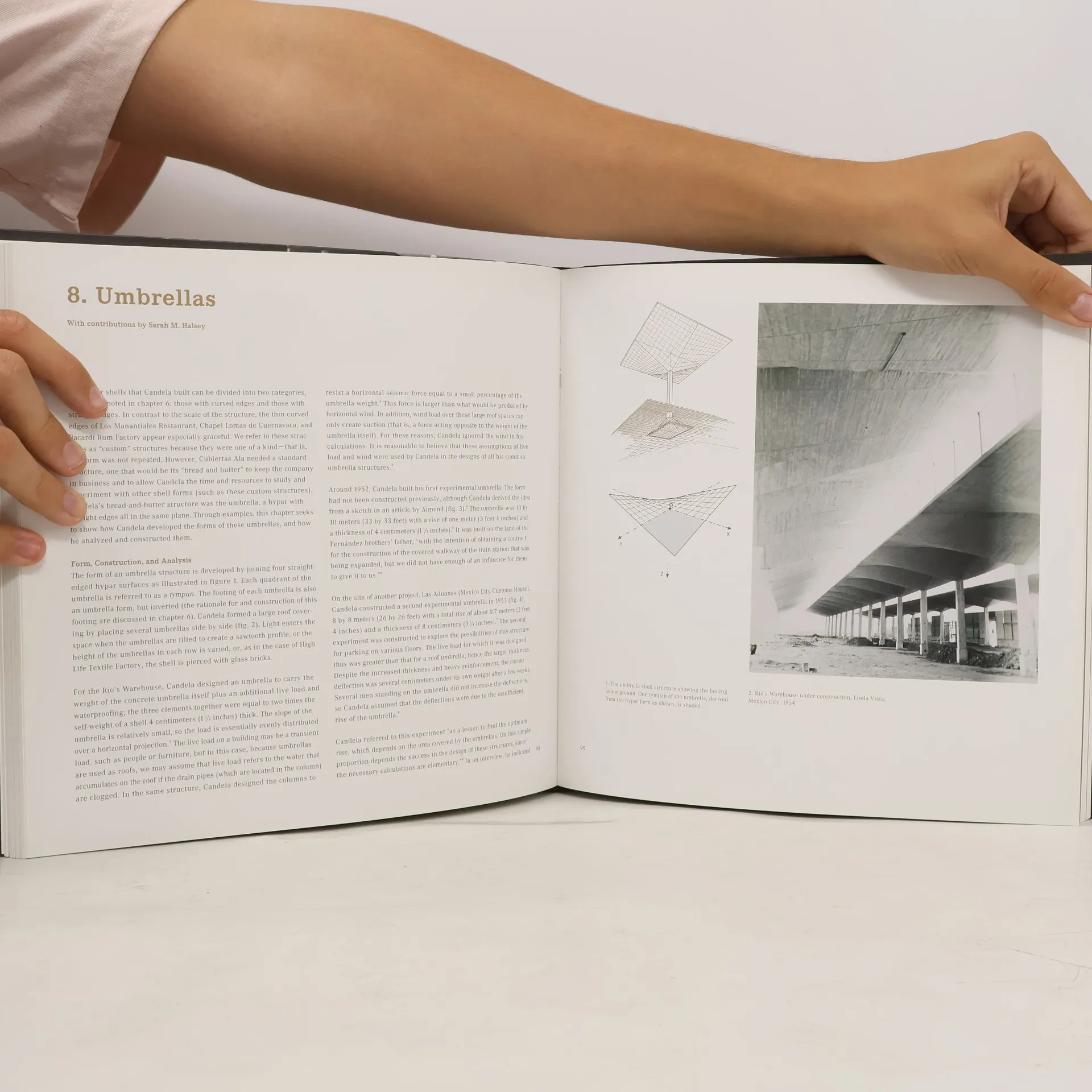
Spanish-born Félix Candela (1910–1997) is acknowledged as a master builder who designed and built innovative thin shell concrete roof structures in Mexico. This book goes further, however, hailing Candela as a structural engineer whose elegant forms should be considered works of art. This handsomely designed volume begins by presenting the lineage of master builders and structural artists who preceded him, including those from the period of the Industrial Revolution. The authors then examine Candela’s life, studies, and experiences, and analyze his early thin shell designs. They focus on the geometric form that Candela eventually used to create his most important works, examine several of the structures in detail, compare them to the works of other contemporary structural artists, and discuss the most important features of his legacy: the conservation of natural resources by minimizing materials; the reduction of cost by intimately connecting design to construction, and the creation of beautiful forms.
Buchkauf
Félix Candela, David P. Billington, Maria E. Moreyra Garlock
- Sprache

- Erscheinungsdatum
- 2008
- Einband
- (Paperback)
Keiner hat bisher bewertet.
- Titel
- Félix Candela
- Untertitel
- Engineer, Builder, Structural Artist
- Sprache
- Englisch
- Autor*innen
- David P. Billington, Maria E. Moreyra Garlock
- Verlag
- Yale University Press
- Erscheinungsdatum
- 2008
- Einband
- Paperback
- Seitenzahl
- 207
- ISBN10
- 0300122098
- ISBN13
- 9780300122091
- Reihe
- Schlagwörter
- Architektur, Technologie, Spanien
- Beschreibung
- Spanish-born Félix Candela (1910–1997) is acknowledged as a master builder who designed and built innovative thin shell concrete roof structures in Mexico. This book goes further, however, hailing Candela as a structural engineer whose elegant forms should be considered works of art. This handsomely designed volume begins by presenting the lineage of master builders and structural artists who preceded him, including those from the period of the Industrial Revolution. The authors then examine Candela’s life, studies, and experiences, and analyze his early thin shell designs. They focus on the geometric form that Candela eventually used to create his most important works, examine several of the structures in detail, compare them to the works of other contemporary structural artists, and discuss the most important features of his legacy: the conservation of natural resources by minimizing materials; the reduction of cost by intimately connecting design to construction, and the creation of beautiful forms.