

Ausverkauft, aber heiß begehrt!
Parameter
- 256 Seiten
- 9 Lesestunden
Mehr zum Buch
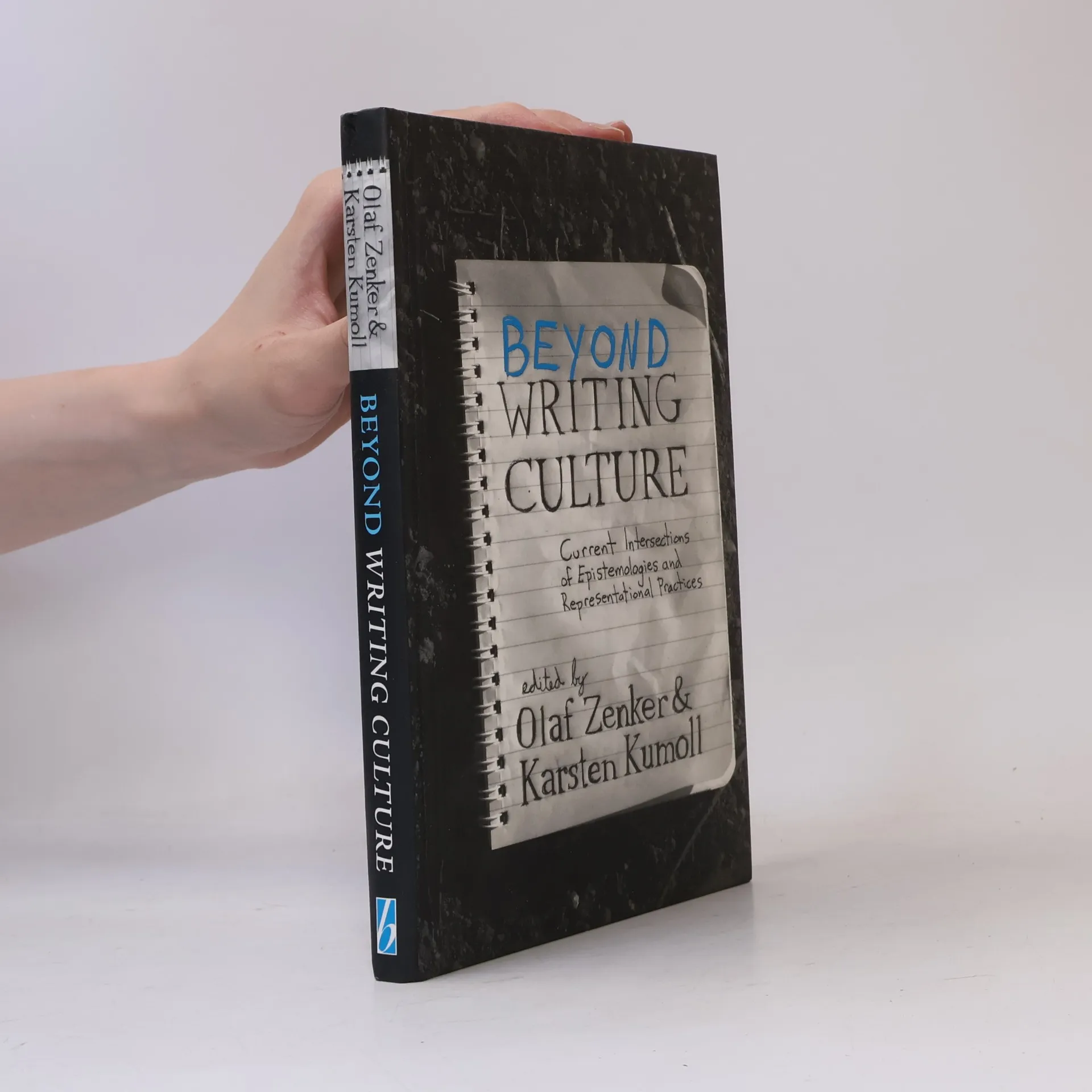
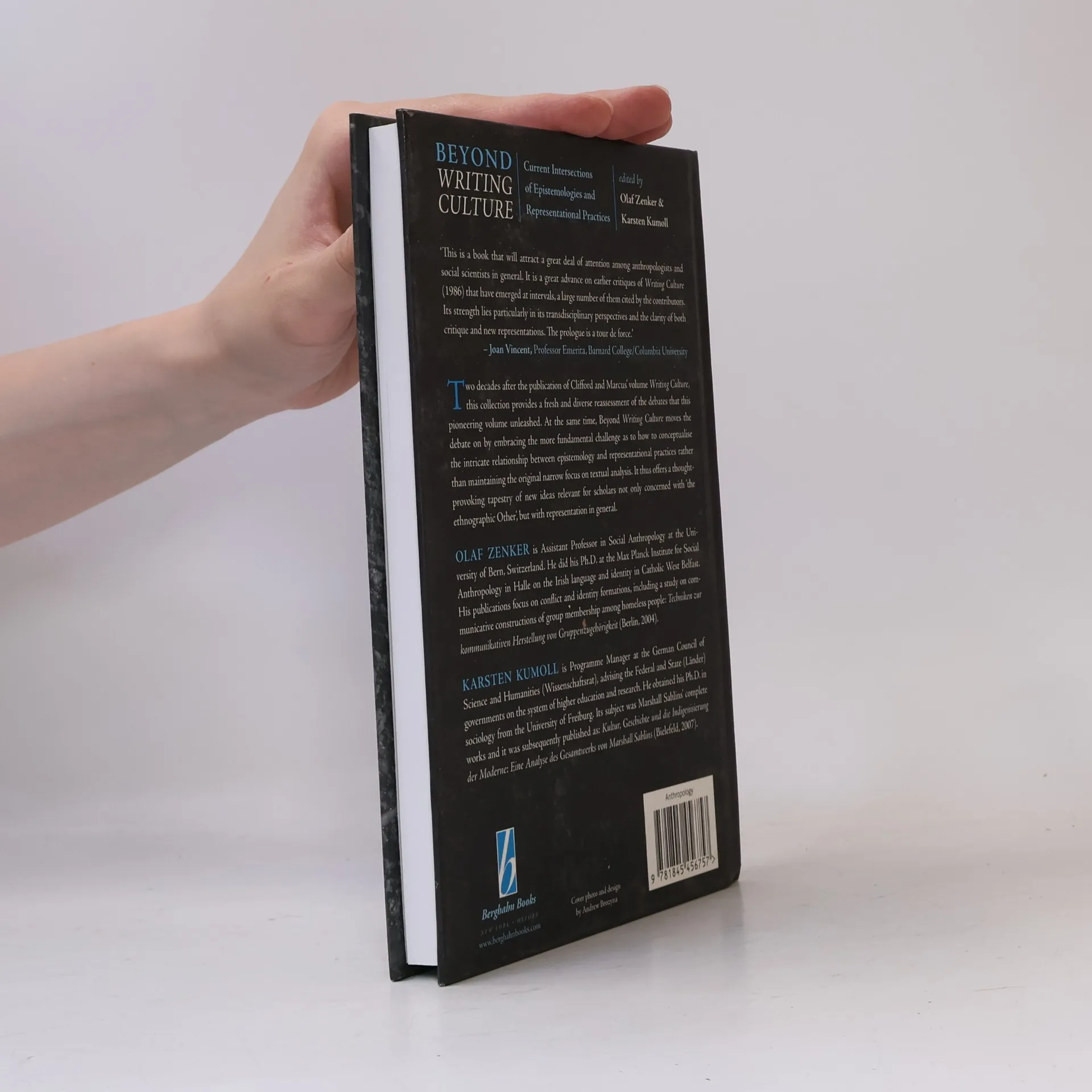
Two decades after the publication of Clifford and Marcus’ volume Writing Culture , this collection provides a fresh and diverse reassessment of the debates that this pioneering volume unleashed. At the same time, Beyond Writing Culture moves the debate on by embracing the more fundamental challenge as to how to conceptualise the intricate relationship between epistemology and representational practices rather than maintaining the original narrow focus on textual analysis. It thus offers a thought-provoking tapestry of new ideas relevant for scholars not only concerned with ‘the ethnographic Other’, but with representation in general.
Buchkauf
Beyond Writing Culture, Olaf Zenker, Karsten Kumoll
- Sprache

- Erscheinungsdatum
- 2010
- Einband
- (Hardcover)
Wir benachrichtigen dich per E-Mail.
Keiner hat bisher bewertet.
- Titel
- Beyond Writing Culture
- Untertitel
- Current Intersections of Epistemologies and Representational Practices
- Sprache
- Englisch
- Autor*innen
- Olaf Zenker, Karsten Kumoll
- Verlag
- Berghahn Books
- Erscheinungsdatum
- 2010
- Einband
- Hardcover
- Seitenzahl
- 256
- ISBN10
- 1845456750
- ISBN13
- 9781845456757
- Reihe
- Schlagwörter
- Philosophisches Thema, USA, Kultur und Gesellschaft, Ethnologie, Methodologie, Urheberrecht
- Beschreibung
- Two decades after the publication of Clifford and Marcus’ volume Writing Culture , this collection provides a fresh and diverse reassessment of the debates that this pioneering volume unleashed. At the same time, Beyond Writing Culture moves the debate on by embracing the more fundamental challenge as to how to conceptualise the intricate relationship between epistemology and representational practices rather than maintaining the original narrow focus on textual analysis. It thus offers a thought-provoking tapestry of new ideas relevant for scholars not only concerned with ‘the ethnographic Other’, but with representation in general.