


Mehr zum Buch
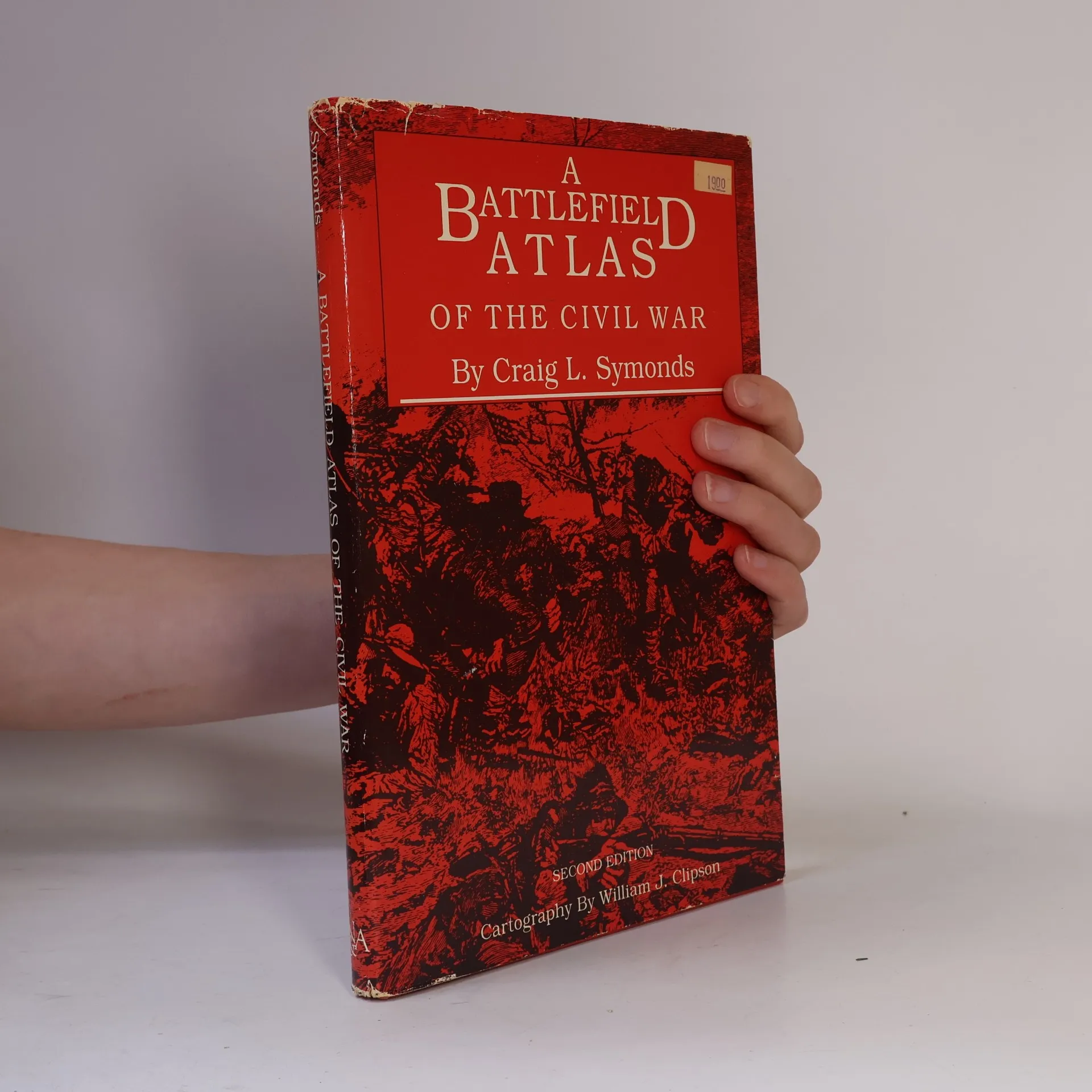
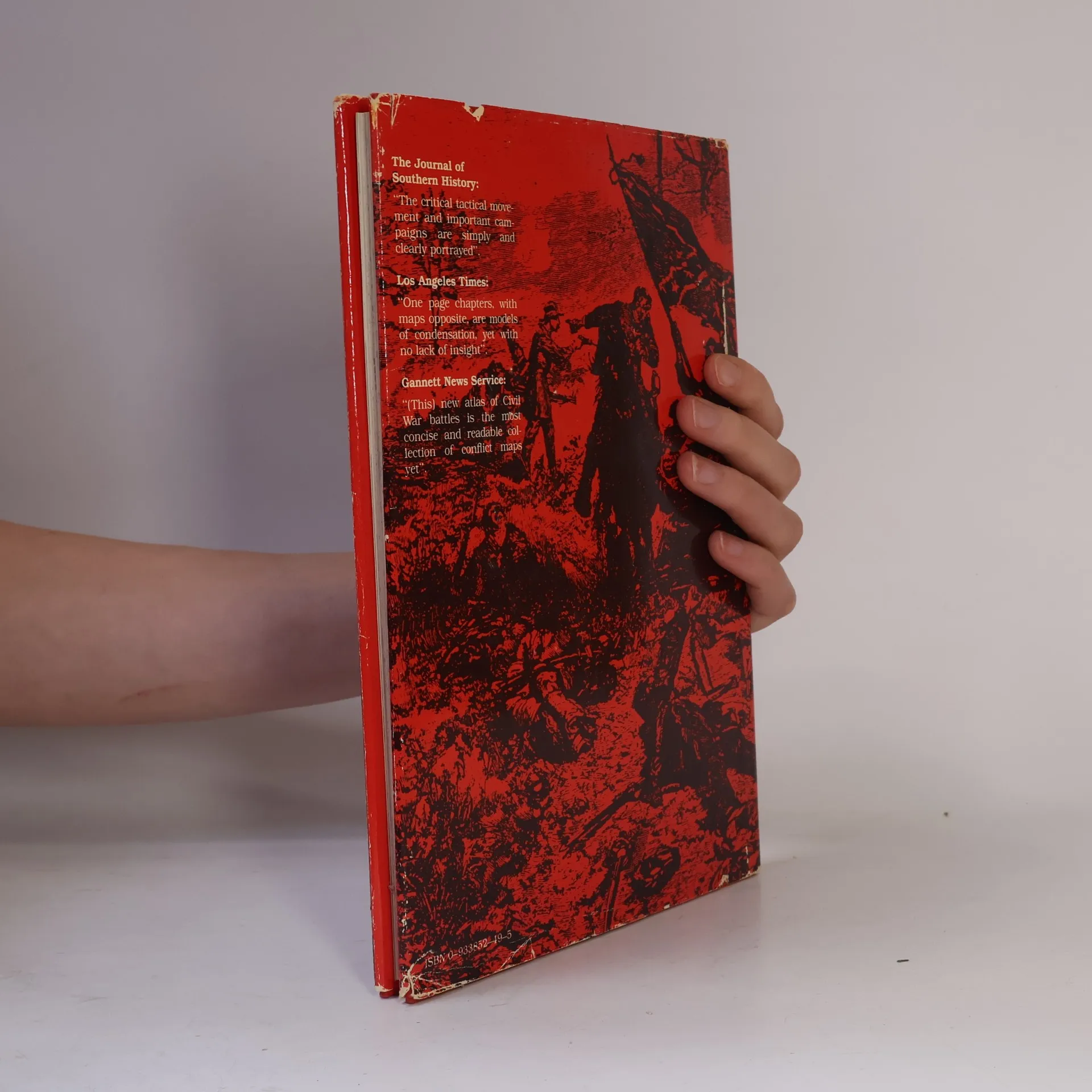
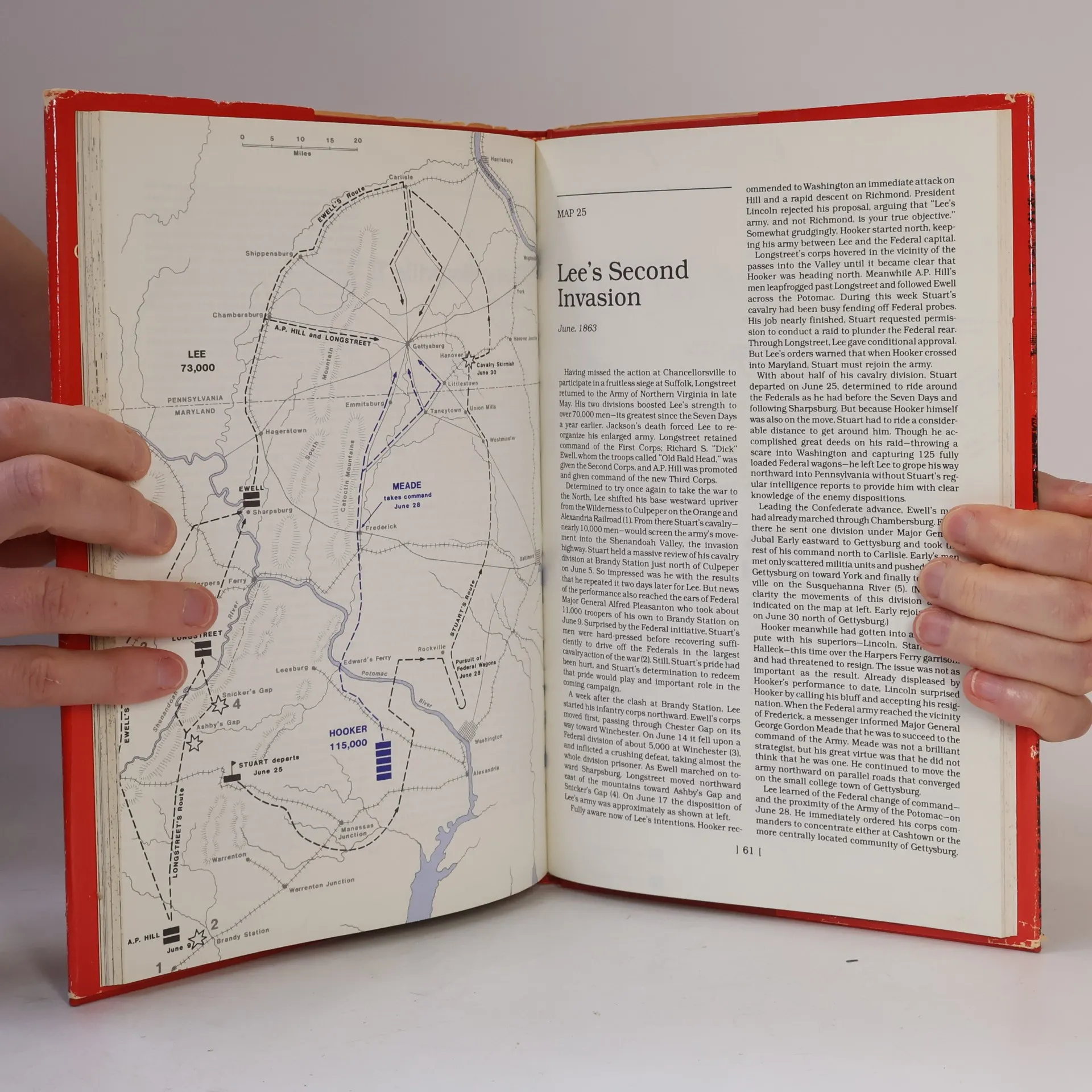
From Fort Sumter to Appomattox, this atlas provides a clear overview of the Civil War, featuring 43 two-color, full-page maps that highlight critical military positions and the war's evolving nature. Each map is accompanied by descriptions that allow readers to relive the battles and grasp the drama experienced by the troops in this total war. The author explores the personalities of the commanders on both sides and explains the reasoning behind their battlefield decisions. Each narrative outlines the strength of each side, the losses incurred, and the strategic consequences of the battles. The maps are organized into four chapters: the *Amateur War*, showcasing civilian volunteer armies at Bull Run and Shiloh; the *Organized War*, highlighting figures like George B. McClellan and Robert E. Lee; the *Confederate High Tide* of 1863, where Southern hopes peaked before collapsing after Gettysburg and Vicksburg; and the era of *Total War*, marking the transformation of the conflict under Grant and Sherman. Each section begins with a brief introductory essay and includes contemporary photographs and drawings, providing a vivid portrayal of America's greatest military conflict.
Buchkauf
A Battlefield Atlas of the Civil War - Second Edition, Craig Symonds, William J. Clipson
- Sprache

- Erscheinungsdatum
- 1988
- Einband
- (Hardcover)
Keiner hat bisher bewertet.
- Titel
- A Battlefield Atlas of the Civil War - Second Edition
- Sprache
- Englisch
- Autor*innen
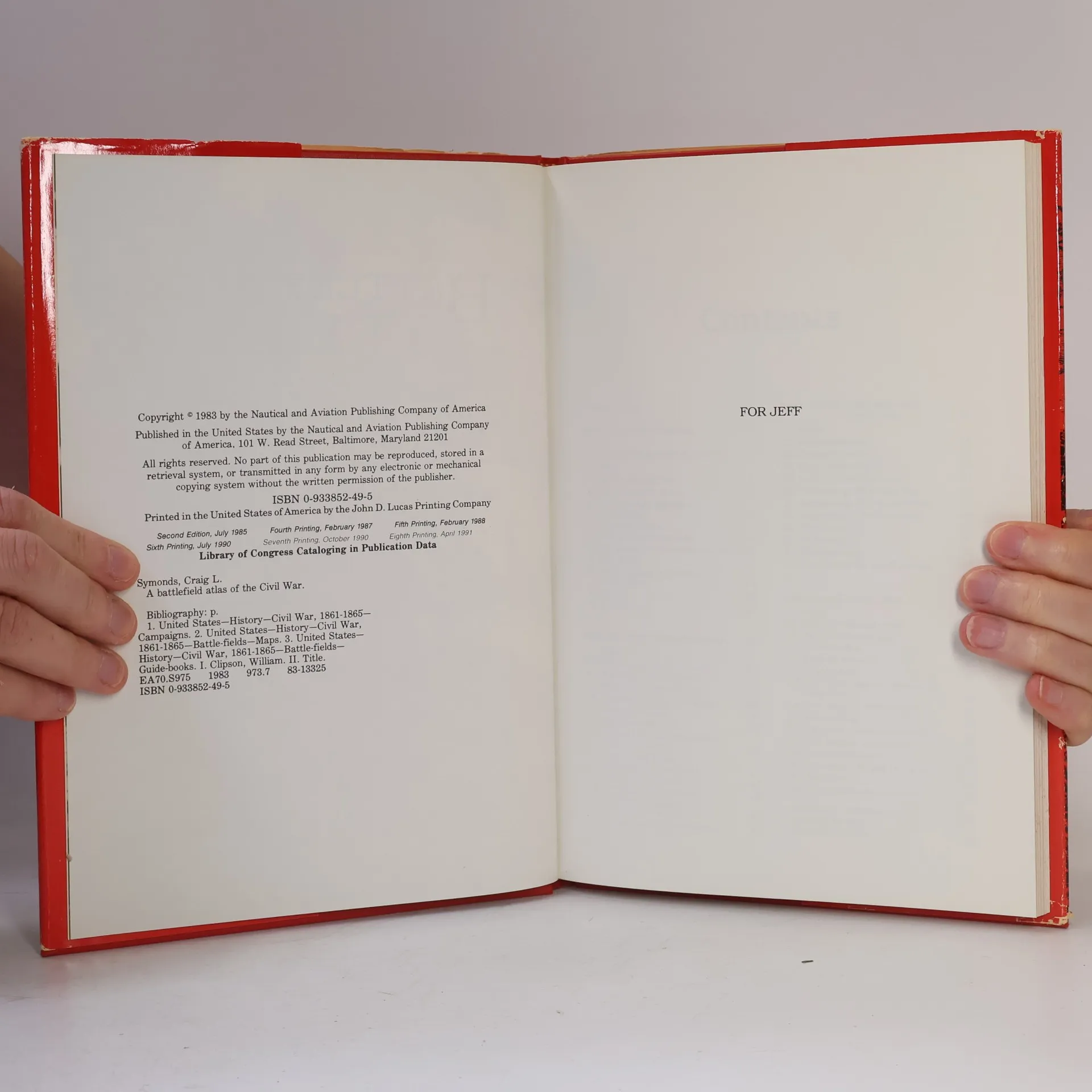
- Craig Symonds, William J. Clipson
- Erscheinungsdatum
- 1988
- Einband
- Hardcover
- Seitenzahl
- 110
- ISBN10
- 0933852495
- ISBN13
- 9780933852495
- Reihe
- Schlagwörter
- USA, Kriegsliteratur, Geschichte der USA, Bürgerkrieg, Bürgerkrieg (1861-1865)
- Beschreibung
- From Fort Sumter to Appomattox, this atlas provides a clear overview of the Civil War, featuring 43 two-color, full-page maps that highlight critical military positions and the war's evolving nature. Each map is accompanied by descriptions that allow readers to relive the battles and grasp the drama experienced by the troops in this total war. The author explores the personalities of the commanders on both sides and explains the reasoning behind their battlefield decisions. Each narrative outlines the strength of each side, the losses incurred, and the strategic consequences of the battles. The maps are organized into four chapters: the *Amateur War*, showcasing civilian volunteer armies at Bull Run and Shiloh; the *Organized War*, highlighting figures like George B. McClellan and Robert E. Lee; the *Confederate High Tide* of 1863, where Southern hopes peaked before collapsing after Gettysburg and Vicksburg; and the era of *Total War*, marking the transformation of the conflict under Grant and Sherman. Each section begins with a brief introductory essay and includes contemporary photographs and drawings, providing a vivid portrayal of America's greatest military conflict.