

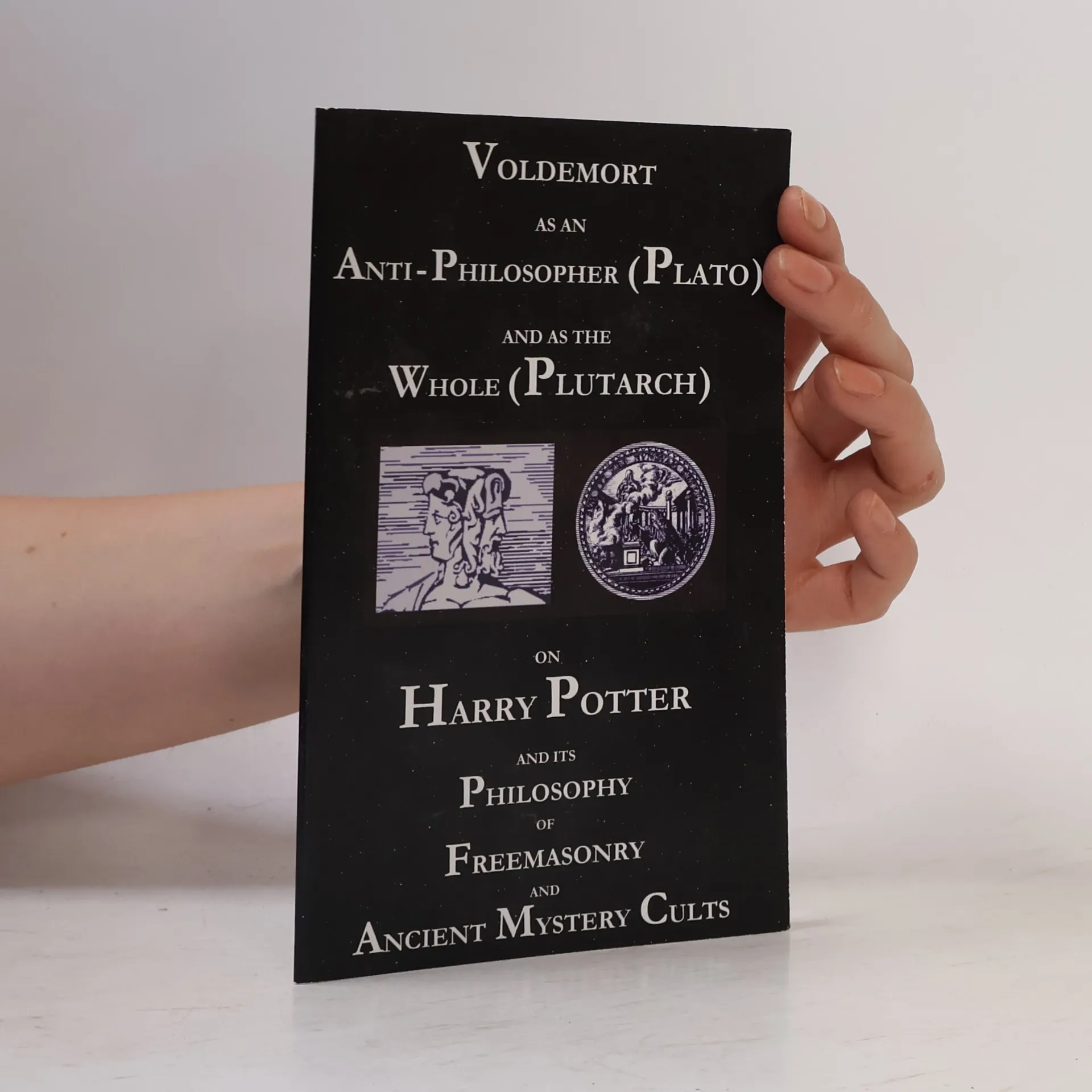
Voldemort as an Anti-Philosopher (Plato) and as the Whole (Plutarch)
On Harry Potter and Its Philosophy of Freemasonry and Ancient Mystery Cults
Autor*innen
Mehr zum Buch
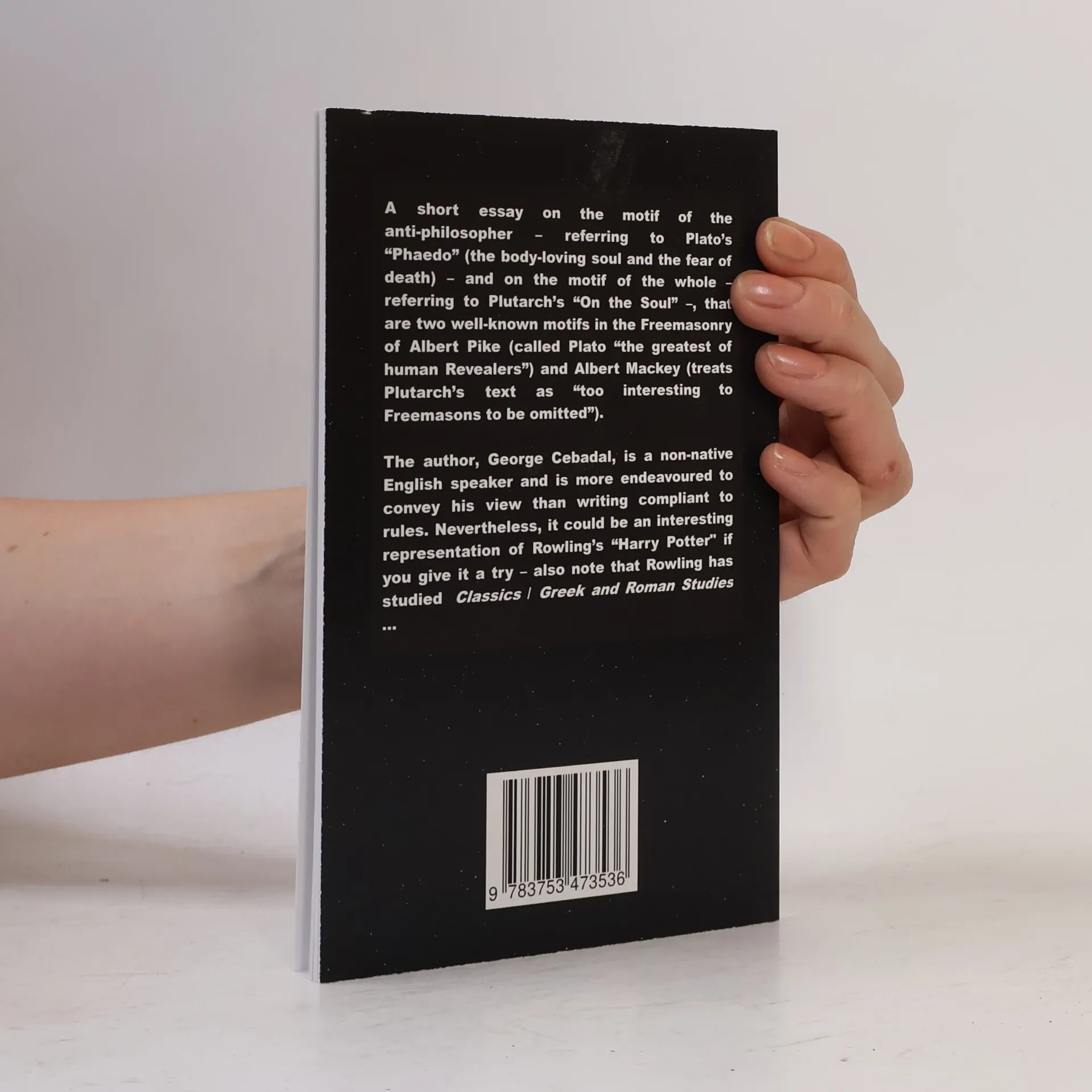
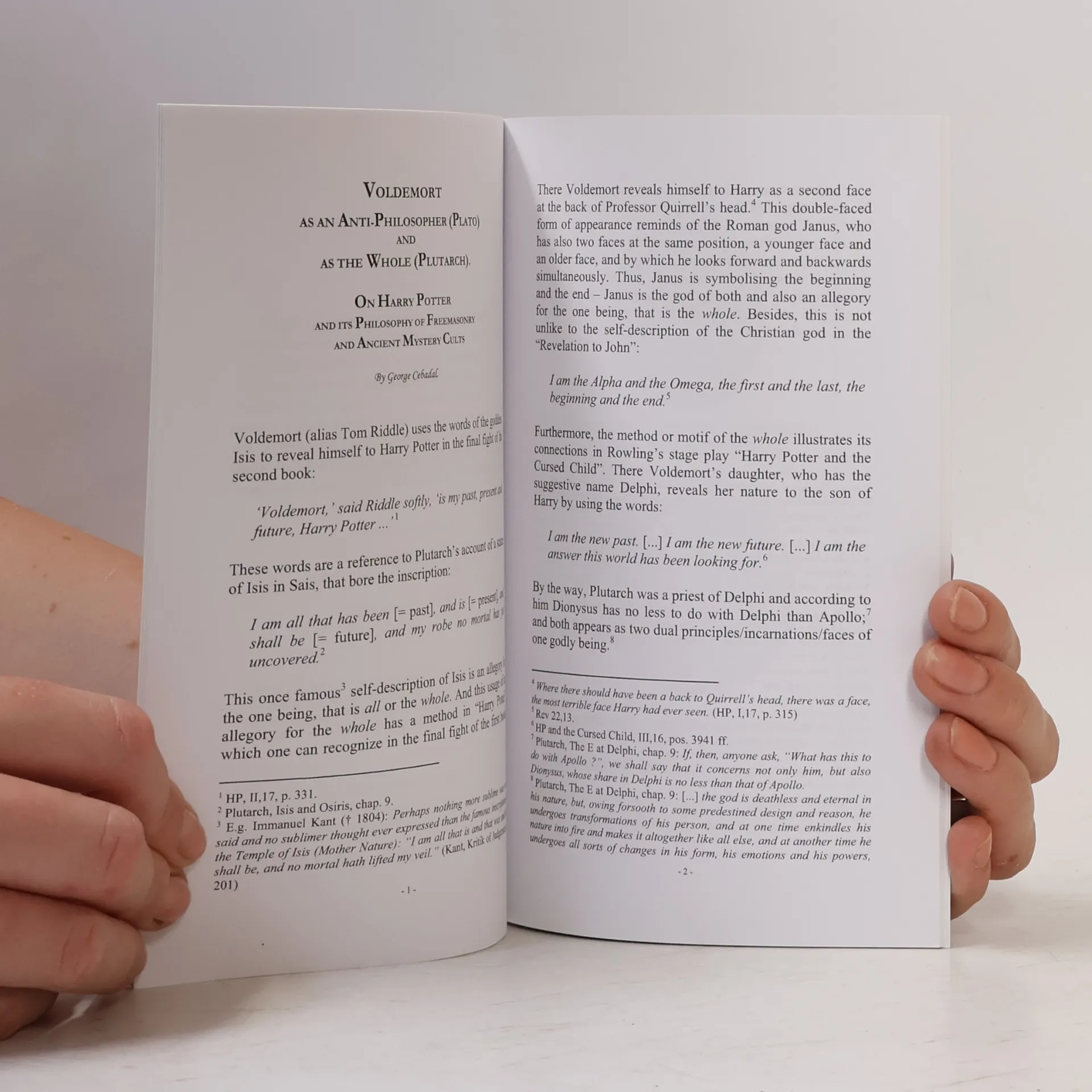
J. K. Rowling has studied Classics (/Greek and Roman Studies) and this is a short essay on two ancient motifs of "Harry Potter" The motif of the anti-philosopher - referring to Plato's "Phaedo" (the body-loving soul and the fear of death) - and the motif of the whole - referring to Plutarch's "On the Soul" -, that are also two well-known motifs in the Freemasonry of Albert Pike (called Plato "the greatest of human Revealers") and Albert Mackey (treats Plutarch's text as "too interesting to Freemasons to be omitted"). Note that the author is a non-native English speaker and the priority of the essay is the conveying of ideas - not proper English.
Buchkauf
Voldemort as an Anti-Philosopher (Plato) and as the Whole (Plutarch), George Cebadal
- Sprache

- Erscheinungsdatum
- 2021
- Einband
- (Paperback)
Keiner hat bisher bewertet.
- Titel
- Voldemort as an Anti-Philosopher (Plato) and as the Whole (Plutarch)
- Untertitel
- On Harry Potter and Its Philosophy of Freemasonry and Ancient Mystery Cults
- Sprache
- Englisch
- Autor*innen
- George Cebadal
- Verlag
- Books on Demand
- Erscheinungsdatum
- 2021
- Einband
- Paperback
- Seitenzahl
- 24
- ISBN10
- 3753473537
- ISBN13
- 9783753473536
- Reihe
- Schlagwörter
- Philosophisches Thema, Universitätslehrbücher, Magie, Literarische Kritik, Harry Potter
- Beschreibung
- J. K. Rowling has studied Classics (/Greek and Roman Studies) and this is a short essay on two ancient motifs of "Harry Potter" The motif of the anti-philosopher - referring to Plato's "Phaedo" (the body-loving soul and the fear of death) - and the motif of the whole - referring to Plutarch's "On the Soul" -, that are also two well-known motifs in the Freemasonry of Albert Pike (called Plato "the greatest of human Revealers") and Albert Mackey (treats Plutarch's text as "too interesting to Freemasons to be omitted"). Note that the author is a non-native English speaker and the priority of the essay is the conveying of ideas - not proper English.