


Parameter
- 344 Seiten
- 13 Lesestunden
Mehr zum Buch
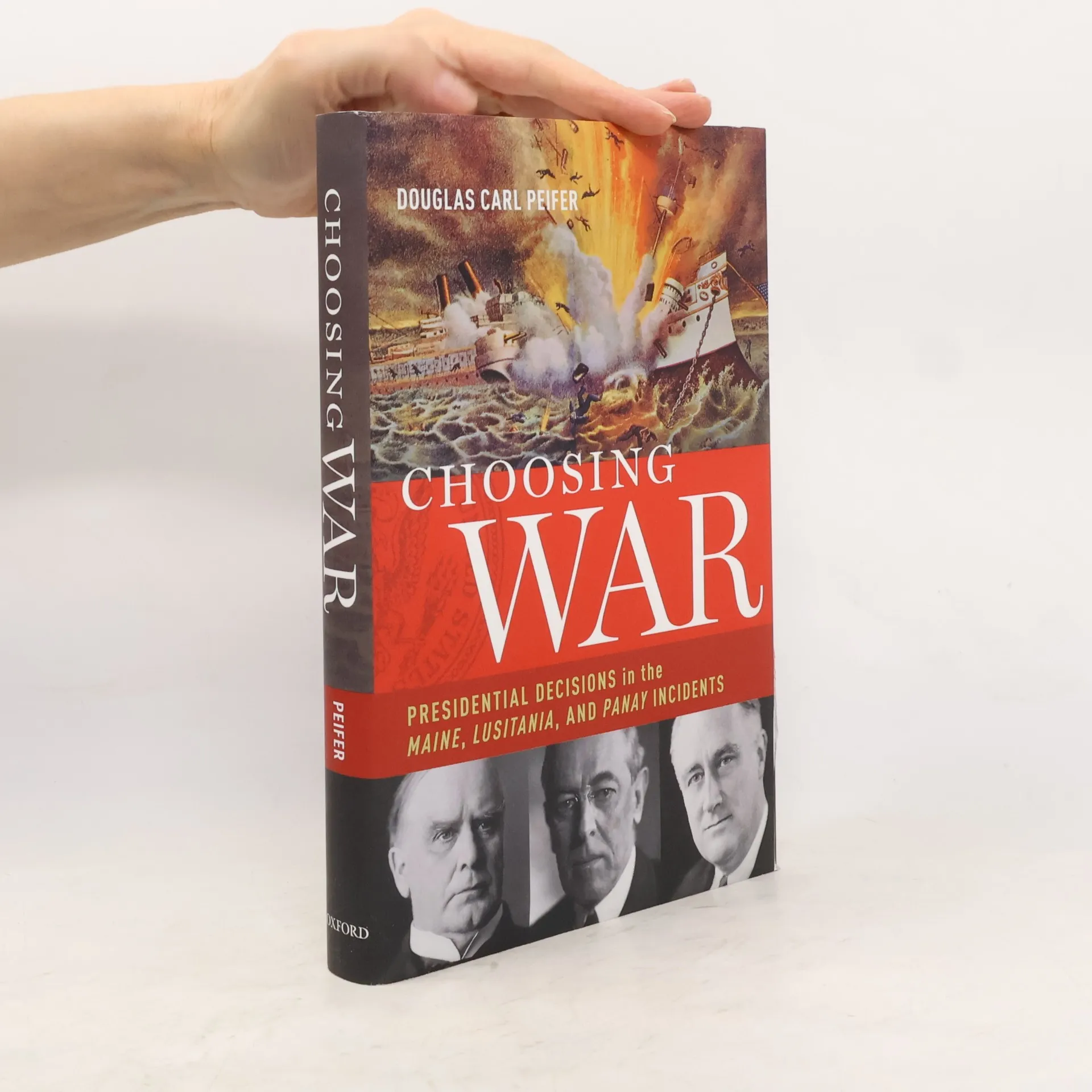
Throughout US history, presidential reactions to naval incidents have varied widely, with some resolved diplomatically and others escalating to war. Factors influencing these outcomes become crucial, especially amid rising tensions in East Asia, the Persian Gulf, and the Black and Baltic Seas, where long-range missile systems pose new challenges. This analysis compares the responses of different presidential administrations when American lives were lost at sea, focusing on three significant cases: the Maine incident (1898), which led to war; the Lusitania crisis (1915), which paved the way for intervention; and the Panay incident (1937), resolved through diplomacy. By examining the actions of Presidents McKinley, Wilson, and Roosevelt, the author reflects on the options and policies they chose. These case studies reveal how leadership, memory, and domestic policy influence presidential decisions, offering insights into the relationship between naval incidents and war. Rich in narrative and historical context, this work serves as a vital resource for understanding and addressing future naval crises.
Buchkauf
Choosing War, Douglas Carl Peifer
- Sprache

- Erscheinungsdatum
- 2016
- Einband
- (Hardcover)
Keiner hat bisher bewertet.
- Titel
- Choosing War
- Untertitel
- Presidential Decisions in the Maine, Lusitania, and Panay Incidents
- Sprache
- Englisch
- Autor*innen
- Douglas Carl Peifer
- Verlag
- Oxford University Press
- Erscheinungsdatum
- 2016
- Einband
- Hardcover
- Seitenzahl
- 344
- ISBN10
- 0190268689
- ISBN13
- 9780190268688
- Reihe
- Kategorien
- Schlagwörter
- Historisches Thema, USA, Politische Theorien, Präsidenten, Fallstudien, Entscheidungsfindung, Militärpolitik
- Beschreibung
- Throughout US history, presidential reactions to naval incidents have varied widely, with some resolved diplomatically and others escalating to war. Factors influencing these outcomes become crucial, especially amid rising tensions in East Asia, the Persian Gulf, and the Black and Baltic Seas, where long-range missile systems pose new challenges. This analysis compares the responses of different presidential administrations when American lives were lost at sea, focusing on three significant cases: the Maine incident (1898), which led to war; the Lusitania crisis (1915), which paved the way for intervention; and the Panay incident (1937), resolved through diplomacy. By examining the actions of Presidents McKinley, Wilson, and Roosevelt, the author reflects on the options and policies they chose. These case studies reveal how leadership, memory, and domestic policy influence presidential decisions, offering insights into the relationship between naval incidents and war. Rich in narrative and historical context, this work serves as a vital resource for understanding and addressing future naval crises.