



Parameter
- 248 Seiten
- 9 Lesestunden
Mehr zum Buch
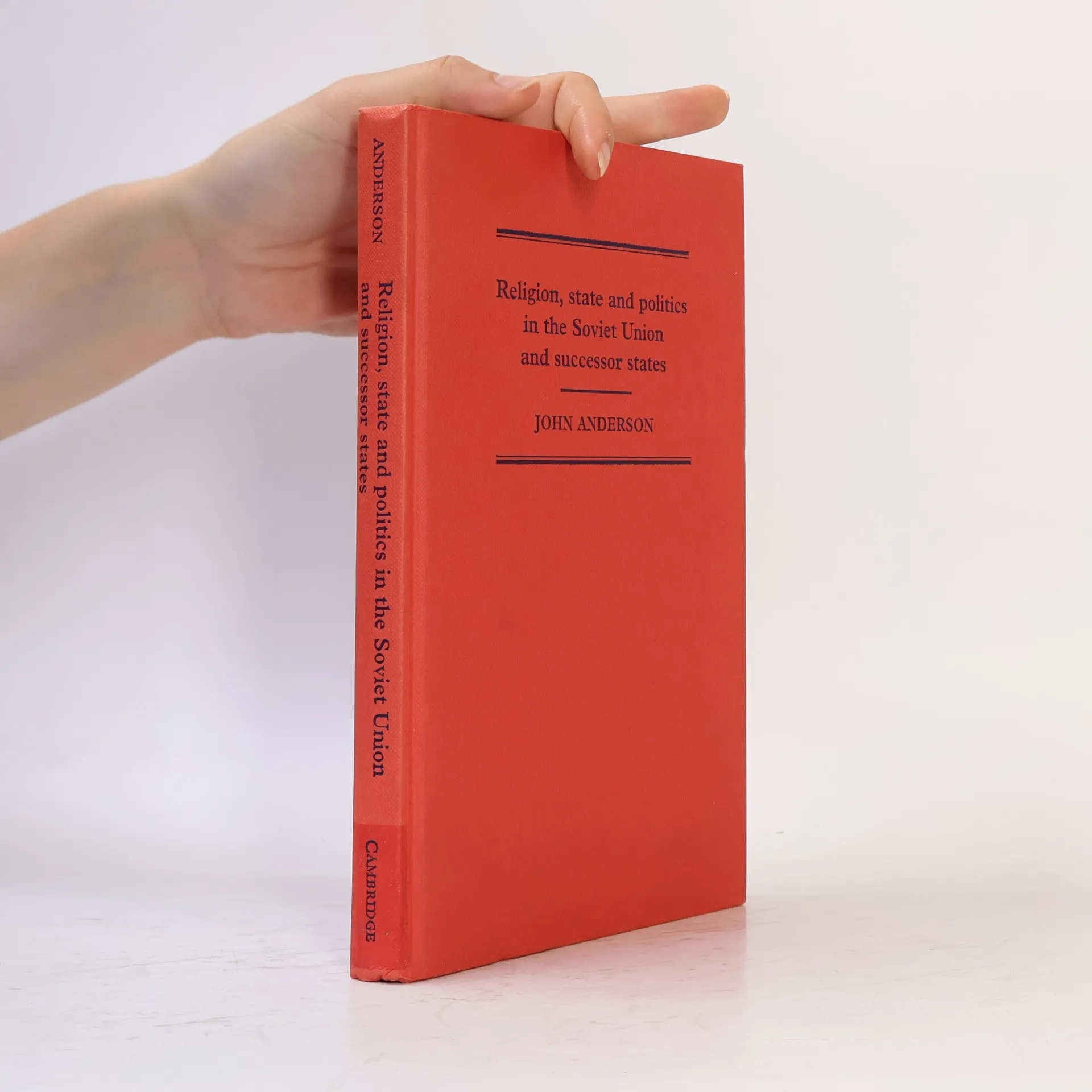
Making use of newly available archive material, this book provides the first systematic and accessible overview of church state relations in the Soviet Union. John Anderson explores the shaping of Soviet religious policy from the death of Stalin until the collapse of communism, and considers the place of religion in the post-Soviet future. The book discusses the motivations of Khrushchev's renewed assault on religion, the Brezhnev leadership's response to the election of a Polish Pope and the perceived revitalisation of Islam, the factors underlying Gorbachev's liberalisation of religious policy, and the problems in this area facing the newly independent states of the former Soviet Union. This study will be of interest to students and scholars of Soviet and post-Soviet studies, religious history, and the politics of church state relations.
Buchkauf
Religion, State and Politics in the Soviet Union and Successor States, 1953–1993, John Anderson
- Sprache

- Erscheinungsdatum
- 1994
- Einband
- (Hardcover),
- Buchzustand
- Gebraucht - Gut
- Preis
- € 7,69
Keiner hat bisher bewertet.
- Titel
- Religion, State and Politics in the Soviet Union and Successor States, 1953–1993
- Sprache
- Englisch
- Autor*innen
- John Anderson
- Erscheinungsdatum
- 1994
- Einband
- Hardcover
- Seitenzahl
- 248
- ISBN10
- 0521462312
- ISBN13
- 9780521462310
- Reihe
- Schlagwörter
- Beschreibung
- Making use of newly available archive material, this book provides the first systematic and accessible overview of church state relations in the Soviet Union. John Anderson explores the shaping of Soviet religious policy from the death of Stalin until the collapse of communism, and considers the place of religion in the post-Soviet future. The book discusses the motivations of Khrushchev's renewed assault on religion, the Brezhnev leadership's response to the election of a Polish Pope and the perceived revitalisation of Islam, the factors underlying Gorbachev's liberalisation of religious policy, and the problems in this area facing the newly independent states of the former Soviet Union. This study will be of interest to students and scholars of Soviet and post-Soviet studies, religious history, and the politics of church state relations.