

Parameter
- 328 Seiten
- 12 Lesestunden
Mehr zum Buch
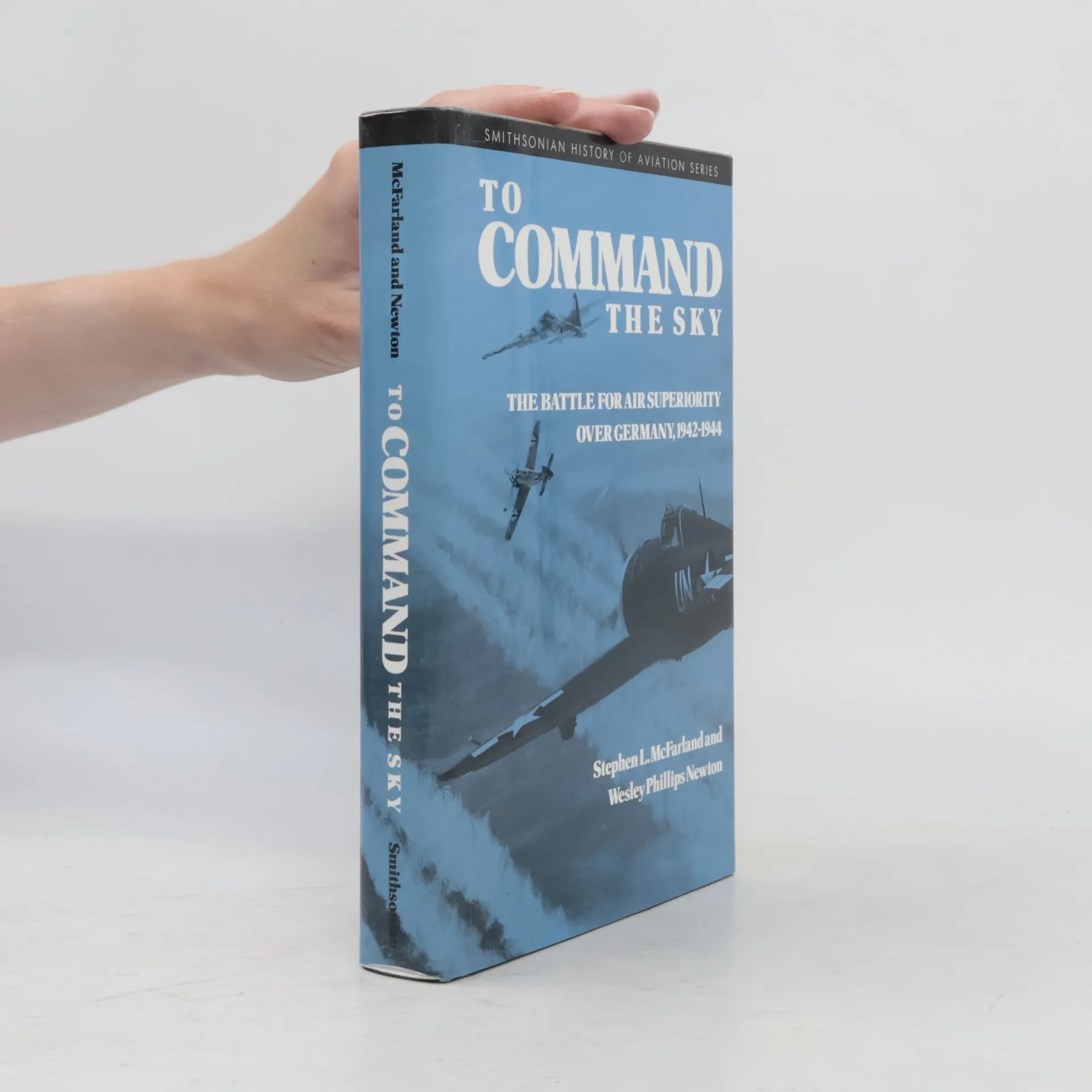
Until 1944, the United States Army Air Forces relied on intensive strategic bombing to defeat Germany, but this approach failed to halt German war production or resolve the conflict. In 1944, American leadership shifted focus, combining long-range fighter technology with new tactics to establish air superiority as a primary goal. This book is the first to specifically analyze the doctrine of air superiority and its critical role in World War II, demonstrating that achieving air superiority, rather than successful strategic bombing, was essential for the Allied victory in Europe. The authors argue that without air superiority, the Allied invasion of France would not have succeeded. Utilizing both American and German sources, the narrative delves into controversies surrounding the air superiority campaign, including General Ira Eaker's transfer and Jimmy Doolittle's decisions regarding fighter pilot engagements. Additionally, it explores Hermann Göring’s interference in German strategy and the effects of attrition warfare on Allied aircrew morale. Tracing the evolution of air superiority from early air combat to the battles over Normandy, the authors detail the key figures, technologies, command decisions, and events that shaped the struggle for control of the skies.
Buchkauf
Smithsonian History of Aviation and Spaceflight Series: To Command the Sky, Stephen Lee McFarland, Wesley Phillips Newton
- Sprache

- Erscheinungsdatum
- 1991
- Einband
- (Hardcover)
Keiner hat bisher bewertet.
- Titel
- Smithsonian History of Aviation and Spaceflight Series: To Command the Sky
- Sprache
- Englisch
- Autor*innen
- Stephen Lee McFarland, Wesley Phillips Newton
- Erscheinungsdatum
- 1991
- Einband
- Hardcover
- Seitenzahl
- 328
- ISBN10
- 1560980699
- ISBN13
- 9781560980698
- Reihe
- Kategorien
- Schlagwörter
- Historisches Thema, USA, Kriegsliteratur, Zweiter Weltkrieg, Technologie, Europa, Geschichte Europas, Luftfahrt, Westeuropa, Waffen, Luftoperationen
- Beschreibung
- Until 1944, the United States Army Air Forces relied on intensive strategic bombing to defeat Germany, but this approach failed to halt German war production or resolve the conflict. In 1944, American leadership shifted focus, combining long-range fighter technology with new tactics to establish air superiority as a primary goal. This book is the first to specifically analyze the doctrine of air superiority and its critical role in World War II, demonstrating that achieving air superiority, rather than successful strategic bombing, was essential for the Allied victory in Europe. The authors argue that without air superiority, the Allied invasion of France would not have succeeded. Utilizing both American and German sources, the narrative delves into controversies surrounding the air superiority campaign, including General Ira Eaker's transfer and Jimmy Doolittle's decisions regarding fighter pilot engagements. Additionally, it explores Hermann Göring’s interference in German strategy and the effects of attrition warfare on Allied aircrew morale. Tracing the evolution of air superiority from early air combat to the battles over Normandy, the authors detail the key figures, technologies, command decisions, and events that shaped the struggle for control of the skies.