




Mehr zum Buch
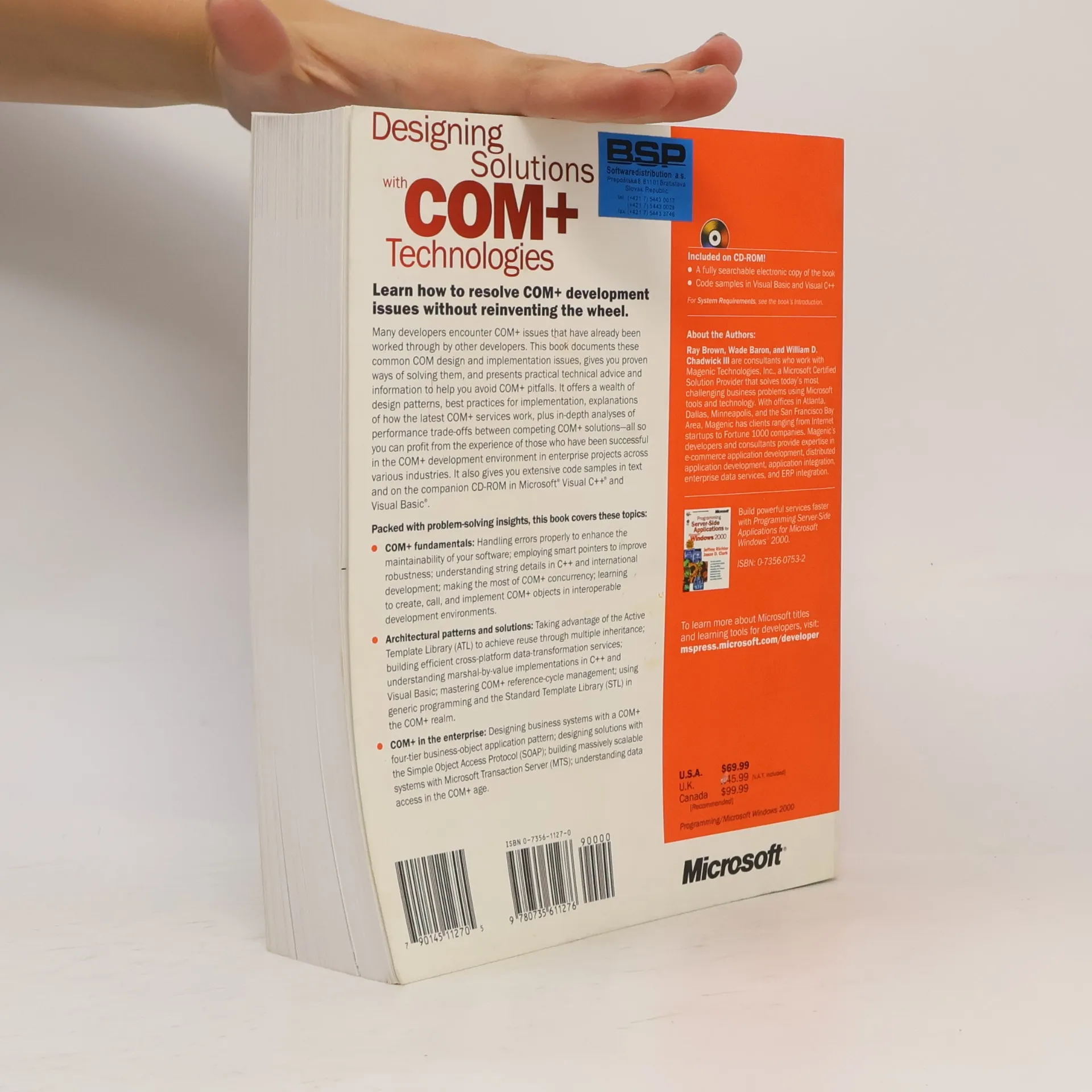
A thorough working knowledge of the Microsoft "RM" Component Object Model (COM) and COM+ technologies is a prerequisite for effective design and implementation in today's networked Microsoft Windows "RM" operating environment. But many development teams, during the design and implementation phases of their projects, encounter generic COM+ issues that have already been worked through by other developers. COM+ Software Architecture documents these issues and presents ways of solving them that have proven successful in past projects. This book provides practical solutions to practical problems on more than one level. Some chapters qualify as design pattern catalogues, others offer implementation best practices, and others analyze performance trade-offs between competing solutions. All offer the kind of focused COM+ technical advice and information that can help developers avoid design and implementation pitfalls by learning from those who have already been successful in the COM+ deve
Buchkauf
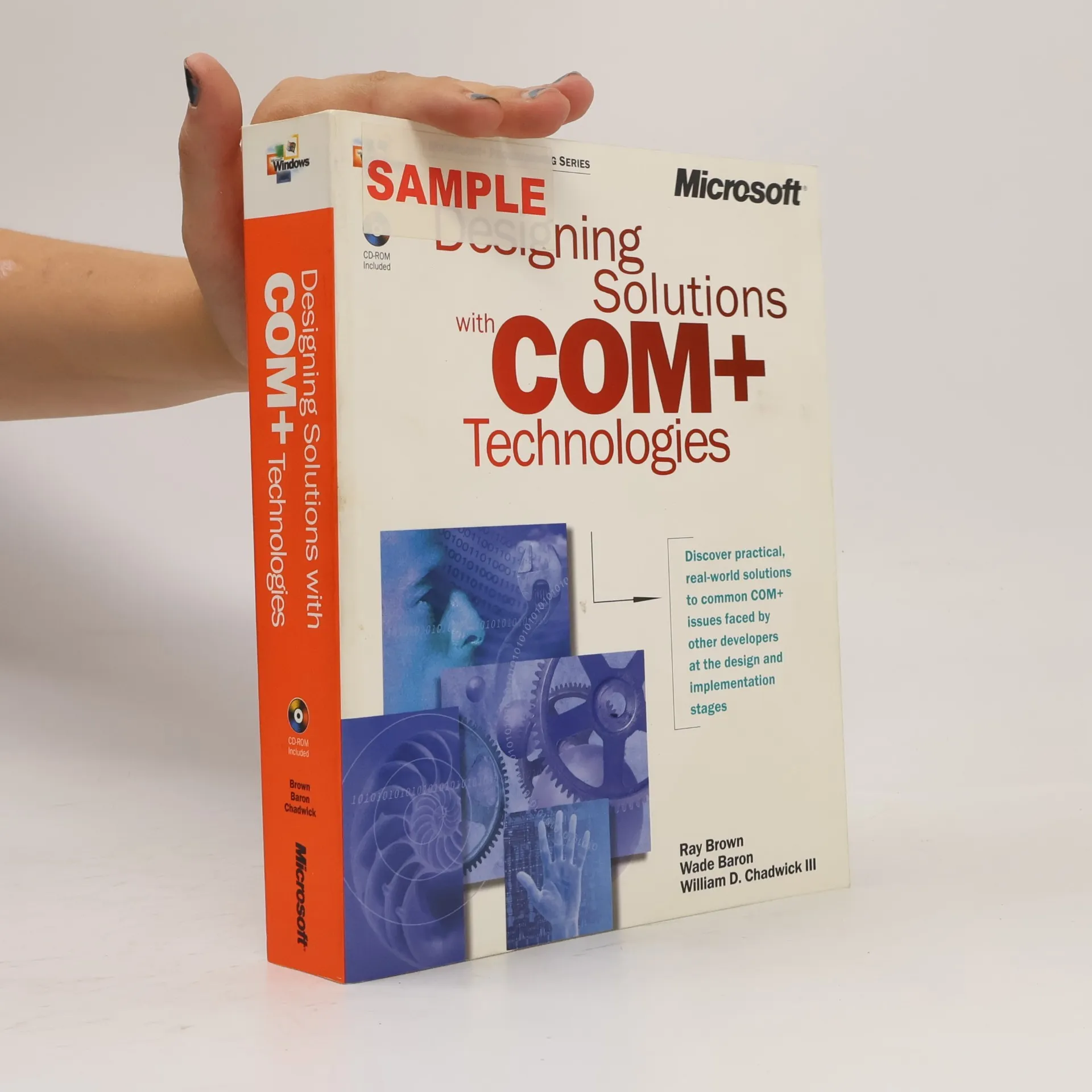
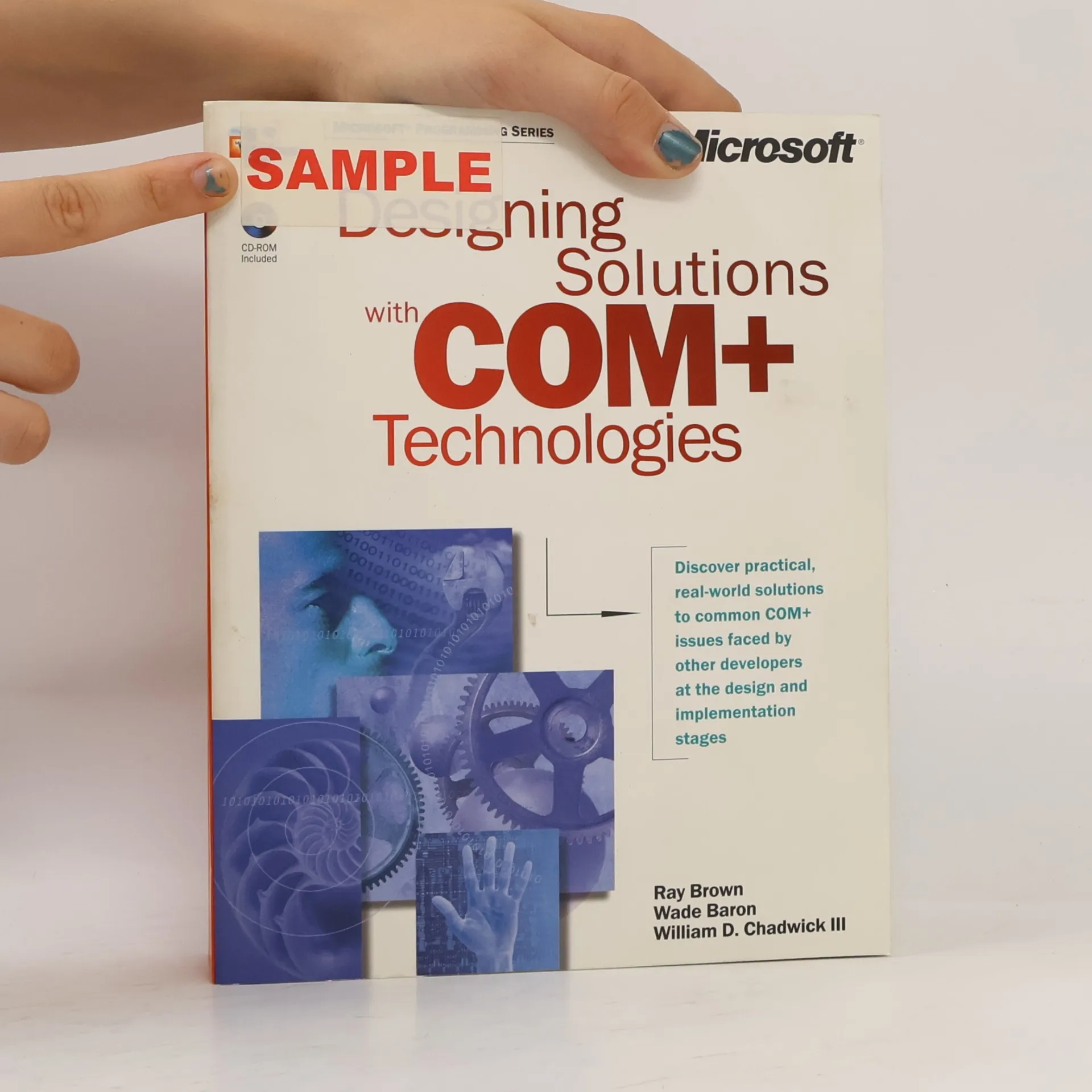
Designing Solutions with COM+ Technologies w. CD-ROM, Ray Brown, Wade Baron, William D. Chadwick III
- Sprache

- Erscheinungsdatum
- 2001
- Einband
- (Paperback),
- Buchzustand
- Beschädigt
- Preis
- € 5,91
Keiner hat bisher bewertet.
- Titel
- Designing Solutions with COM+ Technologies w. CD-ROM
- Sprache
- Englisch
- Autor*innen
- Ray Brown, Wade Baron, William D. Chadwick III
- Verlag
- Microsoft Press
- Erscheinungsdatum
- 2001
- Einband
- Paperback
- Seitenzahl
- 891
- ISBN10
- 0735611270
- ISBN13
- 9780735611276
- Reihe
- Schlagwörter
- Internet
- Beschreibung
- A thorough working knowledge of the Microsoft "RM" Component Object Model (COM) and COM+ technologies is a prerequisite for effective design and implementation in today's networked Microsoft Windows "RM" operating environment. But many development teams, during the design and implementation phases of their projects, encounter generic COM+ issues that have already been worked through by other developers. COM+ Software Architecture documents these issues and presents ways of solving them that have proven successful in past projects. This book provides practical solutions to practical problems on more than one level. Some chapters qualify as design pattern catalogues, others offer implementation best practices, and others analyze performance trade-offs between competing solutions. All offer the kind of focused COM+ technical advice and information that can help developers avoid design and implementation pitfalls by learning from those who have already been successful in the COM+ deve