

Mehr zum Buch
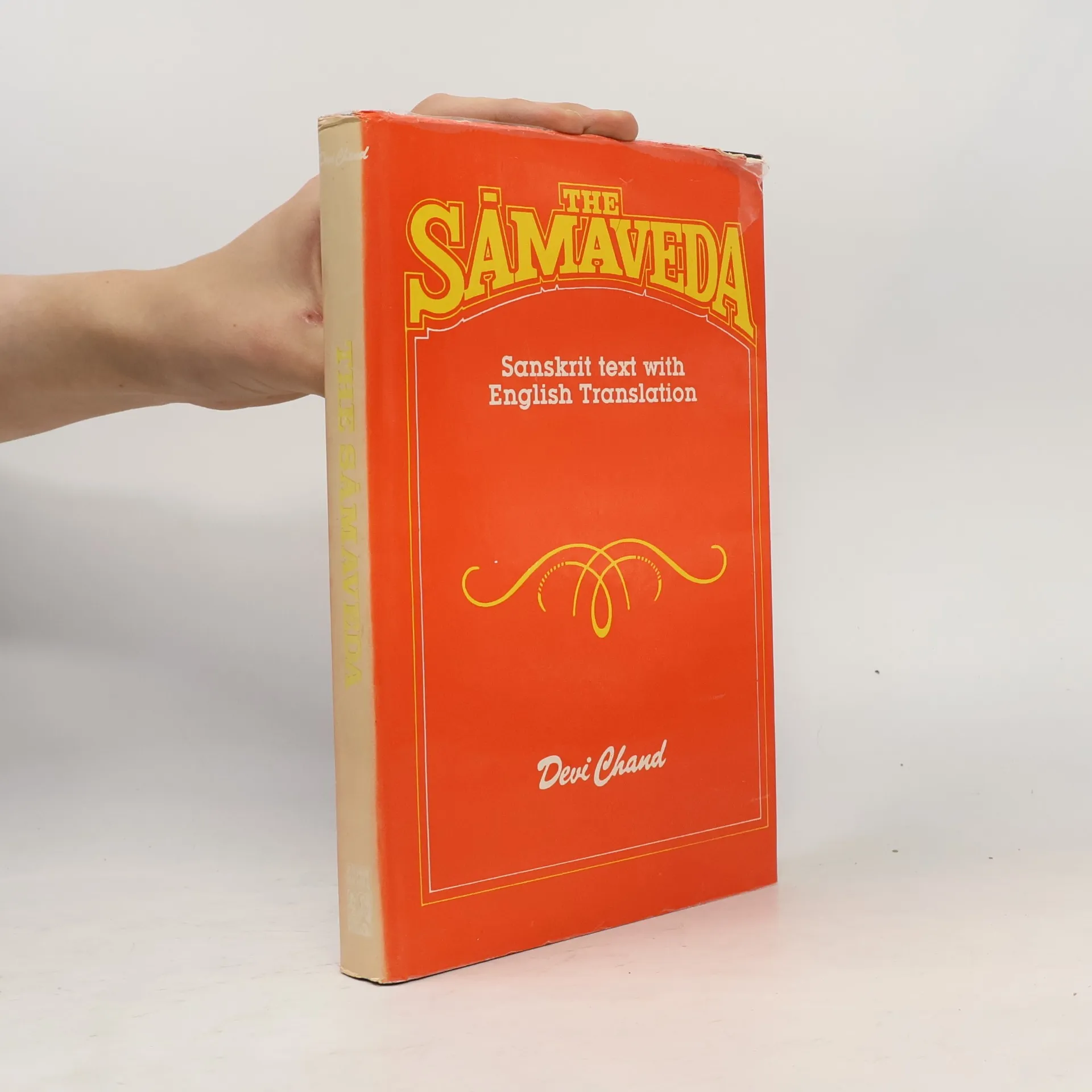
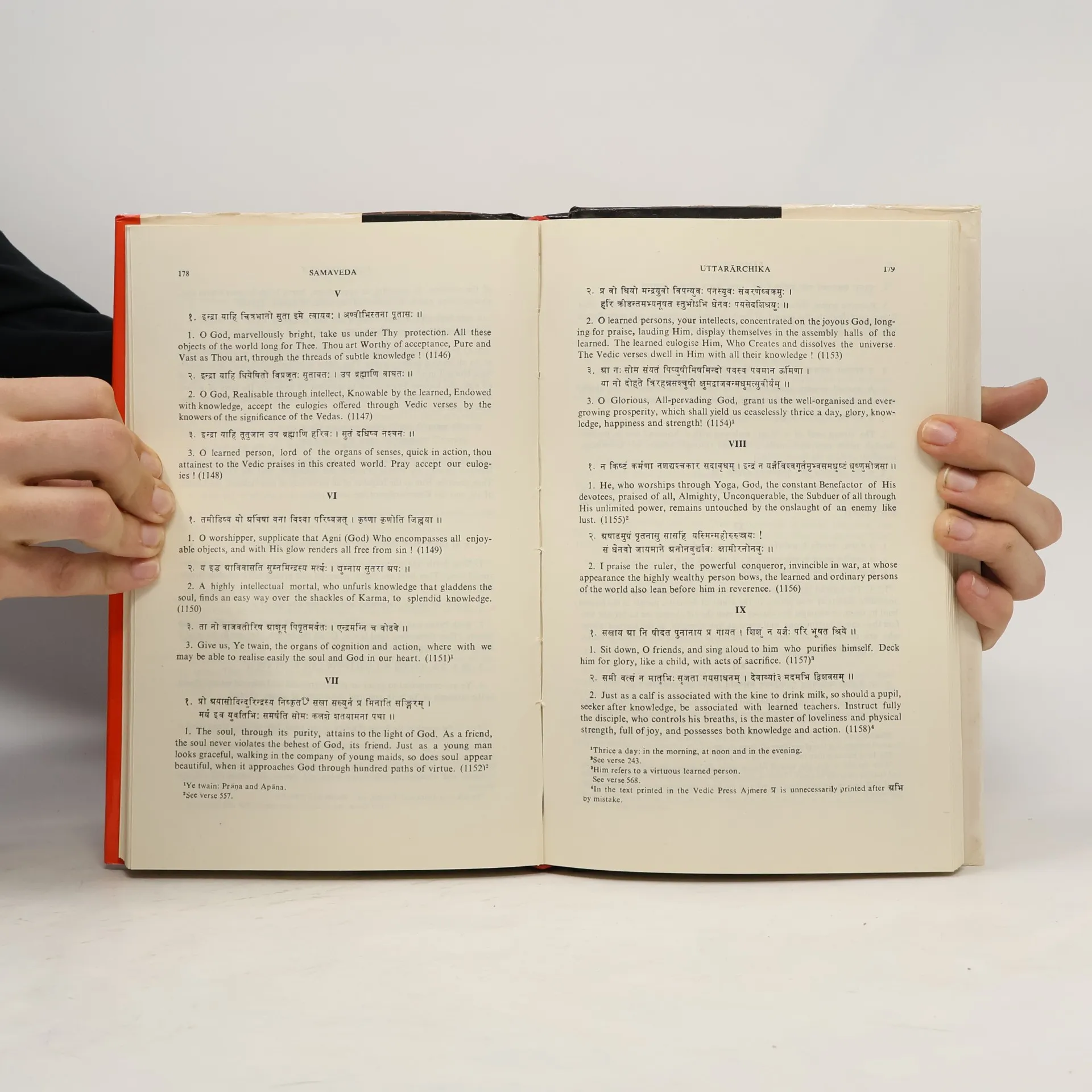
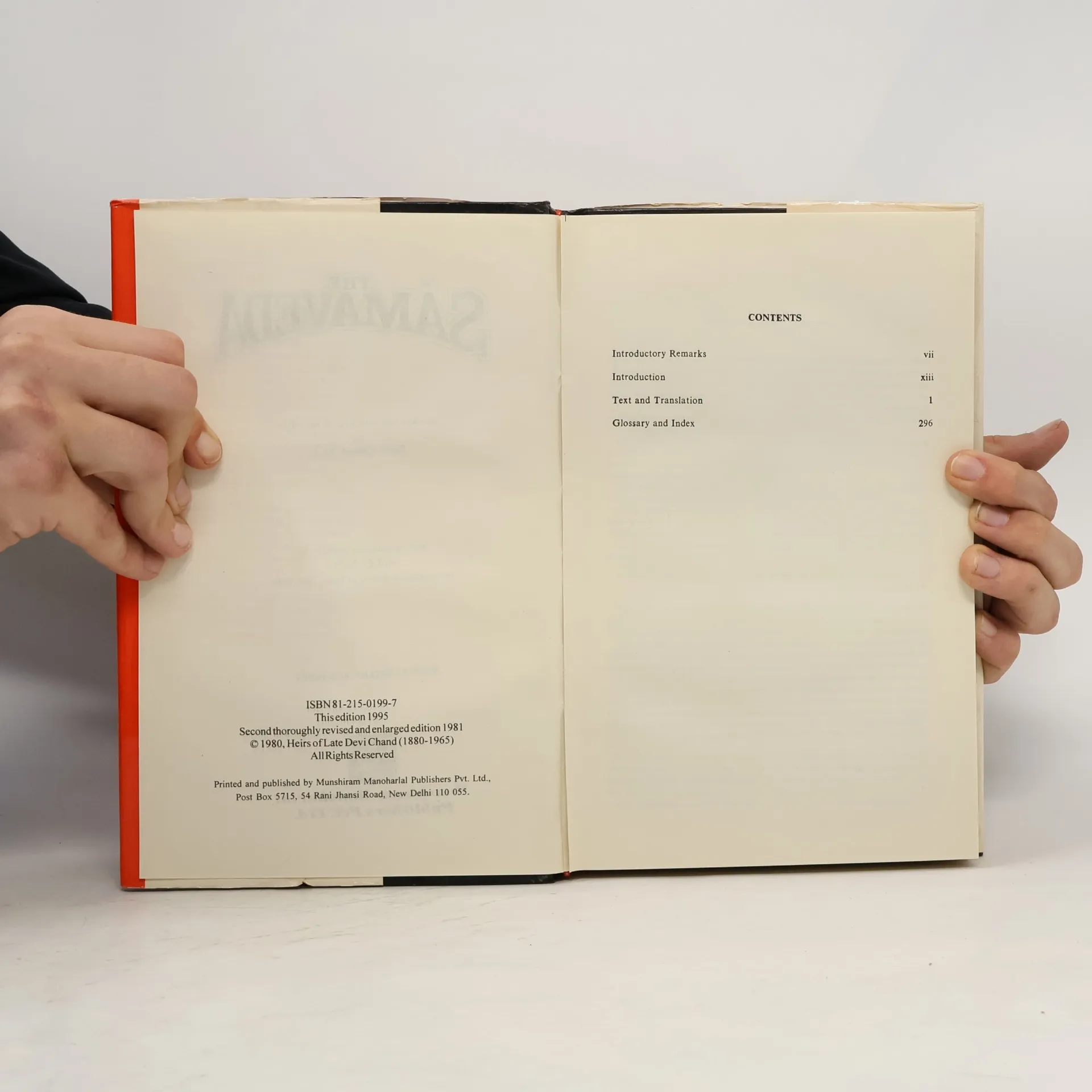
Description: The verses of Samaveda, all except 78, are taken from the Rgueda. They are arranged in a sequence different from that of the Rgveda and divided into two parts. The first part, called Purvaracika has 589 verses; the second, called Uttararacika, has 1225 stanzas. The hymns are invocation addressed to Soma, Agni, and Indra meant for chanting by Udgatr priests at Soma sacrifices and not devoted chiefly to the worship of Indra who is a blustering braggadocio god and who has to befuddle himself with Soma in order to slay demons as a reputed scholar put it. Due to its special reference to Pitrs or deceased forefathers, the sound of the Samans are considered by some as impure. This edition of Samaveda, a translation by Devi Chand, is based on the exposition of Swami Dayanand. The translator has furnished references in the footnotes to different interpretations of Indian and foreign scholars. An introduction and glossary-cum-index are added for the benefit of those not acquainted with Samaveda. Everyone shall find this an excellent book for a thorough understanding of the Samaveda.
Buchkauf
The Samaveda, Devi Chand
- Sprache

- Erscheinungsdatum
- 1995
- Einband
- (Hardcover),
- Buchzustand
- Gebraucht - Gut
- Preis
- € 9,99
Keiner hat bisher bewertet.
- Titel
- The Samaveda
- Untertitel
- Sanskrit Text With English Translation
- Sprache
- Englisch
- Autor*innen
- Devi Chand
- Erscheinungsdatum
- 1995
- Einband
- Hardcover
- Seitenzahl
- 304
- ISBN10
- 8121501997
- ISBN13
- 9788121501996
- Reihe
- Kategorien
- Schlagwörter
- Beschreibung
- Description: The verses of Samaveda, all except 78, are taken from the Rgueda. They are arranged in a sequence different from that of the Rgveda and divided into two parts. The first part, called Purvaracika has 589 verses; the second, called Uttararacika, has 1225 stanzas. The hymns are invocation addressed to Soma, Agni, and Indra meant for chanting by Udgatr priests at Soma sacrifices and not devoted chiefly to the worship of Indra who is a blustering braggadocio god and who has to befuddle himself with Soma in order to slay demons as a reputed scholar put it. Due to its special reference to Pitrs or deceased forefathers, the sound of the Samans are considered by some as impure. This edition of Samaveda, a translation by Devi Chand, is based on the exposition of Swami Dayanand. The translator has furnished references in the footnotes to different interpretations of Indian and foreign scholars. An introduction and glossary-cum-index are added for the benefit of those not acquainted with Samaveda. Everyone shall find this an excellent book for a thorough understanding of the Samaveda.