



Mehr zum Buch
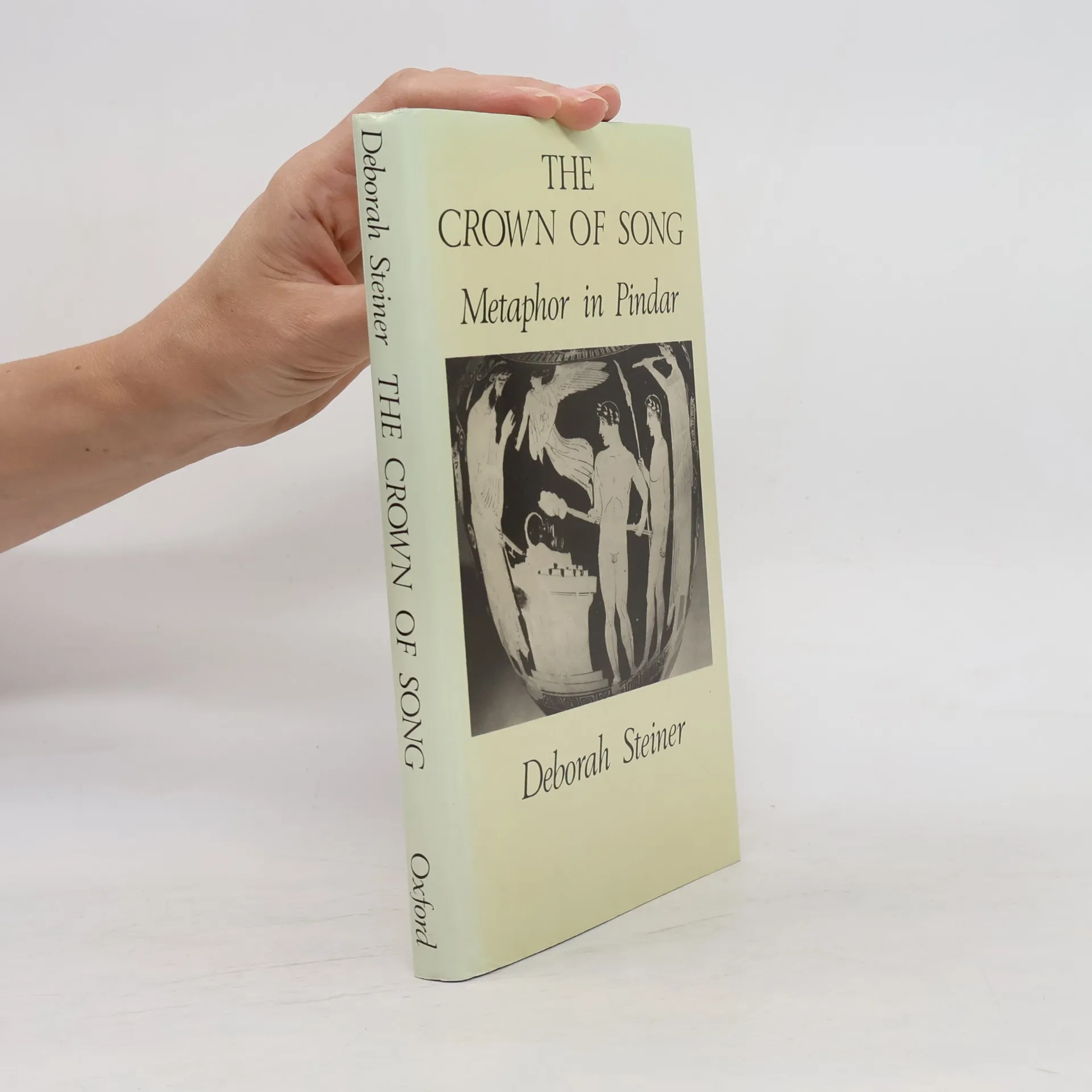
Pindar (c. 518-438 B.C.), one of ancient Greece's most famous lyric poets, is perhaps best known for his victory (epinicean) odes, written to honor the winners at various sets of games, such as the Olympiad. In Crown of Song , Deborah Steiner's study of these odes, she writes "If Pindar isremote from us in genre, his style strikes the reader as vivid and immediate. And in my reading of the epinicean odes, it is the poet's use of metaphor that accounts for the dynamic quality of his verse." Steiner begins her analysis by exploring both ancient and modern theories of metaphor, andthen turns to specific imagery employed by the poet--plant life, athletics, minerals and numerous others--as a way of understanding how these metaphoric complexes function in the poet's praise of the victor, his assertion of his own place as perpetuator of the victor's immortal fame, and in hisvision of human achievement and glory in the context of mortal life and immortal gods. Written in a lively, readable style, Crown of Song opens up the sometimes difficult verse of this celebrated ancient poet to modern readers.
Buchkauf
Crown of Song, Deborah Steiner
- Sprache

- Erscheinungsdatum
- 1986
- Einband
- (Hardcover)
Keiner hat bisher bewertet.
- Titel
- Crown of Song
- Untertitel
- Metaphor in Pindar
- Sprache
- Englisch
- Autor*innen
- Deborah Steiner
- Verlag
- Oxford University Press
- Erscheinungsdatum
- 1986
- Einband
- Hardcover
- Seitenzahl
- 180
- ISBN10
- 0195041283
- ISBN13
- 9780195041286
- Reihe
- Schlagwörter
- Philosophisches Thema, Altertum, Literarische Kritik
- Beschreibung
- Pindar (c. 518-438 B.C.), one of ancient Greece's most famous lyric poets, is perhaps best known for his victory (epinicean) odes, written to honor the winners at various sets of games, such as the Olympiad. In Crown of Song , Deborah Steiner's study of these odes, she writes "If Pindar isremote from us in genre, his style strikes the reader as vivid and immediate. And in my reading of the epinicean odes, it is the poet's use of metaphor that accounts for the dynamic quality of his verse." Steiner begins her analysis by exploring both ancient and modern theories of metaphor, andthen turns to specific imagery employed by the poet--plant life, athletics, minerals and numerous others--as a way of understanding how these metaphoric complexes function in the poet's praise of the victor, his assertion of his own place as perpetuator of the victor's immortal fame, and in hisvision of human achievement and glory in the context of mortal life and immortal gods. Written in a lively, readable style, Crown of Song opens up the sometimes difficult verse of this celebrated ancient poet to modern readers.