

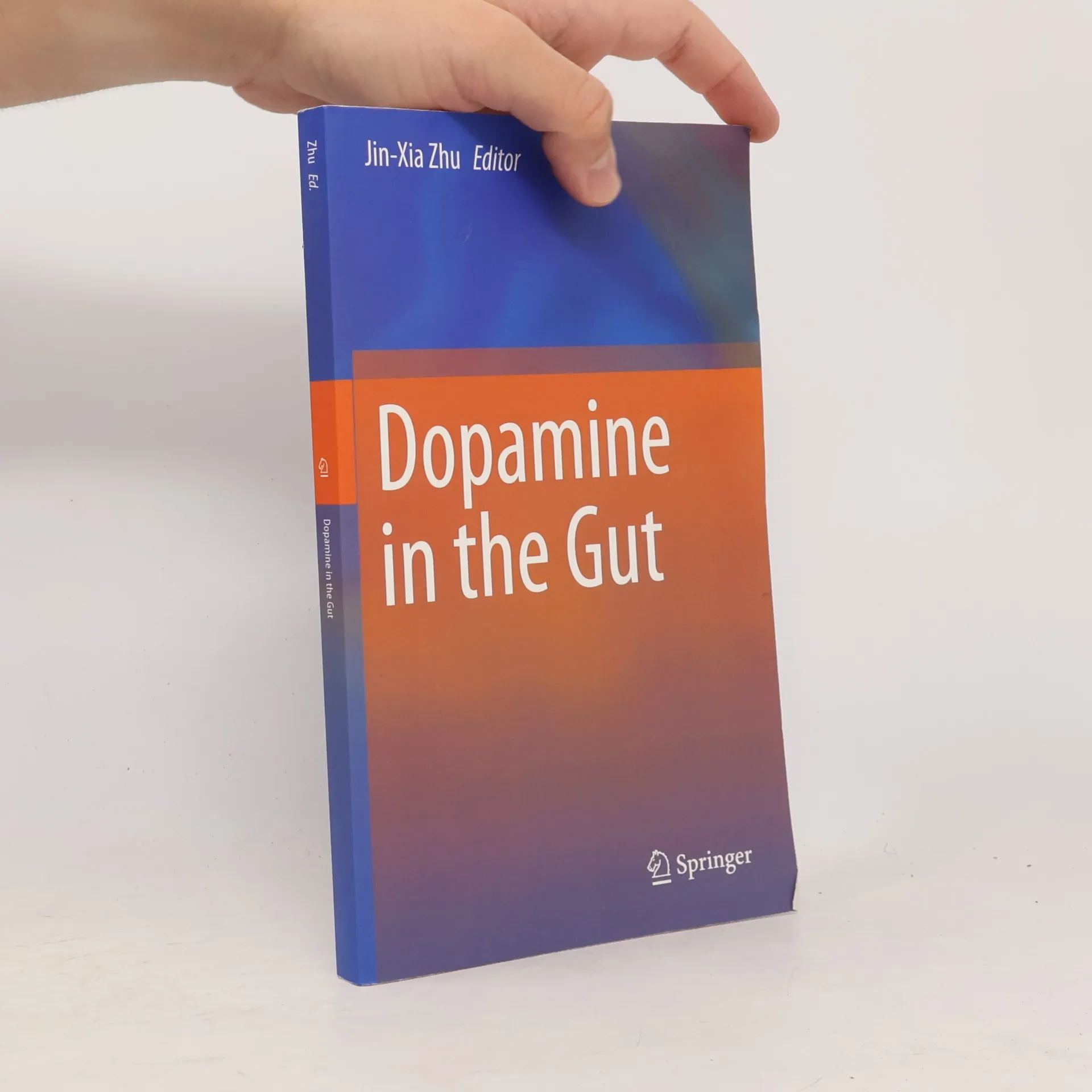


Dopamine in the Gut
Autor*innen
Mehr zum Buch
Dopamine is widely present in the central and peripheral nervous systems, as well as in non-nervous systems. Parkinson's disease is well recognized as a dopaminergic neurodegenerative disorder, and affected patients often show early signs of gastrointestinal disorders at initial stages of the disease. Apart from the changes that occur in emotion, movement behaviors, learning and memory, metabolism etc., dopamine has also been demonstrated to play very crucial roles in the functional regulation of peripheral organs such as the heart, blood vessels, kidneys, and gut. Most recently, dopamine function in the gut has received enormous attention. Not only does dopamine regulate gut motility, ion transport, and mucosal barrier, but it is becoming more pertinent that more than 60% of dopamine in the body stems from the gut, which has not yet been properly addressed and substantially explored. Therefore, this book will discuss the brain-gut axis by providing novel and significant insight into the essence of gut-derived dopamine in mammals. It aims to inspire further research on dopaminergic regulation of gut function and disease genesis.
Buchkauf
Dopamine in the Gut, Jin-Xia Zhu
- Sprache

- Erscheinungsdatum
- 2022
- Einband
- (Paperback),
- Buchzustand
- Gebraucht - Gut
- Preis
- € 34,49
Keiner hat bisher bewertet.
- Titel
- Dopamine in the Gut
- Sprache
- Englisch
- Autor*innen
- Jin-Xia Zhu
- Erscheinungsdatum
- 2022
- Einband
- Paperback
- Seitenzahl
- 237
- ISBN10
- 9813365889
- ISBN13
- 9789813365889
- Reihe
- Schlagwörter
- Naturwissenschaften
- Beschreibung
- Dopamine is widely present in the central and peripheral nervous systems, as well as in non-nervous systems. Parkinson's disease is well recognized as a dopaminergic neurodegenerative disorder, and affected patients often show early signs of gastrointestinal disorders at initial stages of the disease. Apart from the changes that occur in emotion, movement behaviors, learning and memory, metabolism etc., dopamine has also been demonstrated to play very crucial roles in the functional regulation of peripheral organs such as the heart, blood vessels, kidneys, and gut. Most recently, dopamine function in the gut has received enormous attention. Not only does dopamine regulate gut motility, ion transport, and mucosal barrier, but it is becoming more pertinent that more than 60% of dopamine in the body stems from the gut, which has not yet been properly addressed and substantially explored. Therefore, this book will discuss the brain-gut axis by providing novel and significant insight into the essence of gut-derived dopamine in mammals. It aims to inspire further research on dopaminergic regulation of gut function and disease genesis.