

Parameter
- 441 Seiten
- 16 Lesestunden
Mehr zum Buch
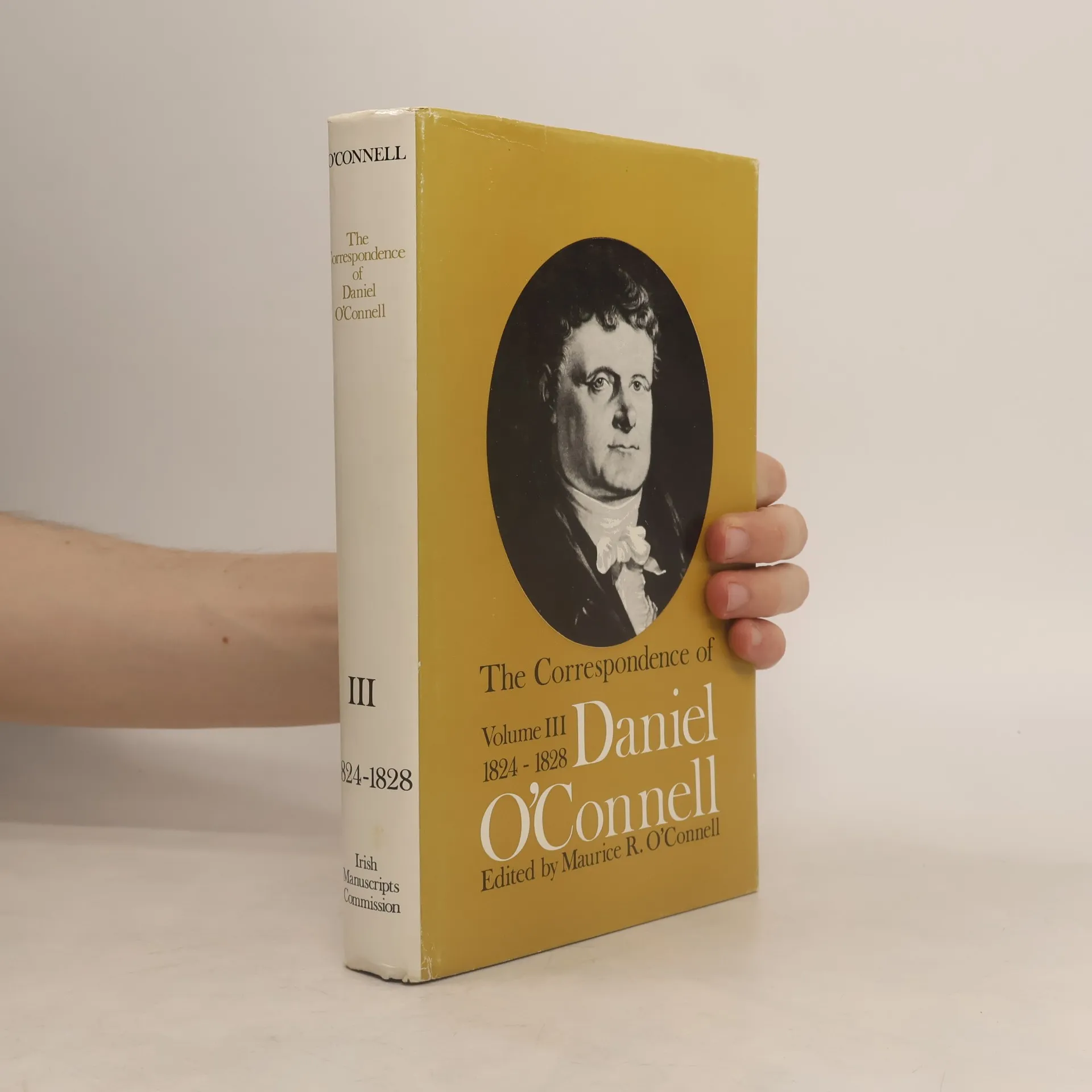
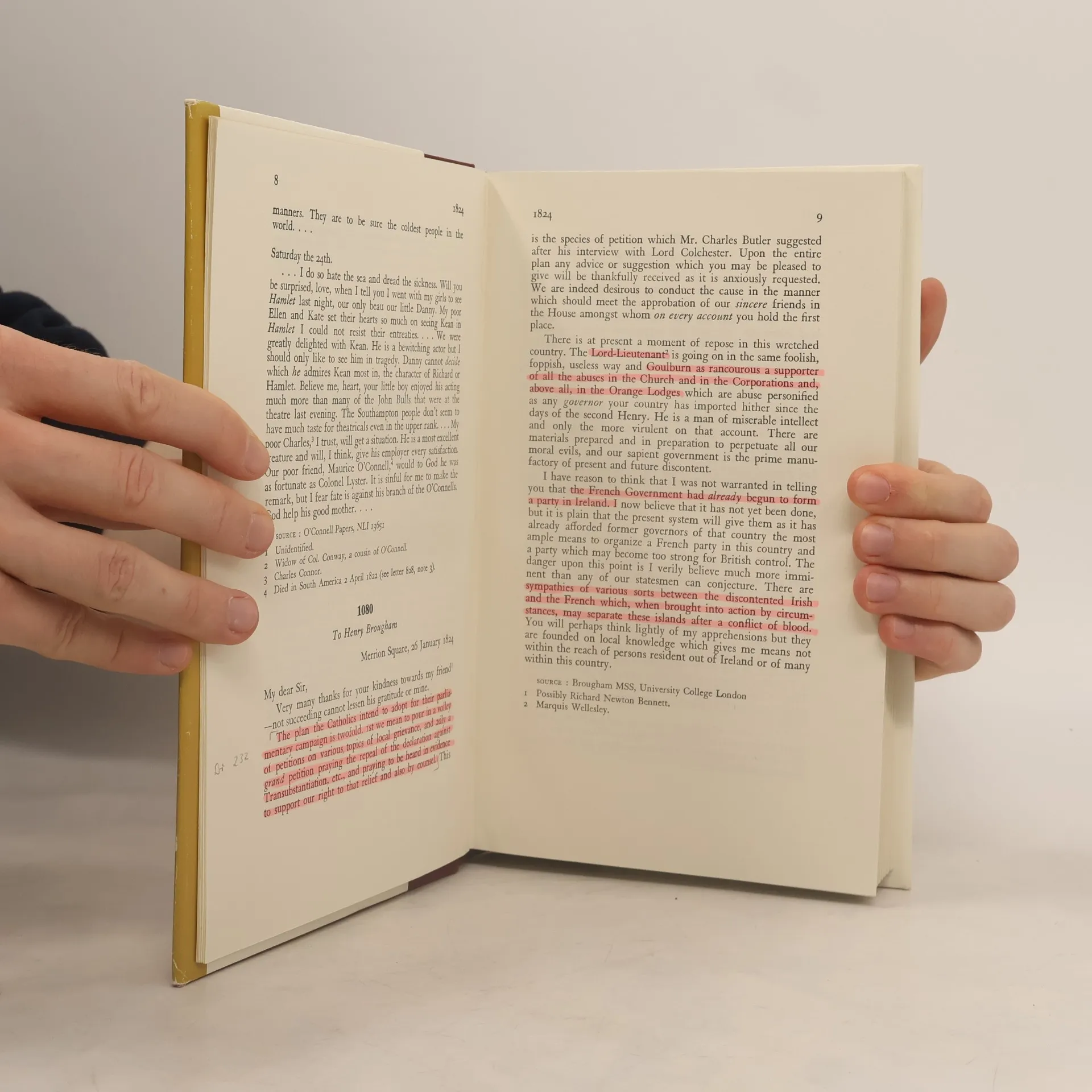
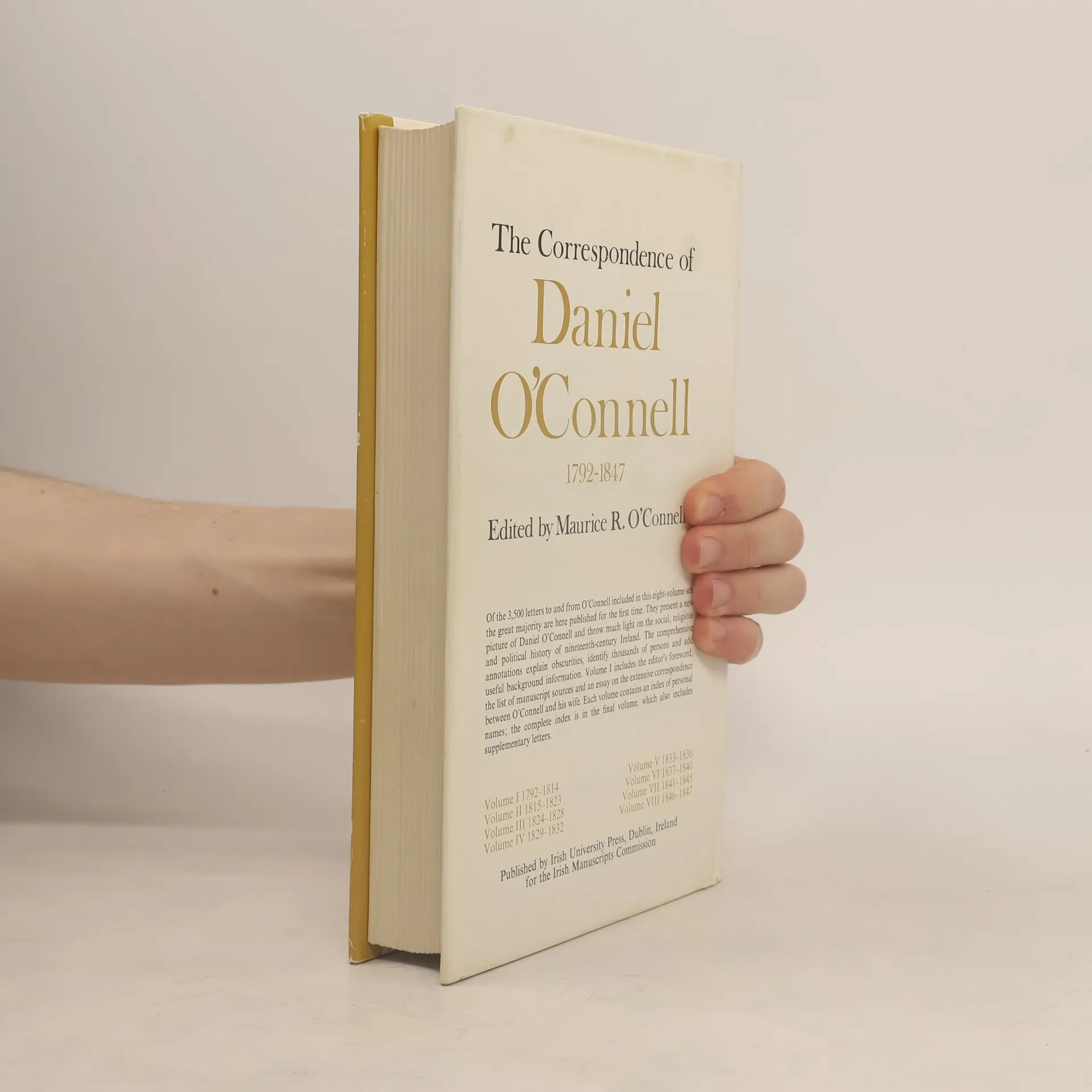
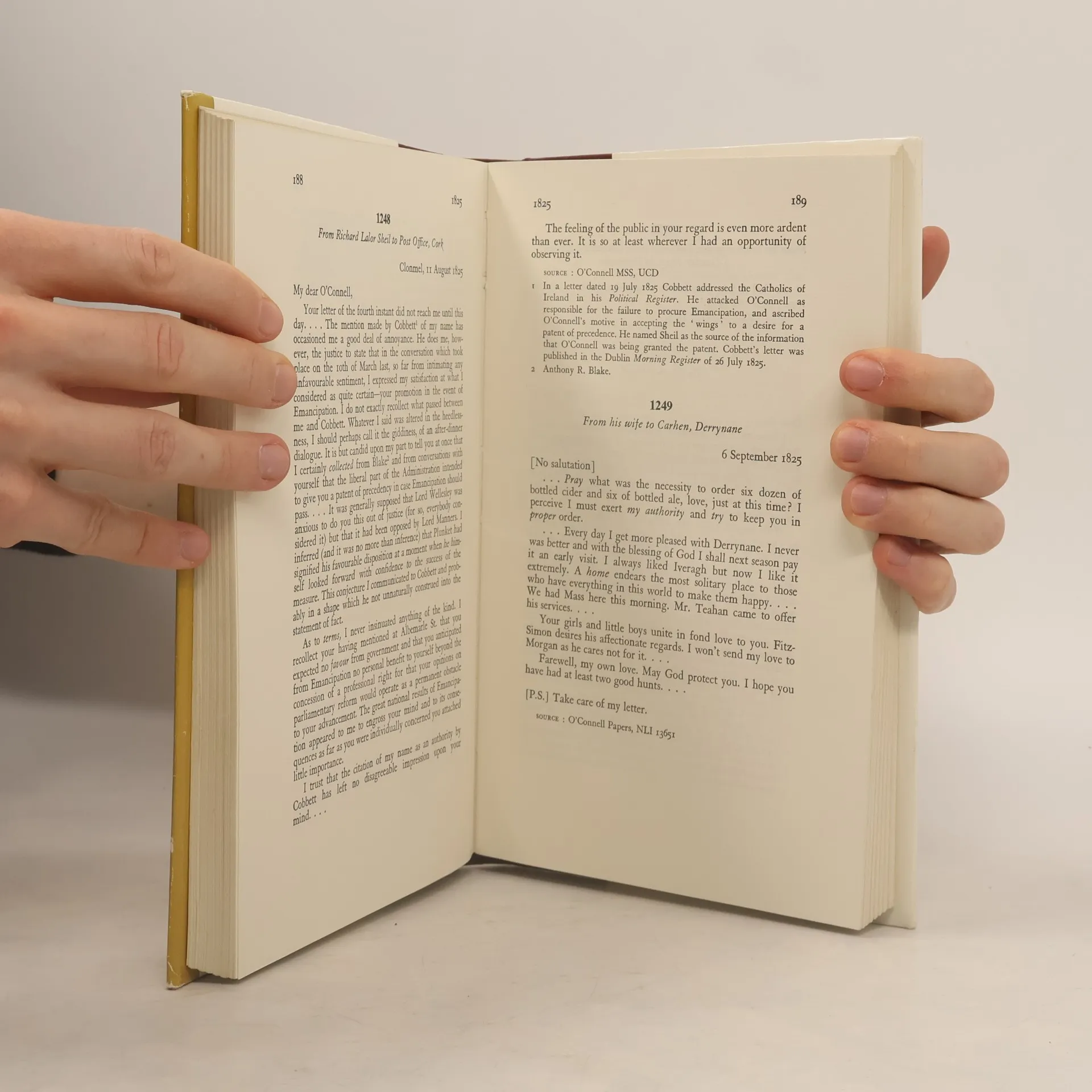
Daniel O'Connell, a pivotal figure in modern Irish history, was the first major European political leader in a Christian denomination to advocate for complete religious freedom and the separation of church and state, even calling for the abolition of the Pope's temporal power. He founded the Catholic Association, the first significant democratic political organization, which compelled the British Government to grant Catholic Emancipation. His penny-a-month scheme engaged the poor in politics and aimed to replace violence with moral force in a society plagued by misrule. O'Connell's interests extended beyond Irish issues to include the Great Reform Act, universal manhood suffrage, municipal reform, the anti-slavery movement, and the repeal of the Corn Laws. The Correspondence of Daniel O'Connell is crucial for understanding British and Irish history in the 19th century, particularly the letters exchanged with his wife, which provide unique insights into Irish social history. Volume III details the establishment of the Catholic Association in 1824, intertwining the O'Connell family's progress and financial struggles with election news. It highlights his election as M.P. for Clare in 1826 and concludes with the final stages of the fight for Catholic emancipation.
Buchkauf
The Correspondence of Daniel O'Connell, Volume III, Maurice R. O'Connell, Daniel O'Connell
- Sprache

- Erscheinungsdatum
- 1974
- Einband
- (Hardcover),
- Buchzustand
- Beschädigt
- Preis
- € 34,55
Keiner hat bisher bewertet.
- Titel
- The Correspondence of Daniel O'Connell, Volume III
- Untertitel
- 1824-1828
- Sprache
- Englisch
- Autor*innen
- Maurice R. O'Connell, Daniel O'Connell
- Erscheinungsdatum
- 1974
- Einband
- Hardcover
- Seitenzahl
- 441
- ISBN10
- 0716502046
- ISBN13
- 9780716502043
- Reihe
- Schlagwörter
- Beschreibung
- Daniel O'Connell, a pivotal figure in modern Irish history, was the first major European political leader in a Christian denomination to advocate for complete religious freedom and the separation of church and state, even calling for the abolition of the Pope's temporal power. He founded the Catholic Association, the first significant democratic political organization, which compelled the British Government to grant Catholic Emancipation. His penny-a-month scheme engaged the poor in politics and aimed to replace violence with moral force in a society plagued by misrule. O'Connell's interests extended beyond Irish issues to include the Great Reform Act, universal manhood suffrage, municipal reform, the anti-slavery movement, and the repeal of the Corn Laws. The Correspondence of Daniel O'Connell is crucial for understanding British and Irish history in the 19th century, particularly the letters exchanged with his wife, which provide unique insights into Irish social history. Volume III details the establishment of the Catholic Association in 1824, intertwining the O'Connell family's progress and financial struggles with election news. It highlights his election as M.P. for Clare in 1826 and concludes with the final stages of the fight for Catholic emancipation.