




Parameter
- 356 Seiten
- 13 Lesestunden
Mehr zum Buch
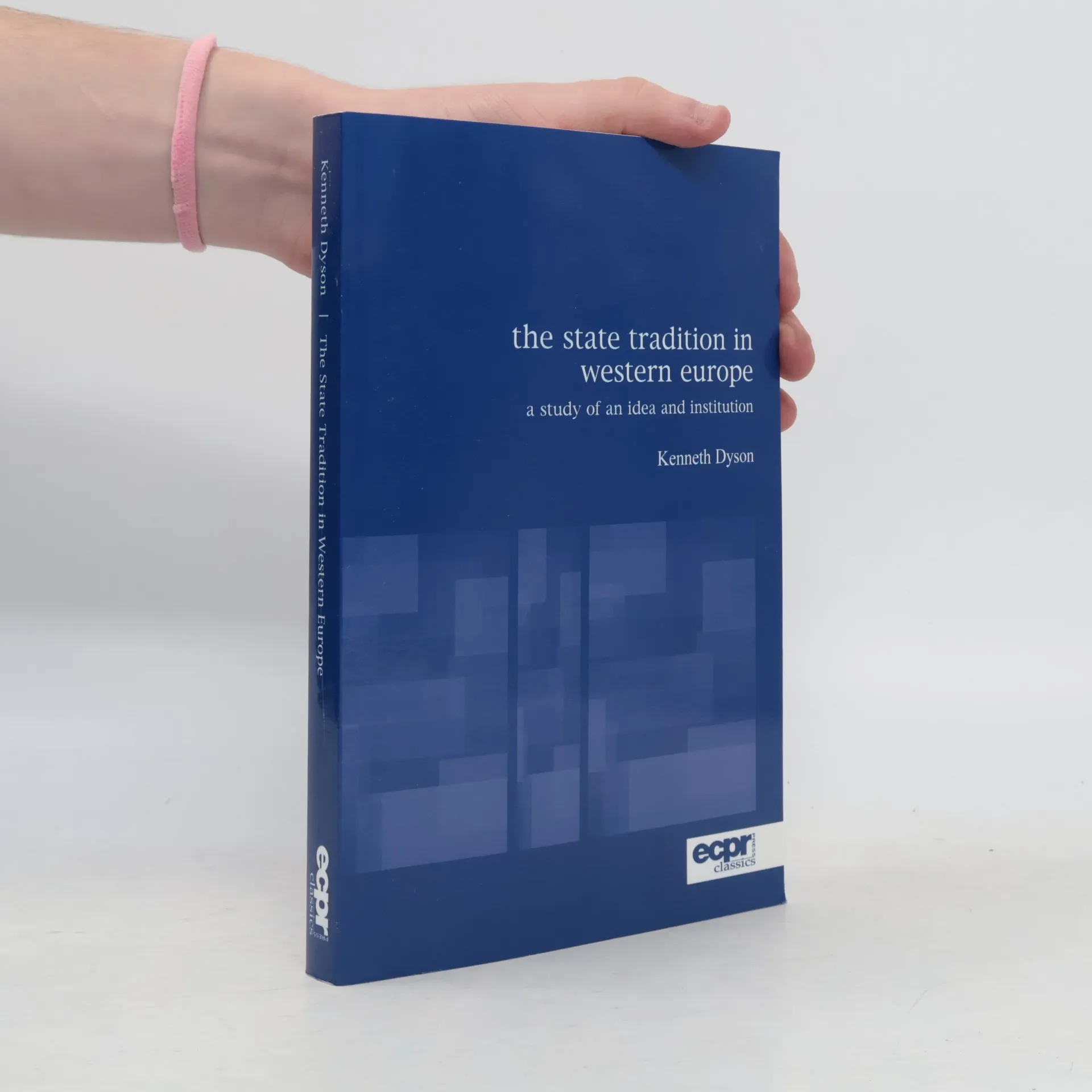
Why have continental European societies developed the idea of the abstract impersonal state as the fundamental institution of political rule? Why, on the other hand, has this idea played a relatively insignificant part in the history of English-speaking countries? It is to such questions that this major study is addressed. With clarity and conciseness, Kenneth Dyson examines the fascinating tapestry of thought about public authority that the state tradition represents, and identifies the major individual contributions to that tapestry. In addition to offering a clear conceptualisation of state, he deals with such key issues as the role of the intellectual, the social function of state theories, and the difficulties of accommodating state and democracy.
Buchkauf
Ecpr Classics: The State Tradition in Western Europe, Kenneth H. F. Dyson, Leshu Torchin, Dina Iordanova, William Brown, Jan Olsson
- Sprache

- Erscheinungsdatum
- 2009
- Einband
- (Paperback),
- Buchzustand
- Gebraucht - Sehr gut
- Preis
- € 21,39
Keiner hat bisher bewertet.
- Titel
- Ecpr Classics: The State Tradition in Western Europe
- Untertitel
- A Study of an Idea and Institution
- Sprache
- Englisch
- Autor*innen
- Kenneth H. F. Dyson, Leshu Torchin, Dina Iordanova, William Brown, Jan Olsson
- Verlag
- ECPR Press
- Erscheinungsdatum
- 2009
- Einband
- Paperback
- Seitenzahl
- 356
- ISBN10
- 0955820359
- ISBN13
- 9780955820359
- Reihe
- Kategorien
- Schlagwörter
- Historisches Thema, Politik, Europa, Geschichte Europas, Politische Theorien, Westeuropa, Globalisierung
- Beschreibung
- Why have continental European societies developed the idea of the abstract impersonal state as the fundamental institution of political rule? Why, on the other hand, has this idea played a relatively insignificant part in the history of English-speaking countries? It is to such questions that this major study is addressed. With clarity and conciseness, Kenneth Dyson examines the fascinating tapestry of thought about public authority that the state tradition represents, and identifies the major individual contributions to that tapestry. In addition to offering a clear conceptualisation of state, he deals with such key issues as the role of the intellectual, the social function of state theories, and the difficulties of accommodating state and democracy.