

Parameter
- 304 Seiten
- 11 Lesestunden
Mehr zum Buch
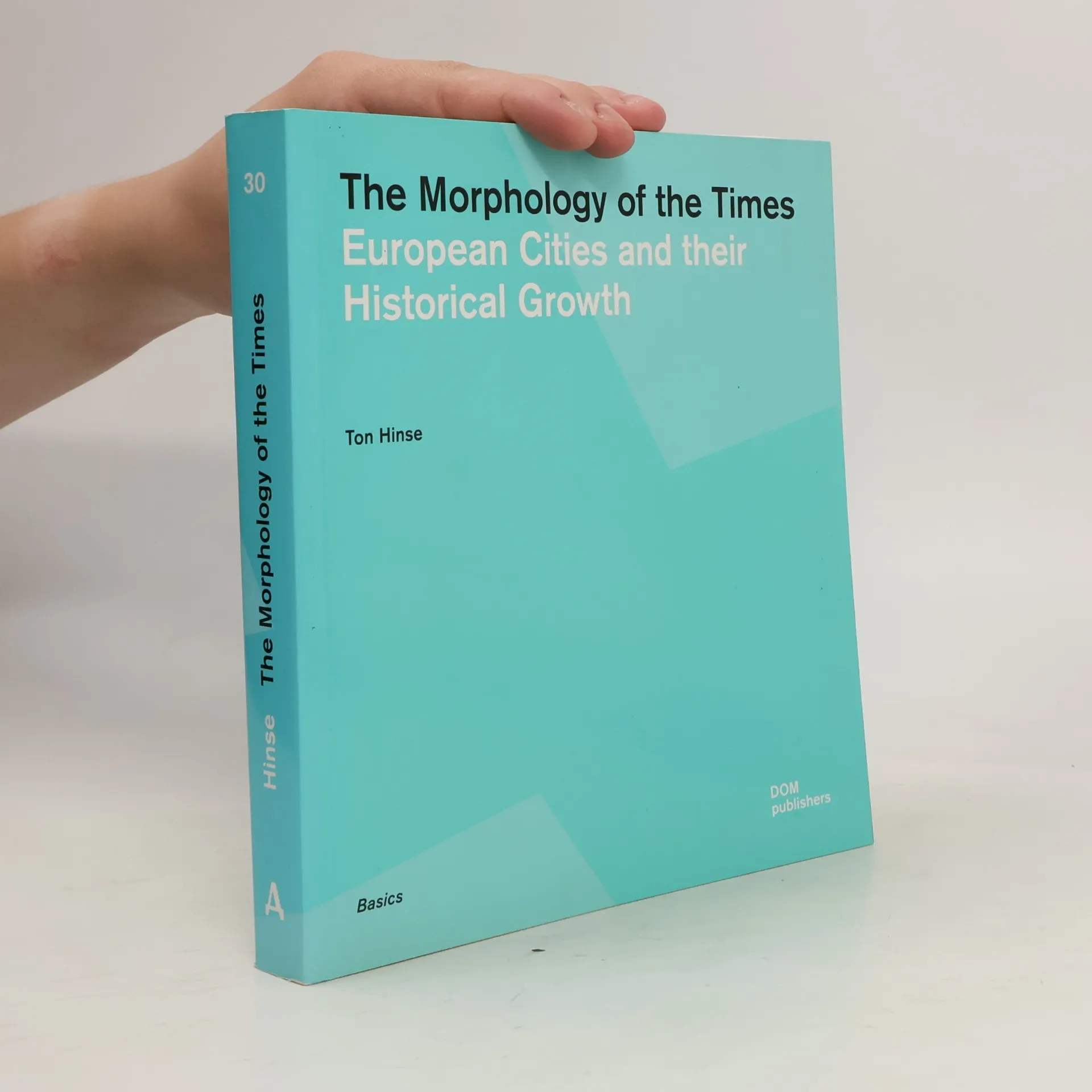
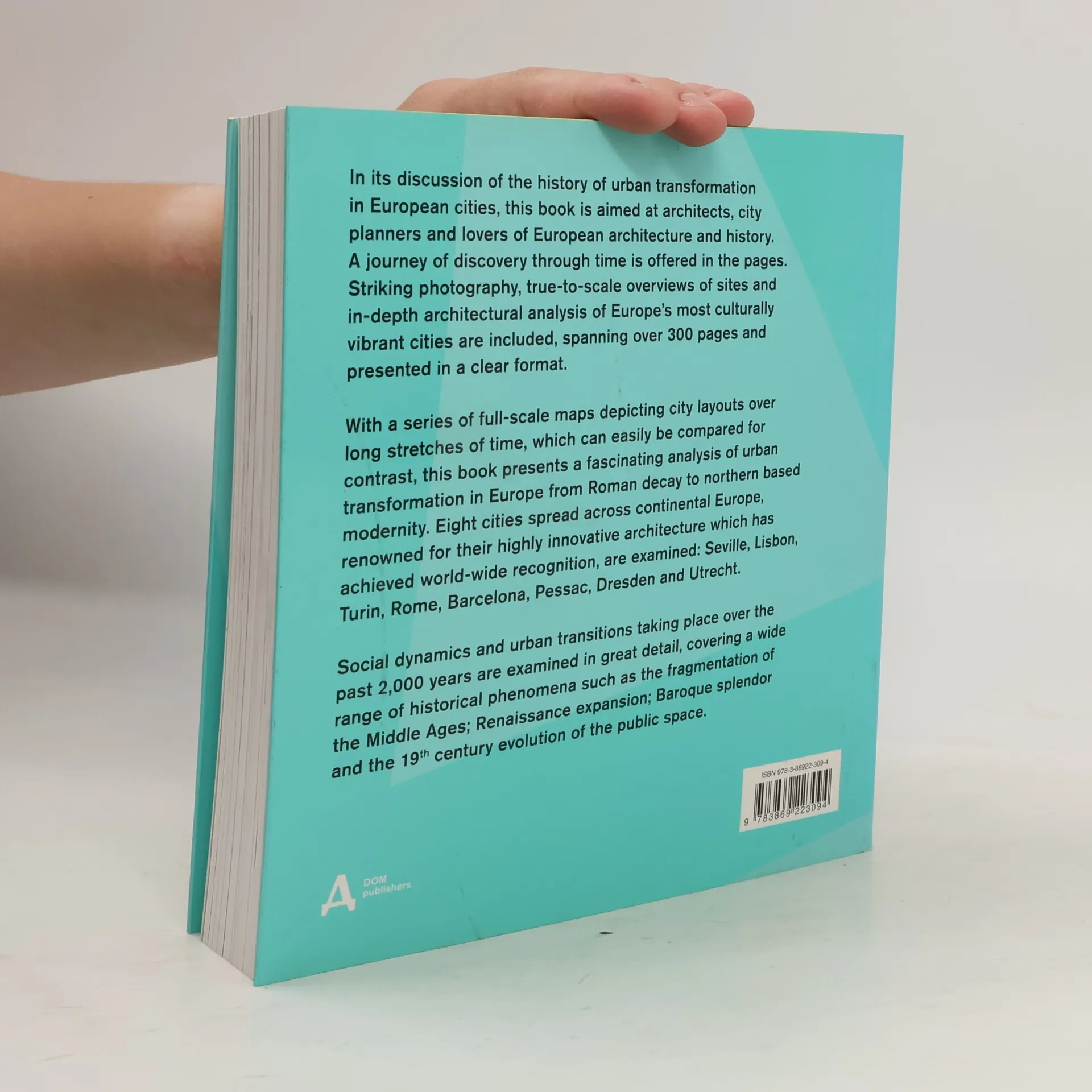
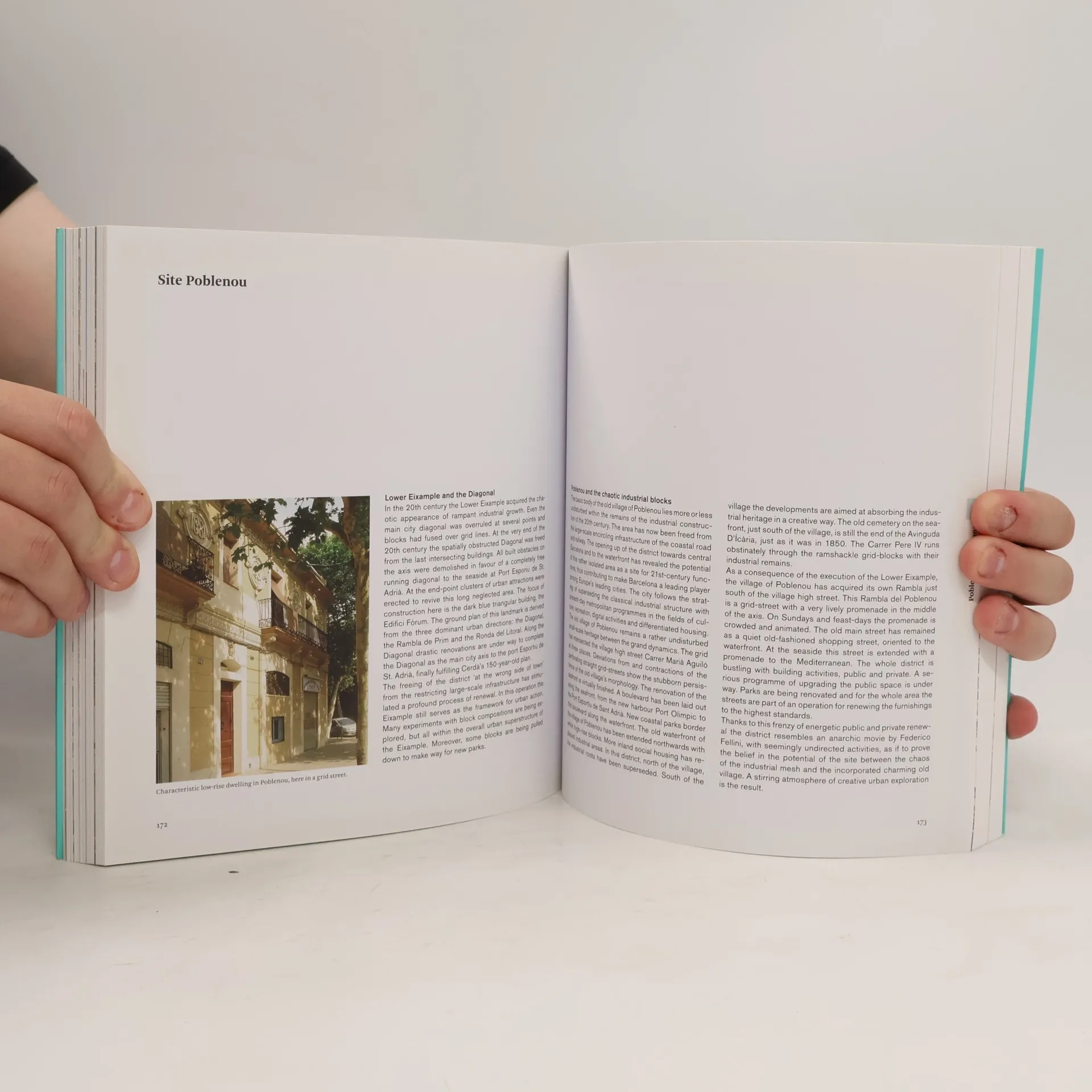
This book highlights radical urban transformation in eight cities spread across continental Europe. The point of departure, and the foundation of European urbanisation, is the Roman colonial town. In every case social dynamics guided the urban transitions in a traceable way, such that it has been possible to deduce the intellectual underpinnings of the contemporary built environments, as featured in these pages. Differing contexts of time and place show the overarching march of European history and related themes at the urban level. Fundamental changes are brought to light. Each story demonstrates a separate and fundamental transition, ranging from earlier collective configurations to the more institutionalised structures of later periods.
Buchkauf
The Morphology of the Times, Ton Hinse
- Sprache

- Erscheinungsdatum
- 2014
- Einband
- (Paperback),
- Buchzustand
- Gebraucht - Sehr gut
- Preis
- € 29,89
Keiner hat bisher bewertet.
- Titel
- The Morphology of the Times
- Untertitel
- European Cities and their Historical Growth
- Sprache
- Englisch
- Autor*innen
- Ton Hinse
- Verlag
- Dom Publishers
- Erscheinungsdatum
- 2014
- Einband
- Paperback
- Seitenzahl
- 304
- ISBN10
- 386922309X
- ISBN13
- 9783869223094
- Reihe
- Kategorien
- Schlagwörter
- Historisches Thema, Kunst, Architektur, Europa, Politische Theorien, Städte, Zivilrecht, Urbanismus, Urbanisierung, Geschichte der Architektur
- Beschreibung
- This book highlights radical urban transformation in eight cities spread across continental Europe. The point of departure, and the foundation of European urbanisation, is the Roman colonial town. In every case social dynamics guided the urban transitions in a traceable way, such that it has been possible to deduce the intellectual underpinnings of the contemporary built environments, as featured in these pages. Differing contexts of time and place show the overarching march of European history and related themes at the urban level. Fundamental changes are brought to light. Each story demonstrates a separate and fundamental transition, ranging from earlier collective configurations to the more institutionalised structures of later periods.